
-
 Proin malesuada ligula et arcu tincidunt bibendum
Qty: 1$400.00
Proin malesuada ligula et arcu tincidunt bibendum
Qty: 1$400.00
-
Proin malesuada ligula et arcu tincidunt bibendum
Qty: 1$400.00
Can Dogs Eat Spaghetti: Pasta Instead Of Rice, Macaroni And Cheese
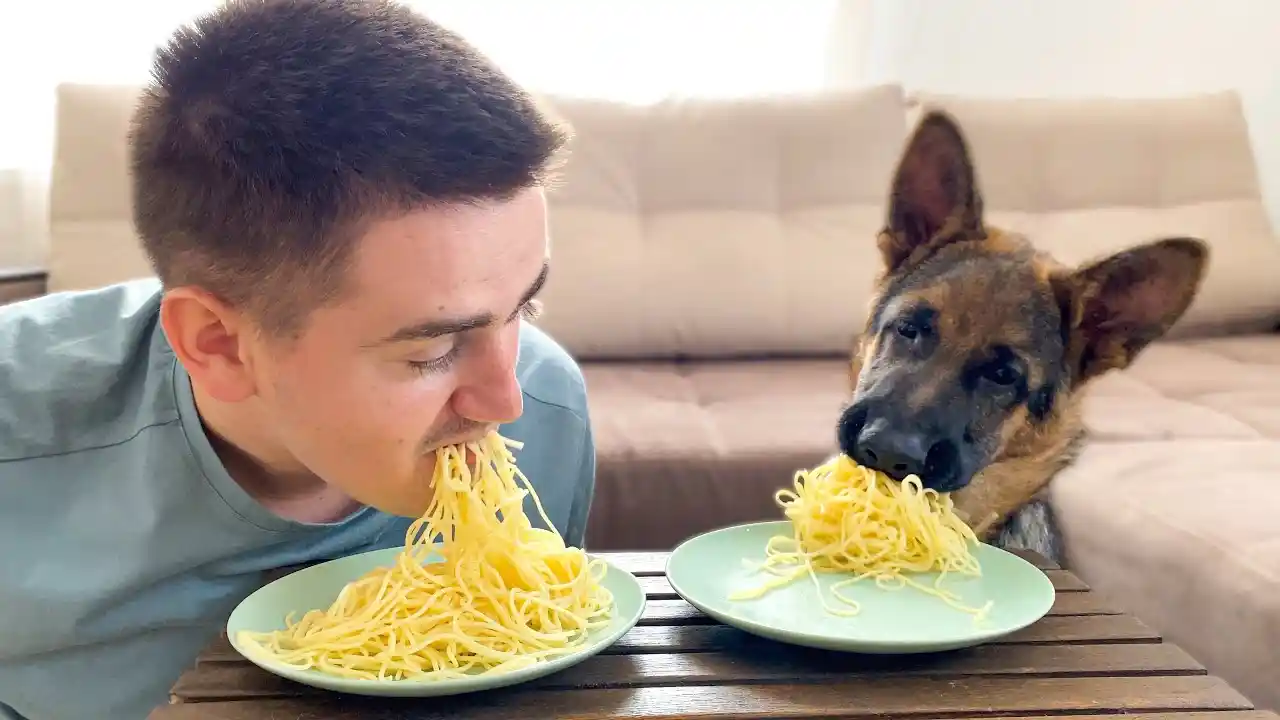
I know that feeling when your dog gives you the “puppy eyes” while you are eating a big bowl of pasta. You want to share your meal, but you are worried about their health. Feeding your dog the wrong ingredient can lead to a simple stomach ache or a dangerous medical crisis. I have designed this guide to give you a clear, vet-backed answer so you can make the right choice for your pet.

Key Takeaways
- Plain cooked pasta is safe as a treat, but offers very little nutrition.
- Tomato sauces are often toxic due to garlic and onion.
- High fat meatballs can cause pancreatitis in sensitive breeds.
- Raw pasta is a dangerous choking hazard.
- Spaghetti squash is the best healthy alternative.
Table of Contents
Can Dogs Eat Spaghetti
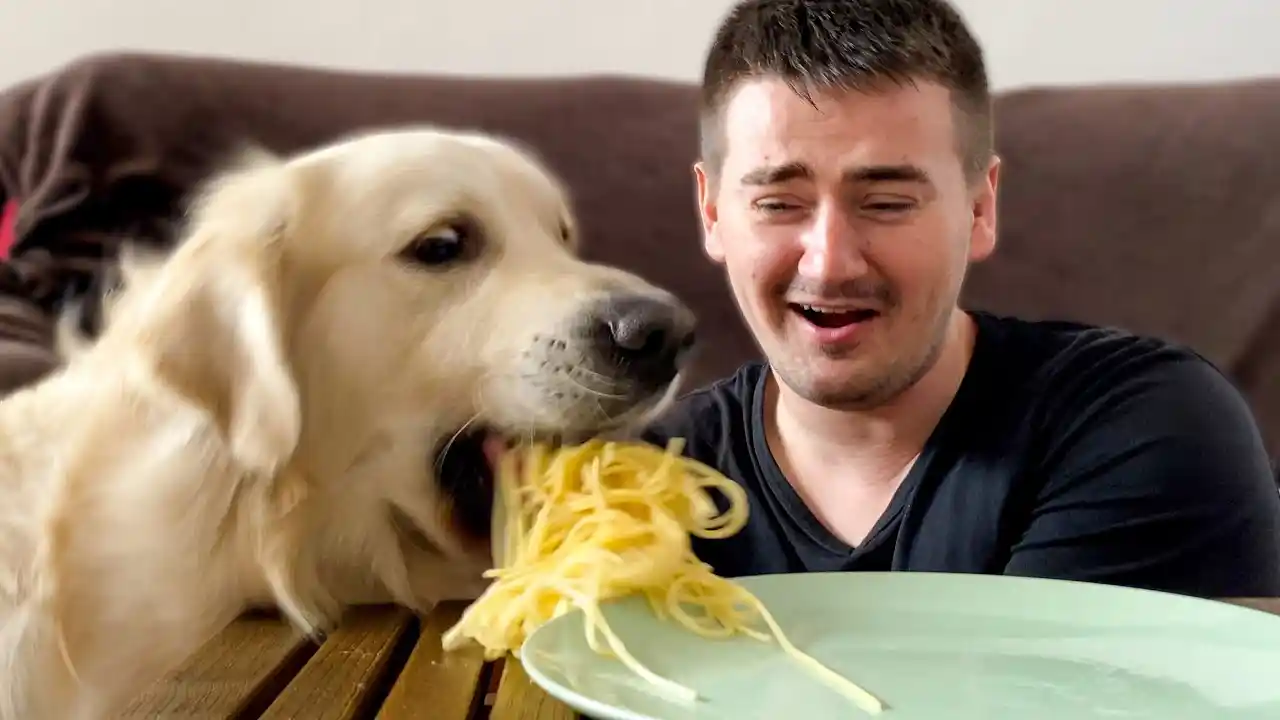
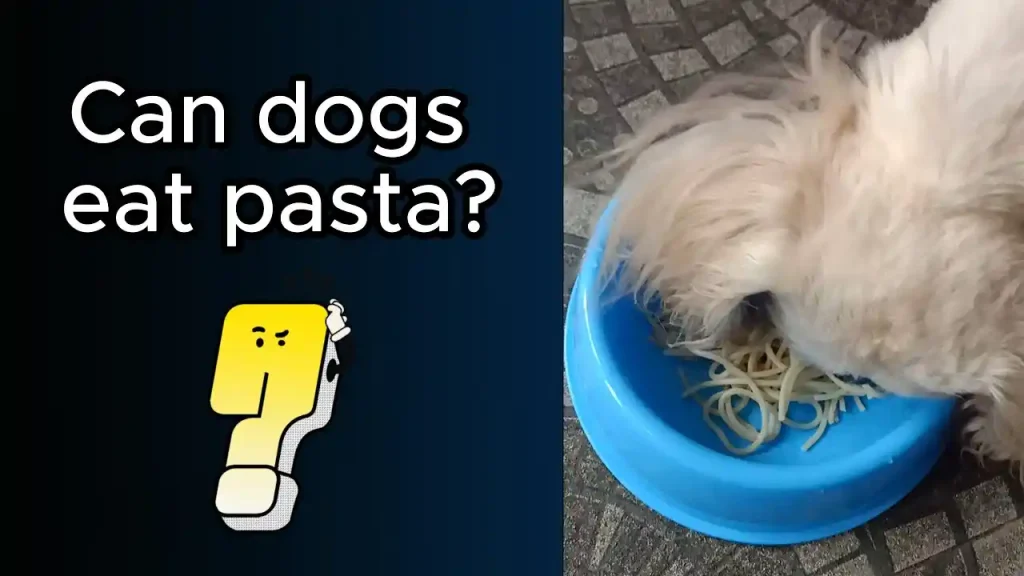
I can tell you right away that dogs can eat plain, cooked spaghetti. In its most basic form, pasta is just flour and water. It is not toxic to canines. If your dog sneaks a few plain noodles, you do not need to panic.
From a nutritional perspective, spaghetti is almost entirely carbohydrates. While my dog can process these for energy, they do not provide the proteins or vitamins a dog needs to thrive. I always view pasta as a “filler” rather than a food.
Here is the thing: the danger is rarely the noodle itself. The danger is what we put on the noodle. Salt, butter, and oils can irritate the stomach, but the real threats are the hidden ingredients in commercial sauces.
Can Dogs Eat Noodles?
I suggest being careful with the type of noodle you serve. Wheat noodles are common and usually safe. Egg noodles are also fine, provided your dog is not allergic to eggs.
You must check the labels on specialty noodles. Some “flavored” pastas contain onion powder or garlic salt. These are hidden dangers that can cause red blood cell damage.
There is also a physical risk. Long strands of spaghetti can be a choking hazard for small breeds. I always recommend cutting the noodles into small pieces before serving. This makes them easier to swallow and digest.


Is Spaghetti Bad For Dogs?
I do not believe plain spaghetti is “bad” in small amounts, but it can be harmful depending on the dog. The biggest issue is the carbohydrate load.
Too much pasta leads to obesity. I have seen many dogs struggle with joint pain and diabetes because their owners fed them too many human starches. If your dog is already overweight, I recommend avoiding pasta entirely.
Some dogs also struggle with gluten. This can cause gas, bloating, or loose stools. For a dog with a sensitive stomach, the heavy starch in wheat pasta is often too much to handle.
Can Dogs Eat Spaghetti And Meatballs?
I strongly advise against feeding your dog spaghetti and meatballs. The meatballs are usually where the danger hides.
Most meatballs contain garlic and onion. These ingredients contain compounds that cause oxidative damage to a dog’s red blood cells. This can lead to Heinz body anemia, which is a serious condition.
Furthermore, meatballs are packed with fat. High fat meals can trigger pancreatitis. This is a painful inflammation of the pancreas that often requires hospitalization.
So what does this look like in practice? A tiny piece of meatball might be fine, but a whole meatball can cause severe vomiting and abdominal pain.
Can Dogs Eat Raw Spaghetti?
I would never feed a dog raw spaghetti. Uncooked pasta is hard and can be sharp when it snaps.
Raw pasta is a major choking hazard. Moreover, raw starch is nearly impossible for a dog to digest. If a dog eats a large amount of raw pasta, it can expand in the stomach or create a blockage in the intestines.
If your dog eats raw noodles, watch for unproductive retching or a hard abdomen. If you see these, get to a vet immediately.
Can Dogs Eat Pasta With Tomato Sauce?
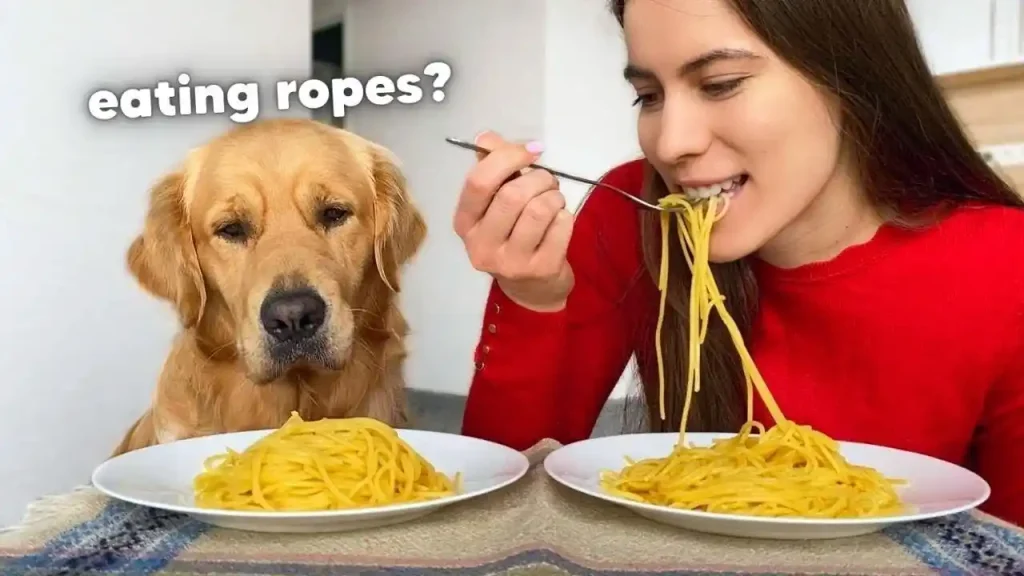
I recommend keeping tomato sauce away from your dog. While a plain tomato is safe, a sauce is a chemical minefield for pets.
The main culprits are garlic and onions. These are toxic regardless of whether they are fresh, dried, or in powder form.
Tomato sauce is also very acidic. This acidity can irritate the stomach lining and cause acid reflux.
Many commercial sauces also contain high levels of sodium and sugar. This is especially dangerous for dogs with kidney issues or diabetes.
Can Dogs Eat Spaghetti With Meat Sauce?
Meat sauce is even riskier than plain tomato sauce. It combines allium toxicity with high fat.
The fat from beef or pork increases the risk of pancreatitis. This is a critical concern for breeds like Miniature Schnauzers, who are genetically prone to this issue.
Hidden spices like nutmeg or excessive black pepper can also cause irritation. Let me explain: when you mix acid, toxins, and fat, you create a recipe for digestive failure.
Can Dogs Eat Macaroni And Cheese?
I do not recommend macaroni and cheese. The pasta is fine, but the cheese sauce is problematic.
Most dogs are lactose intolerant. The dairy in the cheese can cause diarrhea, gas, and intense stomach cramping.
Processed cheese sauces are often full of artificial flavors and sodium phosphates. These put unnecessary strain on a dog’s kidneys.
Table 1: Mac and Cheese Risk Analysis
| Ingredient | Risk Level | Potential Effect |
|---|---|---|
| Wheat Pasta | Low | Bloating/Gas |
| Dairy/Cheese | Medium | Diarrhea/Lactose Intolerance |
| Sodium | High | Dehydration/Kidney Strain |
| Artificial Color | Low | Allergic Reaction |
Can Dogs Eat Pasta Salad?
I consider pasta salad to be one of the most dangerous pasta dishes. It usually contains a mix of ingredients that dogs should never eat.
Mayonnaise is high in fat and often contains sugar. Most pasta salads also include diced onions or garlic.
There is also a risk of bacteria. Pasta salads are often left out at room temperature, allowing Salmonella to grow. Because the ingredients are mixed, you cannot simply remove the toxic parts.
What Happens If My Dog Ate Spaghetti?
If your dog ate a few plain noodles, you can probably relax. Just keep an eye on them.
If the pasta had sauce or meatballs, you must act. I suggest following this emergency protocol:
- Identify Ingredients: Did it have garlic, onion, or Xylitol?
- Estimate Volume: How much did they eat relative to their size?
- Check Symptoms: Are they vomiting or lethargic?
- Call the Vet: Provide the ingredient list and the dog’s weight.
Table 2: Symptom Timeline for Pasta Ingestion
| Timeframe | Potential Symptom | Likely Cause |
|---|---|---|
| 2 to 6 Hours | Vomiting/Diarrhea | Fat or Lactose |
| 12 to 24 Hours | Lethargy/Pale Gums | Allium Toxicity |
| 2 to 5 Days | Dark Urine | Red Blood Cell Breakdown |
How Much Spaghetti Can Dogs Eat?
I follow the 10 percent rule: treats should never make up more than 10 percent of a dog’s daily calories.
Table 3: Safe Plain Pasta Portions
| Dog Weight | Max Serving (Cooked) | Frequency |
|---|---|---|
| 2 to 20 lbs | 1 Tablespoon | Occasional |
| 21 to 50 lbs | 2 Tablespoons | Occasional |
| 51 to 90 lbs | 1/4 Cup | Occasional |
| 91+ lbs | 1/2 Cup | Occasional |
Can You Feed Dogs Pasta Instead Of Rice?
I believe rice is almost always the better choice. Rice is easier to digest and has a much lower risk of causing allergies.
Table 4: Pasta vs. Rice Comparison
| Feature | Plain Pasta | Plain White Rice | Winner |
|---|---|---|---|
| Digestibility | Moderate | High | Rice |
| Allergen Risk | Higher (Gluten) | Very Low | Rice |
| Blood Sugar Spike | High | High | Tie |
If you are treating an upset stomach, I recommend a bland diet: 75 percent boiled white rice and 25 percent boiled chicken breast.
How To Tell If Your Dog Is Having An Allergic Reaction To Pasta?
Some dogs are sensitive to gluten. I have seen dogs develop skin issues after eating wheat-based treats.
Watch for these red flags:
- Excessive itching or paw licking.
- Hives or red skin.
- Chronic ear infections.
- Recurrent diarrhea.
If you see these, stop all wheat products. I suggest asking your vet about a hypoallergenic diet.
What To Feed Your Dog Instead Of Pasta
I recommend choosing nutrient dense options over empty carbs.
Sweet potatoes are a great choice. They provide beta carotene and fiber. Just make sure they are cooked and plain.
Selling Point: To ensure your pet is getting the right balance of nutrients, explore our vet approved dog nutrition guides and premium balanced meal options to help owners choose safer everyday feeding solutions.
Shop Pet Accessories Trusted by Real Pet Owners Everywhere.
Can Dogs Eat Spaghetti Squash?
I love spaghetti squash for dogs. It looks like pasta but is actually a vegetable.
It is low in calories and high in vitamins A and C. It is naturally gluten free and easy on the stomach.
Table 5: Wheat Pasta vs. Spaghetti Squash
| Metric | Wheat Pasta | Spaghetti Squash |
|---|---|---|
| Calories | High | Very Low |
| Nutrient Density | Low | High |
| Gluten-Free | No | Yes |
Consensus and Authoritative Fact-Check
I have cross-referenced this guide with veterinary standards to ensure accuracy.
Table 6: The Pasta Fact-Check
| Common Belief | Veterinary Fact | Consensus Source |
|---|---|---|
| “A little garlic is okay” | False. Even small amounts can cause anemia. | ASPCA / Pet Poison Helpline |
| “Whole wheat is safer” | Mixed. Better fiber, but same gluten risk. | Veterinary Nutritionists |
| “Pasta is a good carb” | False. It is a filler, not a nutrient source. | AKC Guidelines |
Frequently Asked Questions About Can Dogs Eat Spaghetti
Can Dogs Eat Spaghetti Without Getting Sick?
Yes, most dogs can eat plain, cooked spaghetti without issue. However, those with wheat allergies or sensitive stomachs may experience gas or loose stools.
How Much Spaghetti is Too Much For Dogs?
Any amount that exceeds 10 percent of their daily calories is too much. This can lead to weight gain and nutrient imbalances.