
Can Dogs Eat Pork Why Some Dogs Not Eat Nutritional Benefits
You are standing in your kitchen with a succulent piece of pork, and those puppy-dog eyes are fixed on you, but behind that gaze lies a hidden danger that could lead to a costly emergency vet visit. While pork is a dense source of protein, feeding the wrong cut—or a piece seasoned with toxic aromatics like garlic or onion—can trigger acute pancreatitis or life-threatening intestinal blockages from splintered bones. This guide provides the definitive safety framework you need to distinguish between a healthy protein boost and a dietary disaster for your dog.


Key Takeaways
- Plain and Lean: Only unseasoned, thoroughly cooked pork loin or tenderloin is safe for canine consumption.
- Bone Danger: Cooked pork bones are strictly forbidden because they splinter and can perforate the digestive tract.
- Pancreatitis Risk: High-fat pork cuts like bacon or belly can cause fatal inflammation of the pancreas in susceptible breeds.
Table of Contents
Can Dogs Eat Pork?
In my years of consulting on canine nutrition, I have seen that “can dogs eat pork” is one of the most misunderstood questions in pet care. The answer is yes, but with massive caveats. Plain, cooked pork is a highly digestible protein, often used as a “novel protein” for dogs with allergies to chicken. However, the pork we eat is rarely plain. It is usually cured, salted, or seasoned, making it dangerous for dogs.
The primary issue is the lipid content. Pork is naturally higher in fat than poultry. If your dog has a sensitive stomach, even a small piece of fatty pork can cause osmotic diarrhea. For healthy dogs, a small cube of unseasoned loin is fine, but it must never exceed ten percent of their daily caloric intake.
Is Raw Pork Bad For Dogs?
Raw pork poses a significant biological threat to your dog’s domestic environment. The most immediate risk is gastrointestinal upset, characterized by vomiting and lethargy. I have observed that dogs fed raw pork often develop soft stools due to the high fat and bacterial load found in uncooked swine meat.
Furthermore, there is a risk of cross-contamination. When you handle raw pork, pathogens like Salmonella can linger on your dog’s muzzle and transfer to your furniture or family members. If your dog accidentally consumes raw pork, you must monitor them for increased thirst or a fever, which could indicate a brewing infection.


Can Dogs Eat Raw Pork?
From a clinical standpoint, I strongly advise against feeding raw pork due to Trichinella spiralis. This parasite causes trichinosis, a condition where larvae migrate to the muscles, causing extreme pain and stiffness. While modern farming has reduced these risks, “pasture-raised” or wild hog meat is still a high-risk vector.
Standard veterinary consensus from organizations like the American Veterinary Medical Association (AVMA) suggests that the risks of raw feeding—including parasitic infection and bacterial shedding—outweigh the nutritional perks. Cooking pork to an internal temperature of 160 degrees Fahrenheit is the only way to guarantee these pathogens are destroyed.
The Pork Safety Branching Quiz
Start Here: Does the pork have any seasoning (salt, pepper, garlic)?
- Yes: Stop. Do not feed. Salt and garlic are toxic.
- No: Proceed to next question.
Question 2: Is it raw or cooked? - Raw: Stop. Risk of parasites. Cook it first.
- Cooked: Proceed to next question.
Question 3: Is there a bone or visible white fat? - Yes: Trim the fat and remove the bone before feeding.
- No: This is safe to feed in small amounts.
Can Dogs Have Pork Bones?
Cooked pork bones are a deadly hazard. Unlike raw bones, which are somewhat pliable, cooked bones undergo a chemical change that makes them glass-brittle. When a dog crunches down on a cooked rib bone, it splinters into razor-sharp shards.
These shards can lead to:
- Esophageal Tearing: Sharp edges cutting the throat.
- Stomach Perforation: Resulting in septic peritonitis, a life-threatening abdominal infection.
- Intestinal Blockage: Requiring thousands of dollars in emergency surgery.
If your dog swallows a bone, do not induce vomiting. Instead, feed them a piece of plain white bread or a tablespoon of canned pumpkin to “wrap” the bone, and call your vet immediately.
| Bone Type | Risk Level | Outcome if Swallowed |
|---|---|---|
| Cooked Rib | Extreme | Splintering/Perforation |
| Raw Neck Bone | High | Choking/Blockage |
| Cooked Chop Bone | Extreme | Internal Lacerations |
Can Dogs Eat Pork Chops?
A plain pork chop is a decent treat, but the fat cap must be removed. Most grocery store pork chops are “enhanced” with a sodium-rich brine. High sodium intake in dogs leads to excessive thirst and can stress the kidneys.
When sharing a chop, stick to the center-cut meat. Avoid any meat that has been “pan-seared” in butter or oil, as this adds unnecessary saturated fats that your dog’s digestive system isn’t equipped to handle.
Can Pork Cause Pancreatitis In Dogs?
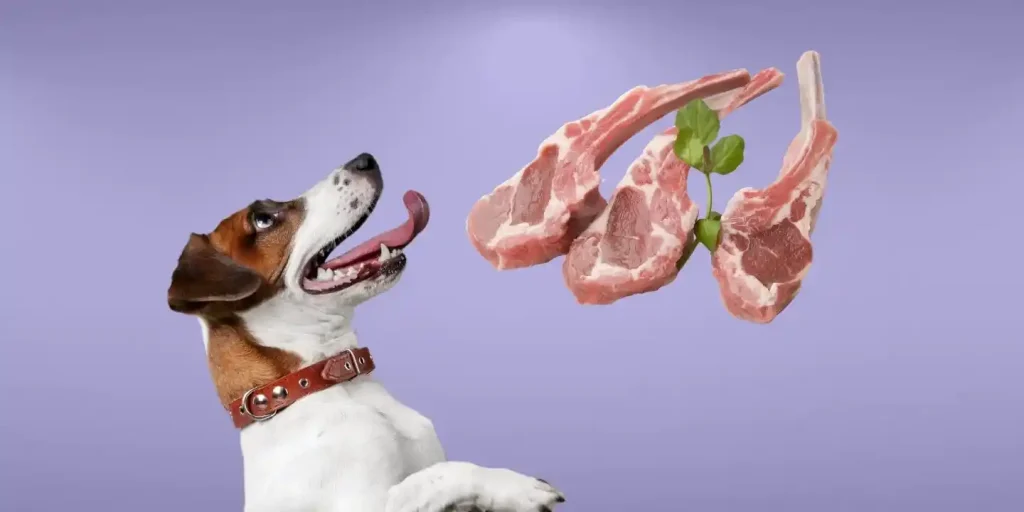
Pancreatitis is the inflammation of the pancreas, and it is often triggered by a “fat dump.” Because pork is marbled with fat, it is a leading cause of this condition. When the pancreas is overwhelmed by fat, it prematurely releases digestive enzymes, which begin to “eat” the organ itself.
Early Warning Signs:
- Hunched back (abdominal pain)
- Repeated vomiting
- Loss of appetite
- Yellow, greasy stools
| Breed Group | Pancreatitis Risk | Reason |
|---|---|---|
| Miniature Schnauzers | Very High | Genetic lipid metabolism issues |
| Cocker Spaniels | High | Predisposition to obesity |
| Poodles | Medium | Sensitive digestive tracts |
| Boxers | Medium | High incidence of GI upset |
What Happens If A Dog Eats Pork?
The outcome depends entirely on the quantity and prep. A small piece of plain loin usually results in no symptoms. However, if a dog raids the trash and eats a pork roast string or seasoned fat, you will likely see acute vomiting within 2 to 6 hours.
If the pork was seasoned with onion or garlic powder, the effects might not be visible for days. These ingredients cause Heinz Body Anemia, where the dog’s immune system destroys its own red blood cells. Watch for pale gums and extreme weakness.
Why Can Some Dogs Not Eat Pork?
Pork is considered a “heavy” meat. In my experience, dogs with IBD (Inflammatory Bowel Disease) often flare up after eating pork. Furthermore, some dogs have a specific protein allergy to swine. If your dog licks their paws incessantly or has “hot spots” after eating pork, they may be allergic.
Medical conditions like kidney disease also make pork a poor choice because it is relatively high in phosphorus. Always consult your vet before introducing pork if your dog is on a prescription diet.


What Nutritional Benefits Does Pork Offer Dogs?
When you strip away the fat and salt, pork is a nutritional powerhouse. It is rich in Thiamine (Vitamin B1), which is crucial for brain function and glucose metabolism. It also provides a complete profile of essential amino acids.
Statement: Pork is significantly higher in Thiamine than beef or chicken.
Statistic: According to USDA nutritional data, pork loin contains nearly 10 times the Thiamine found in lean beef.
Analysis: This makes pork an excellent supplement for working dogs or those recovering from illness who need a metabolic boost.
Expert Tip: For a safe way to give your dog the benefits of pork, try lean pork heart. It is a muscle meat, not an organ, and is packed with Taurine, which supports heart health.
How Much Pork Can A Dog Eat?
Moderation is key. Even “safe” pork is calorie-dense. A 20-pound dog only needs about 350-400 calories per day. A single ounce of cooked pork can be 50-70 calories, which is a huge chunk of their daily limit.
Safe Feeding Limits:
- Small Dogs (under 20 lbs): One 1/2 inch cube.
- Medium Dogs (21-50 lbs): Two 1 inch cubes.
- Large Dogs (over 50 lbs): Three to four 1 inch cubes.
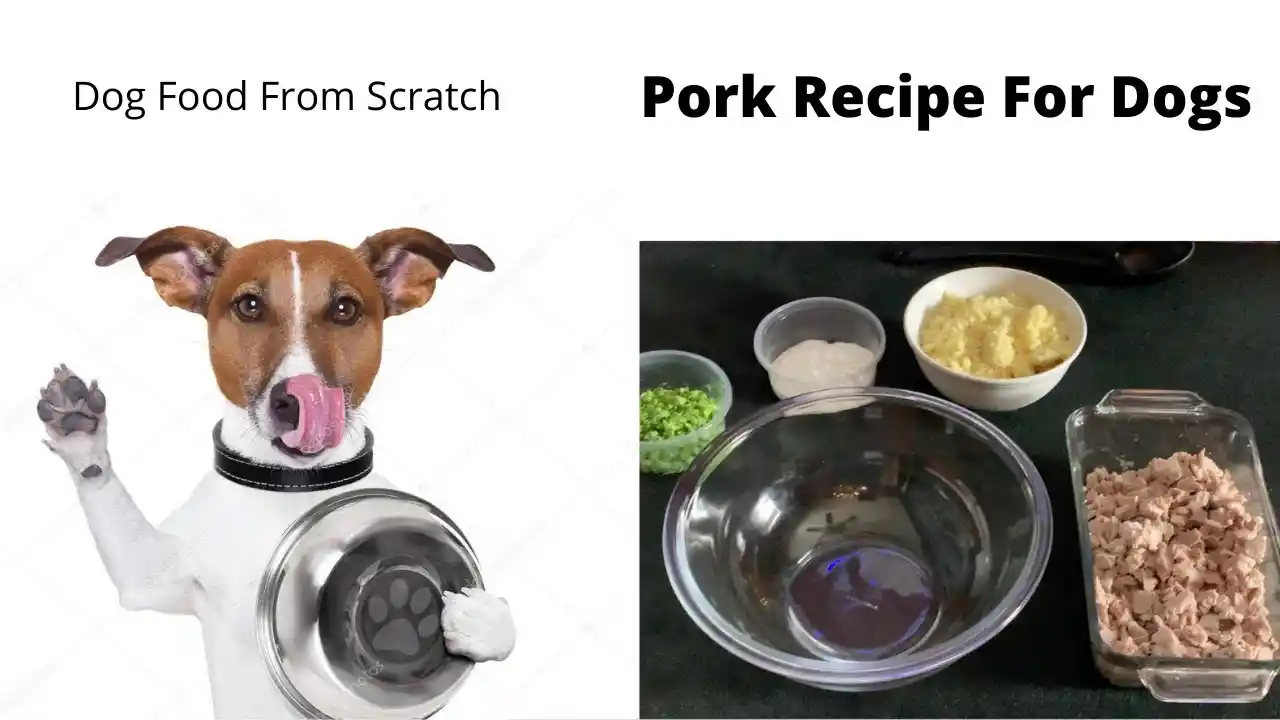
How Should I Cook Pork For My Dog?
The only safe way to cook pork for a dog is to remove the variables.
- Trim: Cut away all visible white fat and the bone.
- Boil or Bake: Do not use oil, butter, or spray.
- No Seasoning: No salt, no pepper, no herbs.
- Temperature: Ensure it reaches 160°F.
Can Dogs Eat Cooked Pork Safely?
Yes, provided it is unprocessed. This means no ham, no bacon, and no deli slices. These “cooked” meats are loaded with nitrates and nitrites, which have been linked to digestive cancers in animals. Stick to fresh pork loin that you have prepared yourself to ensure total quality control.
| Pork Product | Safe? | Why? |
|---|---|---|
| Plain Loin | Yes | Lean and high protein |
| Bacon | No | High salt/fat/nitrates |
| Ham | No | Excessive sodium |
| Sausage | No | Spices and fillers |
How Should Pork Be Introduced Into a Dog’s Diet?
Use the “Low and Slow” method. Start by mixing a tiny, pea-sized amount into their regular kibble. Wait 24 hours to see if their stool remains firm. If they experience flatulence or gurgling, their system may not handle the fat content of pork well.
Which Is Better for Dogs, Beef or Pork?
Both are “red” meats, but they have different profiles. Beef is typically higher in Zinc and Iron, while pork wins on Vitamin B content. I often recommend pork for dogs that are “bored” with beef, as the aroma of pork is highly palatable to picky eaters.
However, if your dog is prone to weight gain, lean beef (90/10) is often a safer daily choice than pork, which is harder to find in ultra-lean formats at the grocery store.
Shop Pet Accessories Trusted by Real Pet Owners Everywhere.



What Meat Should Dogs Not Eat?
While we focus on pork, you should also avoid:
- Processed Meats: Anything in a casing or pre-packaged sleeve.
- Fried Meats: The breading and oils are pancreatitis triggers.
- Old Meat: If it’s too old for you, it’s too old for the dog. Salmonella doesn’t care about a dog’s “strong stomach.”
Frequently Asked Questions About Can Dogs Eat Pork
Can Dogs Eat Pork Safely Without Getting Sick?
Yes, if it is lean and plain. Most sickness attributed to pork is actually a reaction to the high fat content or the spices (like garlic powder) used during human preparation.
Can Pork Cause Pancreatitis In Dogs And What Are The Warning Signs?
Yes, it is a primary trigger. Warning signs include lethargy, hunched posture, and persistent vomiting. If these occur, it is a medical emergency.