
Can Dogs Eat Squash: Is It Safe Toxic Raw Or Good Everyday
If I’m deciding whether to share squash with a dog, I keep it simple: plain, cooked squash is usually safe in small amounts, but raw chunks, skin, seeds, and seasoned recipes can cause problems. In this guide, I’ll walk through what I consider safe, what I avoid, and when I would stop home feeding and call a veterinarian.
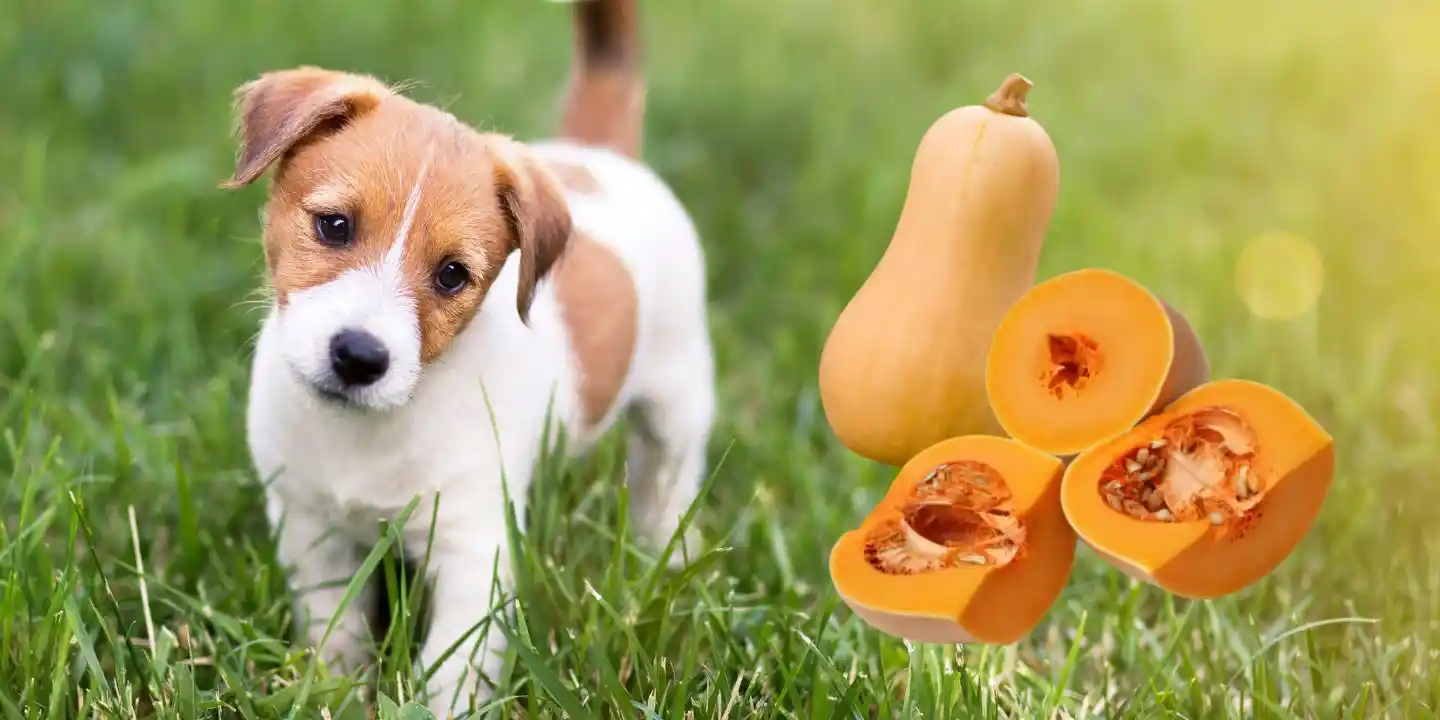

Key Takeaways
- Yes, dogs can eat squash if it is plain, soft, peeled when needed, and served in small amounts.
- Cooked squash is safer than raw squash because it is easier to chew and digest.
- Seeds, tough skin, butter, garlic, onion, salt, and spoiled squash are not safe choices.
- Squash is a topper, not a full meal or a cure for diarrhea.
- If a dog has ongoing vomiting, blood in stool, pain, or lethargy, I would call a vet instead of trying more squash.
Table of Contents
Can Dogs Eat Squash
Yes, dogs can eat squash. The safest form is plain, cooked squash flesh from common edible varieties like butternut, acorn, spaghetti, and chayote. I treat squash as an optional topper, not a staple, because too much fiber at once can trigger gas or loose stool.
The broad veterinary consensus is simple: the flesh is usually the safe part, while rind, seeds, seasoning, and large servings are where problems start. So what does this look like in practice? I serve a small amount mixed into regular food and watch how the dog responds over the next day.
| Squash Type | Safest Part | Best Form | Main Caution |
|---|---|---|---|
| Butternut | Peeled flesh | Steamed or baked | Skin and seeds |
| Acorn | Peeled flesh | Soft and mashed | Hard rind |
| Spaghetti | Soft strands | Plain cooked | Long stringy texture |
| Chayote | Flesh | Soft cooked cubes | Firm raw texture |
Is Squash Good For Dogs With Diarrhea?
It depends. A small amount of plain cooked squash may help mild diarrhea because soluble fiber can absorb water and help normalize stool. I think of it the same way I think of plain pumpkin: sometimes helpful, never a substitute for proper diagnosis.
Here’s the thing: diarrhea is where owners can overdo home care. If stool is only slightly soft and the dog is bright, drinking, and eating, a tiny amount of squash may be reasonable. If diarrhea lasts more than a day, involves a puppy, comes with vomiting, blood, weakness, belly pain, or refusal to eat, I would stop experimenting and call a vet.


Is Squash Safe For Dogs?
Yes, squash is usually safe for dogs when I prepare it correctly. Safety depends on portion size, texture, and what I remove before serving. The edible flesh is the goal. Tough rind, large seeds, oily toppings, and spices are the risk.
| Safe Prep Choice | Why I Use It | Avoid This |
|---|---|---|
| Steamed peeled cubes | Soft and digestible | Raw hard chunks |
| Baked plain flesh | No added fat | Butter or oil |
| Mashed plain squash | Easy to mix in food | Garlic or onion |
| Cooled small pieces | Lower burn and choke risk | Moldy leftovers |
Common Mistakes To Avoid
- Serving squash with butter, salt, garlic, onion, or spice blends
- Leaving the skin or seeds in
- Offering a large first portion
- Using squash pie mix instead of plain squash
- Feeding old or moldy leftovers
What To Look For
- Soft texture
- Plain preparation
- Peeled flesh when the skin is tough
- Small pieces the dog can chew
- Normal stool over the next 24 hours
Is Squash Toxic To Dogs?
No, most common edible squash varieties are not toxic to dogs. Plain squash flesh is generally considered non-toxic. The real danger is usually not the squash itself, but how it is served.
Fact-check: Non-toxic does not mean risk-free. Squash can still become harmful if it is spoiled, moldy, heavily seasoned, cooked with onion or garlic, or served in pieces that are too hard or too large. Sweet dessert-style squash dishes can also contain sugar, fat, dairy, and other ingredients I would not feed to a dog.
Is Squash Good For Dogs Every Day?
Usually no, at least not in large amounts. Some dogs tolerate a tiny amount of plain squash daily, but I would not make it an everyday habit unless I had a good reason and knew it fit the dog’s full diet.
Too much fiber can cause gas, bloating, or loose stool. Let me explain. A food can be healthy and still be the wrong amount. If I am introducing squash, I start small, watch stool quality, and rotate it with other dog-safe toppers instead of relying on it every day.

Is Squash Good For Dogs Everyday?
Sometimes, but only as a small extra. I keep squash in the “treats and toppers” category. A common veterinary rule of thumb is to keep treats and extras to about 10% of daily calories. That matters because even healthy add-ons can dilute a complete diet if they take up too much bowl space.
So what does this look like in practice? I use squash in rotation with other safe add-ons, not as a permanent filler.
| Dog Size | First Try | Regular Topper Limit | My Practical Rule |
|---|---|---|---|
| Toy/Small | 1 small bite | Teaspoon-sized | Mix into food |
| Medium | 2 small bites | Small spoonful | Watch stool |
| Large | 3 small bites | One to two spoonfuls | Still a topper |
A simple rotation I like is this: one day plain squash, another day no topper, another day a vet-approved alternative like plain pumpkin. That helps me avoid overfeeding fiber from one single source.
Can Dogs Eat Raw Squash?
I generally do not recommend raw squash. It is not usually toxic, but it is harder to chew, harder to digest, and more likely to become a choking problem, especially for small dogs or fast eaters.
Raw squash also has a tougher texture that can irritate the stomach or pass through poorly digested. If someone insists on offering it, I would only consider very small, thin pieces, but cooked squash is the safer and easier option by far.
Can Dogs Eat Cooked Squash?
Yes, cooked squash is the safest option. I prefer steaming or baking because the flesh softens without adding unnecessary fat or seasoning. I let it cool fully, peel it if the skin is tough, and serve it plain.
I do not add butter, oils, garlic, onion, salt, cream, or spice blends. I also avoid casseroles, pie fillings, and side dishes meant for people. Plain canned squash can work too, but only if it is 100% plain squash, not pie mix.
Branching Quiz: Should I Feed Squash Today?
- Is my dog vomiting, weak, or refusing food?
- Yes: I skip squash and call a vet.
- No: Go to question 2.
- Is the squash plain, peeled if needed, and seedless?
- No: I fix the preparation first.
- Yes: Go to question 3.
- Has my dog eaten squash before?
- No: I start with one small bite.
- Yes: Go to question 4.
- Is my dog on a prescription diet or managing a chronic health issue?
- Yes: I ask my vet before adding extras.
- No: A small serving is usually reasonable.
Can Dogs Eat Butternut Squash Seeds?
I would remove them. Butternut squash seeds are not the safest part to share because they can pose a choking risk and may be hard on digestion if swallowed whole.
Even if a dog chews well, the safest standard is simple: serve the soft flesh, skip the seeds. This matters even more for small dogs, greedy eaters, and dogs with a history of stomach sensitivity.
Can Dogs Eat Butternut Squash Skin?
I do not recommend it. Butternut squash skin is tough, fibrous, and harder to digest than the flesh. Even when cooked, it can still be chewy enough to cause gagging or intestinal irritation.
Peeling butternut squash improves both safety and digestibility. If I am feeding it to a dog, I want the easiest-to-handle version possible.
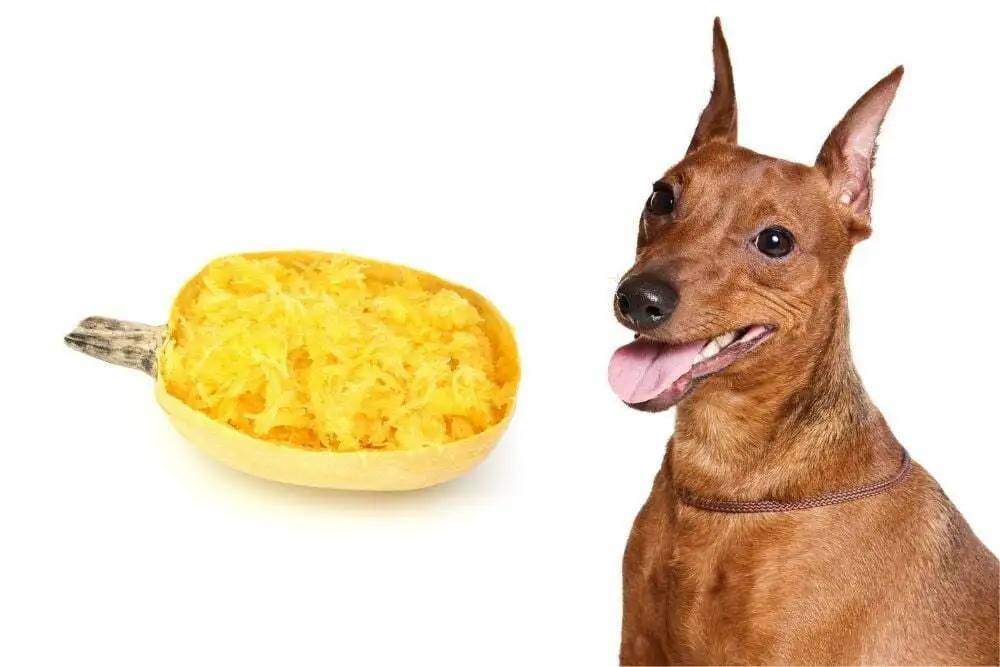
Can Dogs Eat Spaghetti Squash?
Yes, but I keep the portion small and the texture manageable. Spaghetti squash is safe when plain and cooked, but its long strands can be awkward for dogs to gulp.
I would cut or mash the strands so the dog does not inhale a slippery mouthful. Because the texture is stringy, I treat it more carefully than mashed butternut or acorn squash.
Can Dogs Eat Acorn Squash?
Yes, acorn squash can be a good option. It offers fiber, moisture, and useful nutrients, and it softens nicely when cooked. I like it best baked or steamed until the flesh is easy to mash.
The caution is the same as with other squash: remove the rind and seeds, keep it plain, and serve a small amount. Acorn squash can be slightly denser and sweeter, so I still keep it in moderation.
Can Dogs Eat Chayote Squash?
Yes, usually. Chayote is a less common squash, but the plain flesh is generally safe for dogs when cooked and served in small pieces. It is milder and less starchy than some winter squash varieties.
Because raw chayote can be firm, I prefer cooking it until soft. If there is a large seed or tough peel, I remove those before serving.
What Are The Health Benefits Of Squash For Dogs?
Squash can offer real benefits, but they are modest. I look at squash as a helpful add-on, not a miracle food. Its biggest strengths are fiber, water content, and antioxidants.
Fiber can support stool quality in some dogs. Water content can make meals feel a little bulkier. Antioxidants and vitamins, including vitamin C in some varieties, contribute to normal immune support. But that does not make squash a complete nutritional solution, and I would never let it replace a balanced dog food.
Buyer Beware: Squash is not a treatment for chronic digestive disease, allergies, or weight gain by itself. If a dog needs routine fiber management, I would ask a veterinarian whether squash is appropriate or whether another plan makes more sense.
Shop Pet Accessories Trusted by Real Pet Owners Everywhere.


Can Puppies Eat Squash?
Yes, puppies can eat squash, but I am more cautious with them. Puppy digestion is sensitive, and puppies need their regular food to deliver the nutrients required for growth. Because of that, I only use tiny amounts of plain cooked squash and only after the puppy is already doing well on its normal diet.
I would not use squash to “fill up” a puppy, and I would not try it for active diarrhea without speaking to a vet. Small supervised tastes are fine for many puppies, but slow introduction matters more here than with adults.
| After Feeding I Notice | What It May Mean | What I Do |
|---|---|---|
| Normal stool, normal energy | Tolerated well | Keep portion tiny |
| Gas or soft stool | Too much fiber | Reduce or stop |
| Vomiting or repeated diarrhea | Digestive upset | Stop and call vet |
| Lethargy, pain, blood, swelling | Urgent concern | Seek veterinary care |
Frequently Asked Questions About Can Dogs Eat Squash
Can Dogs Eat Squash Without Any Health Risks?
No food is completely risk-free. For most healthy dogs, plain cooked squash is low-risk when I keep it soft, seedless, plain, and limited to small portions. The risk goes up if the dog eats raw chunks, tough skin, spoiled squash, heavy seasoning, or too much fiber at once.
Dogs with pancreatitis, chronic digestive disease, diabetes, food allergies, or prescription diets deserve extra caution. In those cases, I would ask a veterinarian before making squash a routine extra.
What Are The Health Benefits Of Squash For Dogs?
The main benefits are fiber, moisture, and antioxidants. In practical terms, that means squash may help as a light topper, may support stool quality in some mild cases, and can add variety without much richness if served plain.
The key is keeping expectations realistic. I use squash as a supportive extra, not as a cure, a supplement replacement, or a balanced meal.