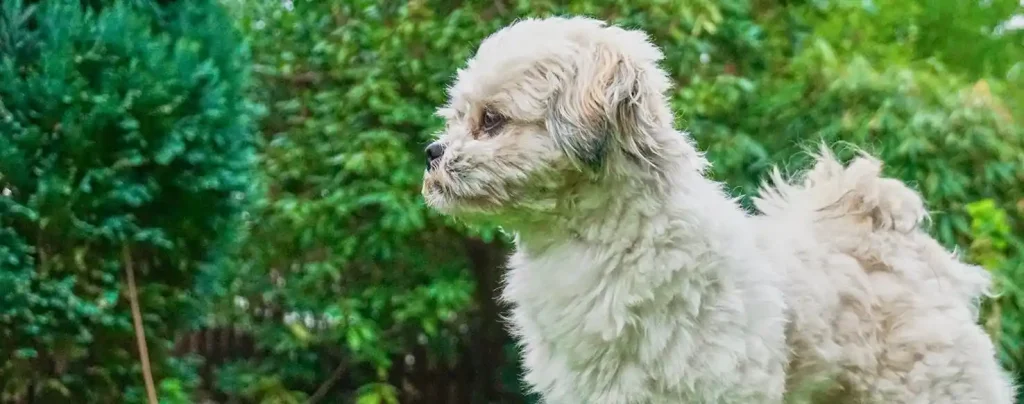
Can I Give My Dog Rice For Diarrhea And Vomiting?
Yes. White rice is one of the most effective remedies for both diarrhea and vomiting.
Rice is easily digested and low in fiber, which means the dog’s body does not have to work hard to process it. It acts as a binder in the gut, helping to firm up loose stools. When vomiting is also present, the blandness of the rice is less likely to trigger a gag reflex compared to rich dog foods.
It must be prepared properly to be effective. The rice should be boiled in water until it is very soft. Do not add butter, oil, salt, or spices. These additives can irritate the stomach further.
Comparison of Starch Options
| Starch Type | Digestibility | Fiber Content | Best Use Case |
| White Rice | High | Low | Severe diarrhea/vomiting. |
| Brown Rice | Medium | High | Not recommended for upset stomachs (too hard to digest). |
| Oatmeal | Medium | High | Mild diarrhea; adds soluble fiber. |
| Boiled Potato | High | Medium | Good alternative if allergic to grains (skin removed). |
| Sweet Potato | High | High | Good for firming stool but usually better after vomiting stops. |
How To Use Oatmeal For Mild Diarrhea In Dogs?
Yes. Oatmeal can be used to soothe mild digestive upset in dogs, especially for older dogs with slower digestion.
Oatmeal is high in soluble fiber, which helps regulate bowel movements and absorb excess water in the intestines. It is particularly useful if the dog has an allergy to rice or needs a grain alternative. However, it is higher in fiber than white rice, so it should be used for mild cases rather than severe, watery diarrhea.
Preparation Instructions:
Use plain, unflavored oatmeal (not instant packets with sugar).
Cook the oatmeal with water only.
Allow it to cool to room temperature.
Offer a small tablespoon mixed with warm water initially.
Is Pumpkin Safe To Treat My Dog’s Diarrhea?
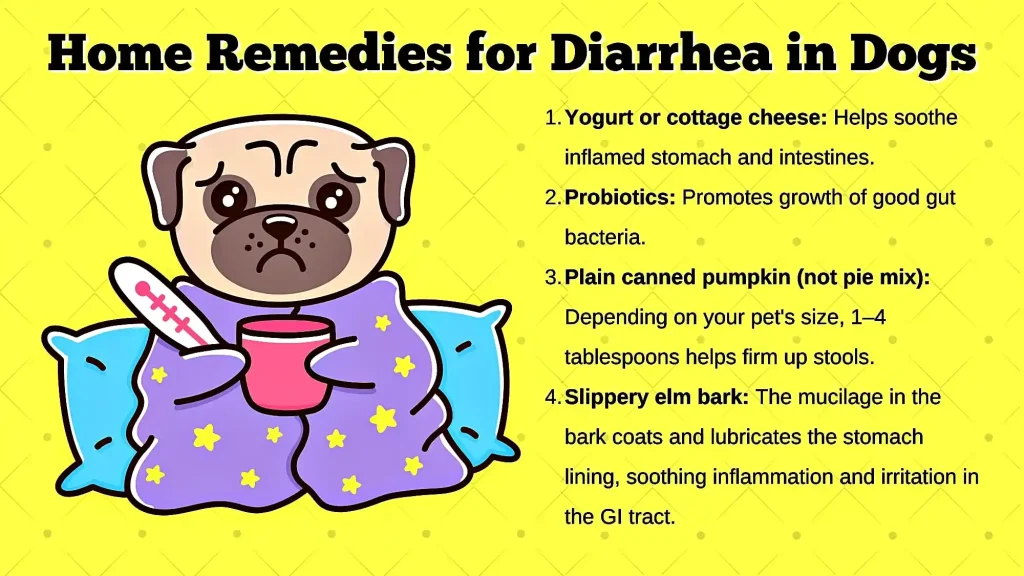
Yes. Plain pumpkin is safe and highly effective for treating dog diarrhea.
Pumpkin is a “superfood” for digestion because it contains a high amount of soluble fiber. This fiber absorbs water in the gut, which helps to bulk up and firm the stool. Interestingly, pumpkin can also help with constipation, making it a regulatory food for the digestive system.
It is critical to use the correct type of pumpkin. You must buy 100% pure canned pumpkin or cook fresh pumpkin yourself. Pumpkin pie filling is dangerous because it contains sugars and spices like nutmeg, which can be toxic to dogs.
Pumpkin Dosage Guide
| Dog Size | Weight (lbs) | Pumpkin Dosage (Per Meal) |
| Toy | Under 10 lbs | 1/2 teaspoon |
| Small | 10 – 25 lbs | 1 teaspoon |
| Medium | 25 – 50 lbs | 1 tablespoon |
| Large | 50 – 90 lbs | 2 tablespoons |
| Giant | 90+ lbs | 3 tablespoons |
Find Quality Pet Accessories Your Pets Will Love. Shop Now.
How Can Bone Broth Help With Dog Diarrhea?
Yes. Bone broth is an excellent remedy for maintaining hydration and soothing the gut.
When a dog has diarrhea, they lose fluids and electrolytes rapidly. Bone broth provides moisture along with vital nutrients like amino acids and minerals. It is also highly palatable, which encourages sick dogs to drink when they might otherwise refuse plain water.
The gelatin found in bone broth helps seal the gut lining, which can be beneficial if the diarrhea is caused by inflammation.
How to Prepare: Simmer beef or chicken bones in water for 12 to 24 hours. Apple cider vinegar can be added to help extract minerals from the bones. Ensure all bones are removed before serving, as cooked bones can splinter and cause internal damage. The broth should be cooled and the fat layer skimmed off the top, as fat exacerbates diarrhea.
Is Ginger Tea Safe For Dogs With Diarrhea?
Yes. Ginger tea is safe in small amounts and is known for its anti-nausea properties.
Ginger contains compounds like gingerol and shogaol, which help speed up stomach emptying and reduce gas. This can relieve the cramping and discomfort associated with diarrhea. It is most effective when the dog is experiencing nausea or vomiting alongside the diarrhea.
Preparation for Dogs:
Peel and slice a small piece of fresh ginger root.
Steep it in hot water for 10 to 15 minutes.
Remove the ginger slices.
Let the tea cool completely.
Mix a small amount (1-2 teaspoons) into their water or food.
Caution: Ginger can thin the blood slightly. It should not be given to dogs about to undergo surgery or those with clotting disorders.
How To Treat Dog Diarrhea With Probiotics And Plain Yogurt?
Probiotics are beneficial bacteria that help restore the natural balance of the gut microbiome.
Diarrhea often occurs when “bad” bacteria overrun the “good” bacteria in the intestine. Introducing probiotics helps crowd out the bad bacteria and aids in digestion. Plain yogurt is a common source of these bacteria, specifically Lactobacillus cultures.
Choosing the Right Yogurt:
It must be plain, unsweetened yogurt. Greek yogurt is often preferred because it has lower lactose levels. Xylitol, an artificial sweetener often found in “light” or “sugar-free” yogurts, is extremely toxic to dogs and can be fatal. Always check the label.
Probiotics vs. Yogurt Decision Matrix
| Feature | Veterinary Probiotic Powder | Plain Yogurt |
| Potency | High (Billions of CFUs) | Low to Medium |
| Added Ingredients | Usually None | Contains Lactose (Dairy) |
| Cost | Higher | Inexpensive |
| Best For | Severe or recurrent diarrhea | Mild upset or maintenance |
| Risk | Very Low | Moderate (Lactose intolerance) |
According to the National Institutes of Health (NIH), probiotics are effective in managing acute gastroenteritis
What Home Remedies Are Safe For Puppies With Diarrhea?
Puppies require gentler and more immediate attention than adult dogs.
Puppies have smaller glycogen reserves and can become hypoglycemic (low blood sugar) or dehydrated very quickly. Fasting a puppy for 24 hours is generally not recommended because of this risk. A shorter fast of 6 to 12 hours is usually safer, but a vet should be consulted first.
Puppy-Safe Options:
Diluted Chicken Broth: Low sodium and fat-free.
Baby Food: Plain meat baby food (chicken or turkey) ensures easy digestion. Check that no onion or garlic powder is included in the ingredients.
White Rice: Cooked extra soft/mushy.
If a puppy acts lethargic or has pale gums, home remedies should be abandoned immediately in favor of veterinary care.
What To Avoid When Treating Diarrhea In Dogs With Home Remedies?
Certain foods and treatments can make diarrhea significantly worse or cause toxicity.
It is vital to avoid anything high in fat. Fat is difficult for the digestive system to process and can trigger pancreatitis, a painful and serious inflammation of the pancreas. This includes butter, oil, fatty cuts of meat, and fried foods.
Dairy products should generally be avoided (except for small amounts of yogurt). Many dogs are lactose intolerant, and milk or cheese will increase gas and loose stools.
Strictly Avoid These Foods:
| Food Item | Why it is Harmful | Potential Consequence |
| Onions/Garlic | Contains thiosulfate | Anemia (Red blood cell damage) |
| Spices/Seasoning | Irritates stomach lining | Increased vomiting/pain |
| Fatty Meat | Hard to digest | Pancreatitis |
| Human Meds (Advil/Tylenol) | Toxic chemical compounds | Kidney/Liver failure |
| Chocolate | Contains theobromine | Heart issues/Seizures |
How Long Should I Try Home Remedies For My Dog’s Diarrhea?
Home remedies should generally be observed for no longer than 24 to 48 hours.
If the dog is alert, drinking water, and playing, it is usually safe to monitor them at home for a day or two. Improvement should be seen within the first 24 hours of starting a bland diet. The stool may not be perfectly solid, but it should be less frequent and have better consistency.
If the condition does not improve after 48 hours, the underlying cause may be more serious than dietary indiscretion. Parasites, bacterial infections, or metabolic diseases often require medical intervention beyond rice and chicken.
What To Do If Your Dog’s Diarrhea And Vomiting Persist?
If symptoms persist, the risk of dehydration becomes the primary concern.
You can perform a “skin tent” test to check for dehydration. Gently lift the skin on the back of the dog’s neck. If it snaps back into place immediately, they are hydrated. If it takes a few seconds or stays lifted, the dog is dehydrated and needs fluids.
Next Steps:
Stop feeding: Do not force food if vomiting continues.
Collect a sample: Bring a fresh stool sample to the vet for analysis.
Call the Vet: Schedule an appointment.
Persistent vomiting coupled with diarrhea is a classic sign of an obstruction (swallowed toy or sock) or parvovirus, both of which are emergencies.
Can I Use Slippery Elm Bark For My Dog’s Diarrhea?
Yes. Slippery elm bark is a natural herbal remedy often used for digestive issues.
It contains mucilage, a substance that becomes a gel when mixed with water. This gel coats and soothes the mouth, throat, stomach, and intestines. It acts as a demulcent, meaning it relieves irritation and inflammation in the mucous membranes.
How to Give It: It can be purchased as a powder or capsule. The powder is usually mixed with warm water to form a gruel or paste.
Dosage: A general guideline is 1/4 teaspoon of powder for every 10 pounds of body weight.
Timing: It should be given apart from other medications, as the coating effect can inhibit the absorption of other drugs.
Shop Pet Accessories Trusted by Real Pet Owners Everywhere.
What Should I Do If My Dog’s Diarrhea Has Blood?
Blood in the stool is a serious symptom that requires careful observation and usually veterinary attention.
There are two types of bloody stool:
Hematochezia: Bright red blood. This indicates bleeding in the lower digestive tract or colon. It can be caused by colitis, stress, or parasites.
Melena: Black, tarry stool. This indicates digested blood from the upper respiratory tract or stomach. This is often more serious and can point to internal bleeding or ulcers.
If there is a small streak of red blood but the dog is acting normal, it might be irritation. However, a large amount of blood or ongoing bleeding warrants an emergency visit.
What Causes Diarrhea In Dogs And How Can I Prevent It?
Diarrhea is a symptom, not a disease itself. Understanding the cause helps in prevention.
Common Causes:
Dietary Indiscretion: Eating garbage, spoiled food, or table scraps (“Garbage Gut”).
Parasites: Roundworms, hookworms, and Giardia are common culprits.
Stress: Boarding, moving, or changes in routine.
Infection: Viral or bacterial infections.
Prevention Tips:
Transition to new foods slowly over 7-10 days. Keep garbage cans secured. Maintain regular parasite prevention and deworming schedules. Avoid giving dogs rich, fatty human foods during holidays.
When Should I Take My Dog To The Vet For Diarrhea?
Knowing when to stop home treatment and drive to the clinic is essential for safety.
Symptom Triage Checklist
| Symptom | Action Required |
| One or two loose stools | Monitor at home; bland diet. |
| Vomiting + Diarrhea | Fast 12 hours; if persists, see Vet. |
| Black/Tarry Stool | Vet visit immediately. |
| Pale gums / Lethargy | Emergency Vet. |
| Possible toxin ingestion | Emergency Vet / Poison Control. |

 Ut eu lacus fringilla tempor tellus nec, consequat quam
Qty: 3$100.00
Ut eu lacus fringilla tempor tellus nec, consequat quam
Qty: 3$100.00 Senean a turpis fermentum, accumsan urna a
Qty: 1$115.00
Senean a turpis fermentum, accumsan urna a
Qty: 1$115.00