I get why this question comes up. Cilantro shows up in salads, rice bowls, and salsas, and it’s tempting to share. But if I guess wrong, I risk a night of vomiting, diarrhea, or an emergency call. In this guide, I’ll answer can dogs eat cilantro, what “safe” really means, how much is too much, what allergy signs look like, and what I do when a dog accidentally eats cilantro in a mixed dish.
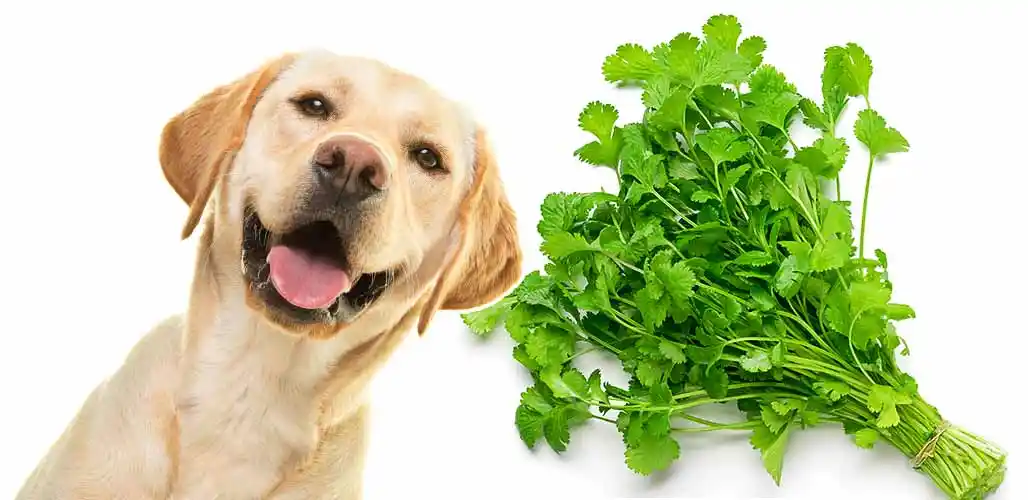
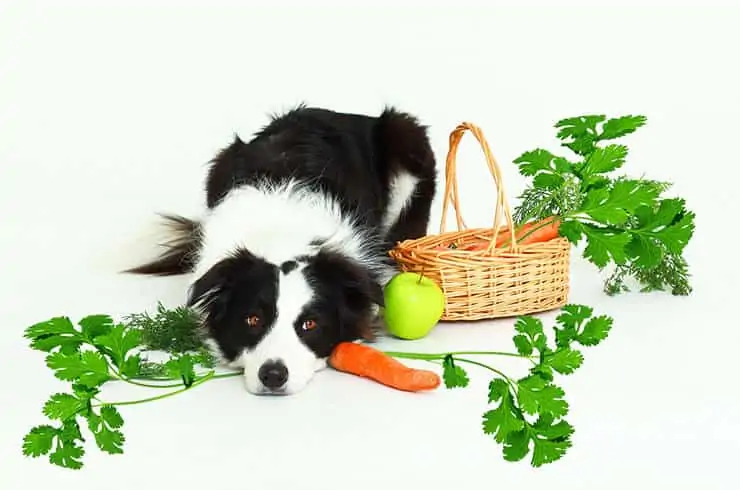
Yes. In general, dogs can eat cilantro when it’s plain, clean, and served in small amounts.
Here’s the thing: “safe” depends less on cilantro itself and more on portion size and what it’s served with. A pinch of chopped leaves on plain food is very different from cilantro inside a salty, buttery, onion-heavy recipe.
Consensus Snapshot (Plain-English): Most pet nutrition guidance treats cilantro as a non-toxic herb for dogs when served in moderation. It’s not an essential nutrient source, so I only use it if it agrees with my dog.
It depends. Cilantro is usually safe for healthy adult dogs, but “safe” in canine nutrition means three things to me:
If I compare cilantro to herbs that are commonly flagged as risky for pets, cilantro is not typically in the “avoid” category. The bigger issue is tolerance. Some dogs can eat a tiny amount with no problem, while others get loose stool from any new plant matter.
When I check with a veterinarian first:
Buyer Beware: If cilantro is part of a cooked recipe, I don’t assume it’s safe until I review the full ingredient list.
Sometimes, but modestly. I think of cilantro as a “nice-to-have” herb, not a health upgrade.
A balanced dog food should already be complete and formulated to meet nutrient needs. Cilantro can complement that with flavor and tiny nutrient contributions, but it should not become a “daily health strategy.”
So what does this look like in practice? If my dog enjoys cilantro and tolerates it, I’ll use it as a small topper. If my dog does not care for it, I don’t push it.
Cilantro contains vitamins and plant compounds that people often associate with wellness, including vitamins like A, C, and K plus small amounts of minerals.
But I keep expectations realistic. A dog would have to eat a lot of cilantro to get meaningful nutrition, and feeding a lot of herb is exactly what can cause stomach upset.
Fact-Check (What I Will Not Overclaim):
Potential benefits I’ve seen owners hope for include:
Reality check: cilantro won’t cure anything. If my dog has persistent bad breath, itching, or GI issues, I treat cilantro as irrelevant and focus on the underlying cause.
Yes, it’s possible. Any food can trigger a reaction in some dogs, even if it’s “safe” for most.
Food allergies and sensitivities can develop over time. Sometimes it’s an immune reaction (true allergy), and sometimes it’s simply poor tolerance (sensitivity). Either way, what matters to me is what I see after my dog eats it.
Signs I watch for after cilantro:
My slow-introduction method:
Important: If I see facial swelling, trouble breathing, or collapse, I treat it as an emergency.
It can help temporarily, but it’s not a fix. Cilantro’s smell and chlorophyll content may mask odor for a short time.
But bad breath in dogs is commonly tied to plaque, tartar, gum disease, or something medical. If I only chase breath with herbs, I might miss the real issue.
What I do instead (in order):
Expert Quote Placeholder: Dental topic, suggested expert type: veterinary dentist or general practice veterinarian.
Small amounts. I treat cilantro like a garnish, not a side dish.
Below is a conservative starting point I’m comfortable with for most healthy dogs. If my dog is tiny, elderly, or has GI issues, I start even smaller.
| Dog Size | Starting Amount (Leaves) | Max Frequency |
|---|---|---|
| Small | Small pinch, finely chopped | 1–2 times/week |
| Medium | Pinch to small sprinkle | 1–3 times/week |
| Large | Small sprinkle | 1–3 times/week |
Why I stay conservative: Too much leafy plant matter can cause gas, diarrhea, or vomiting. Also, if cilantro replaces real calories from balanced food, it reduces diet quality.
Common Mistakes I Avoid:
If I want truly personalized advice, I ask my veterinarian because medical history changes everything.
When I feed cilantro, I keep it simple. Safety is mostly about prep.
My safe-prep steps:
Leaves vs stems: I prefer leaves because they’re softer and easier to chew.
What To Look For (My Quick Inspection):
Value-Added Prompt Chat Link:
Selling Point: Download Our Free Dog Safe Foods Checklist To Make Smarter Feeding Decisions And Protect Your Pet From Hidden Kitchen Dangers.
| Prep Choice | Better Option | Why It Matters |
|---|---|---|
| Whole sprigs | Finely chopped leaves | Reduces choking and gulping |
| Seasoned herb mix | Plain cilantro only | Avoids hidden salt, onion, garlic |
| Cooked in oil | Raw, plain garnish | Lower fat, lower GI risk |
Image Suggestion: Chopped cilantro portion beside teaspoon for scale | Alt Text: chopped cilantro portion for dogs
Image Suggestion: Leaf vs stem close-up | Alt Text: cilantro leaves versus stems for dogs
Yes. Raw cilantro leaves are generally the simplest option because nothing extra is added.
For small dogs or seniors, I chop it very fine. Texture matters. If my dog tends to inhale food, I mix the chopped leaves into wet food so it’s harder to gulp.
Buyer Beware: Raw does not mean “clean.” I still wash it well.
Sometimes, but I avoid thick stems. Stems are fibrous and can be harder to digest. For small breeds, long stems can also be a choking risk.
If I use stems at all, I only use the thin, tender parts and chop them small. Otherwise, I discard them.
| Part Of Herb | My Recommendation | Reason |
|---|---|---|
| Leaves | Best choice | Soft, easy to chew |
| Thin stems | Small amounts, chopped | More fiber, still manageable |
| Thick stems | Skip | Harder to digest, choking risk |
It depends, and most versions are not ideal. The rice itself is usually the least concerning part. The risk comes from what’s mixed in.
I check for:
Here’s my simple audit table for common ingredients:
| Ingredient | Common In Recipe? | Dog Concern |
|---|---|---|
| Plain rice | Yes | Usually OK in small portions |
| Cilantro | Yes | Usually OK as garnish |
| Lime juice | Yes | Can irritate stomach |
| Onion/garlic | Often | Avoid, can be harmful |
If the rice is truly plain and only has a small amount of cilantro mixed in, I might offer a small bite. If it’s restaurant-style or strongly seasoned, I skip it.
Usually, in tiny amounts, but I’m cautious. Cilantro is the leaf. Coriander is typically the seed (and sometimes the ground spice).
A few coriander seeds or a dusting of ground coriander in plain food is often treated as low risk, but seasoning blends are where I see problems. They can include salt, garlic, onion powder, or other additives.
My rule: If it’s a single-ingredient spice and I use a tiny pinch, it’s probably fine. If it’s a blend, I don’t use it for my dog.
I keep it optional and I ask my vet first. Puppies have sensitive digestive systems and strict nutrition needs. Their diet should be complete and formulated for growth.
If I introduce any herb to a puppy, it’s only:
First, I stay calm. Cilantro alone is rarely the emergency. The real question is what else was eaten with it and how the dog looks right now.
What I do, step by step:
| What Happened | What I Do | Urgency |
|---|---|---|
| Tiny amount of plain leaves | Monitor stools and behavior | Low |
| Large amount of herb | Watch for vomiting/diarrhea | Medium |
| Mixed dish with onion/garlic | Call vet/poison line | High |
| Swelling, trouble breathing, collapse | Emergency clinic now | Emergency |
To me, it means cilantro is an optional, low-risk garnish when it’s plain and used in small amounts. It does not mean cilantro is a health treatment or something to feed daily.
It also means I need to evaluate the full context. If cilantro is inside a seasoned dish, I treat the dish as the risk, not the herb.
Yes, for most healthy adult dogs. Small amounts of plain cilantro leaves are generally tolerated, especially when introduced slowly.
If my dog has GI disease, is on a prescription diet, or has reacted to foods before, I ask my veterinarian before adding any new ingredient.