
Why Does My Dog Yawn When I Pet Him? Exploring Emotional Comfort
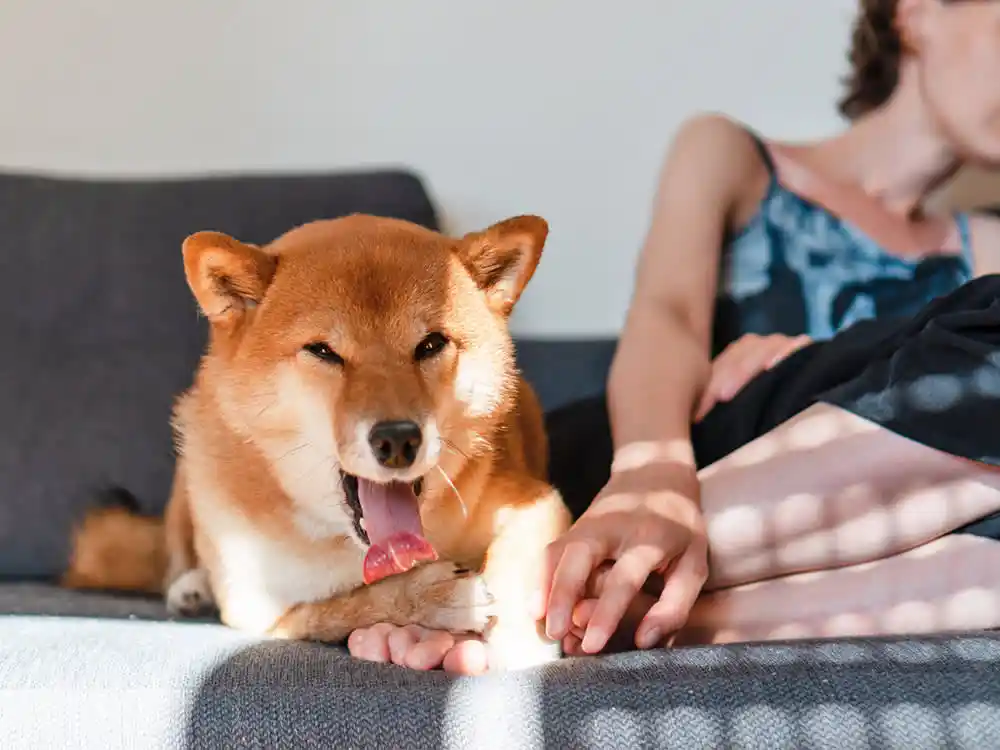
ou are sitting on the couch, stroking your dog’s fur, and he lets out a big, wide yawn. You might assume he is just tired or bored. However, canine communication is rarely that simple. Many owners find themselves asking, why does my dog yawn when I pet him, especially when he seemed wide awake moments ago?
Yawning is one of the most misunderstood signals in the dog world. While it can mean your dog is sleepy, it is often a complex emotional response to their environment. It serves as a window into how they are feeling about your touch and the current situation.
Understanding this behavior is crucial for building a stronger bond. A yawn can be a sign of supreme relaxation, or it can be a polite request for space.
In this guide, we will decode the secret language of the yawn. You will learn to spot the difference between a happy sigh and a stress signal so you can interact with your pet more effectively.

Key Takeaways
Context is King: A yawn can indicate stress, excitement, or pure relaxation depending on the situation.
Look for Clusters: Never judge a yawn in isolation; look at the ears, tail, and eyes.
The Stress Yawn: This is often a “calming signal” used to defuse tension during interaction.
The Happy Yawn: Accompanied by loose muscles, this signals a transition into a sleep state.
Petting Technique Matters: Rough petting often triggers stress yawns, while long strokes trigger sleep yawns.
Health Checks: Excessive yawning can sometimes indicate nausea or jaw pain.
Respect Boundaries: If your dog yawns while being hugged, it is usually a sign to let go.
Table of Contents
Why Does My Dog Yawn When I Pet Him?
It depends on the accompanying body language, but it is usually a mechanism to regulate arousal or stress.
Dogs do not only yawn when they are tired. In the context of physical interaction, yawning is a multi-purpose tool. When you are petting your dog, a yawn is a physiological response that helps them handle the energy of the moment.
If the session is calm and quiet, the yawn is likely a transition into rest. The soothing repetitive motion of petting lowers their heart rate. The yawn in this case acts like a deep breath, preparing the body for sleep.
However, if the environment is loud or the petting is vigorous, the yawn serves a different function. It acts as a release valve for tension.
Your dog might be feeling overwhelmed by the closeness. Yawning helps them cool down their brain and signal that they are not a threat. It is their way of saying they are trying to stay calm.
How Petting Influences A Dogs Yawning
The way you touch your dog directly dictates their reaction. Dogs are sensitive to pressure, speed, and location of touch.
Fast, rough petting tends to increase arousal. If you are vigorously scratching your dog’s flanks or thumping their side, their energy levels spike. A yawn here is an effort to manage that excitement. It is a biological attempt to stay grounded.
Conversely, slow and long strokes along the spine are soothing. This type of touch promotes the release of oxytocin, the bonding hormone.
Table 1: Impact of Petting Techniques on Yawning
| Petting Style | Likely Reaction | Type of Yawn | Meaning |
| Long, slow strokes | Relaxation | “Sleepy” Yawn | I am feeling safe and ready to nap. |
| Fast scratching | High Arousal | “Excitement” Yawn | I am riled up and trying to calm down. |
| Patting on head | Avoidance | “Appeasement” Yawn | I am uncomfortable, please stop. |
| Belly Rubs | Vulnerability | “Trust” Yawn | I am exposed but I trust you completely. |
| Hugging/Squeezing | Restriction | “Stress” Yawn | I feel trapped and need space. |


What Does It Mean When My Dog Yawns While I Pet Him?
It typically means your dog is communicating a change in emotional state, either from alert to relaxed, or from calm to anxious.
To understand the specific meaning, you must look at the “whole dog.” A yawn is never just a yawn. It is part of a sentence your dog is speaking with their body.
Signs of a “Good” Yawn:
Eyes: Soft or closing.
Ears: In a neutral or slightly back position (relaxed).
Muscles: The body feels loose and heavy against you.
Sound: Might be accompanied by a groan or sigh.
Signs of a “Stress” Yawn:
Eyes: Wide open, possibly showing the whites (whale eye).
Ears: Pinned tightly back against the head.
Muscles: Tense, rigid, or ready to move away.
Lips: Tightness at the corners of the mouth.
Research into canine behavior suggests that these signals are vital for social cohesion. According to studies on canine communication, dogs use these signals to prevent conflict before it starts.
Why Does My Dog Fake Yawn When I Pet Him?
No, dogs do not “fake” yawn in the deceptive sense, but they do yawn intentionally as a social signal.
When humans think of “faking,” we imply a lie. Dogs are not lying. They are using a voluntary behavior to send a specific message. This is often called a “displacement behavior” or an “appeasement signal.”
Imagine you are petting your dog, but you are leaning over them or staring directly into their eyes. This can feel intimidating to a dog.
Your dog might trigger a yawn to tell you, “I am not a threat, please don’t hurt me.” It is a polite way to ask you to back off without aggression.
Examples of this behavior include:
Yawning when you grab their collar.
Yawning when a child approaches them.
Yawning when you stop petting them (anticipation).
If you see this “fake” yawn, it is best to pause. Take your hands off for a moment. If your dog moves away, they needed space. If they nudge your hand, they want more affection.
Why Does My Dog Yawn When I Cuddle Him?
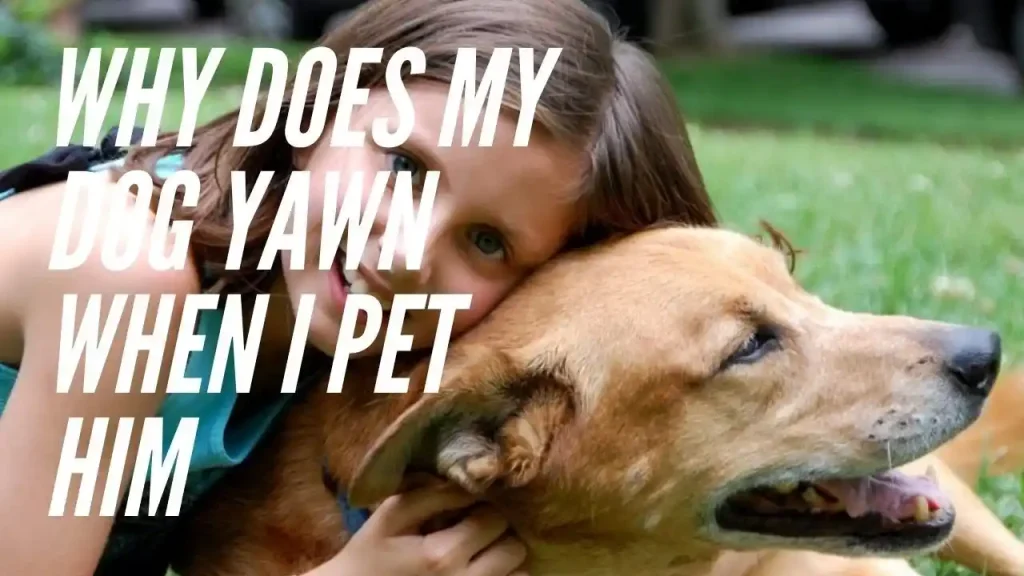
It is frequently a sign that the embrace is too tight or confining for the dog’s comfort level.
Humans love to hug. Primates express affection through grasping and holding. Dogs, however, are cursorial animals designed to run. Being held tight triggers a natural instinct that they are trapped.
Even the most loving dog may tolerate a hug while feeling stressed. The yawn is their subtle way of leaking that stress.
Is cuddling bad?
Not always. Many dogs learn to enjoy cuddling. However, you should watch for the “Stress Yawn” during a hug.
Table 2: Cuddling Contexts and Yawn Interpretations
| Scenario | Dog’s Body Language | Yawn Interpretation | Action Required |
| Tight Hug | Stiff body, head turned away | High Stress | Release the dog immediately. |
| Spoon/Leaning | Relaxed, weight on you | Comfort/Sleepiness | Continue, but monitor. |
| Face-to-Face | Licking lips, blinking hard | Anxiety/Appeasement | Back up, this is confrontational. |
| Lap Sitting | Heavy breathing, sprawling | Relaxation | Enjoy the bonding time. |
| Restraint | Trying to wiggle free | Panic | Let go to prevent a bite or fear. |
If your dog yawns immediately when you wrap your arms around him, try a different form of affection. Lean against him gently instead of encircling him.

Why Does My Dog Yawn When I Talk To Him?
It is often a reaction to the tone of your voice or confusion about what you want from him.
Dogs are experts at reading tone, but human language is complex. If you are speaking to your dog in a high-pitched “baby voice” while petting him, the excitement level might be too high.
The yawn helps them process the auditory stimulation. It can also happen during training sessions. If you are giving a command and the dog does not understand, he might yawn.
This is a sign of mental effort. He is trying to figure out what you want. It is similar to a human scratching their head when confused.
Auditory Triggers for Yawning:
Stern Tone: Yawning to appease you if you sound angry.
Excited Tone: Yawning to calm themselves down.
Confusing Commands: Yawning due to mental pressure.
What Does Yawning Mean In Dogs?
Yawning is a versatile signal that can mean anything from “I’m tired” to “I’m stressed” or “I’m bored.”
To navigate this, you must rely on context. Behavioral experts often refer to “Calming Signals.” This term, popularized by behaviorists, describes a set of actions dogs use to maintain peace.
Yawning is one of the most common calming signals.
Key meanings in different scenarios:
The Boredom Yawn: Occurs when nothing is happening. Usually followed by sleep.
The Anticipation Yawn: Occurs right before a walk or feeding time. This manages excitement.
The Conflict Yawn: Occurs when scolding or during a tense standoff with another dog.
Why Dogs Sometimes Yawn In Front Of You
This is often a direct communication effort. If your dog walks up to you, makes eye contact, and yawns, he is trying to tell you something.
Seeking Reassurance: He might be feeling anxious about something in the room (thunder, a vacuum cleaner) and is looking to you for safety.
Asking for Space: If you are crowding him, he might yawn in your face to ask you to back up.
Mirroring: He might just be comfortable and mirroring your energy.
Can A Dog’s Yawn Be A Form Of Communication?
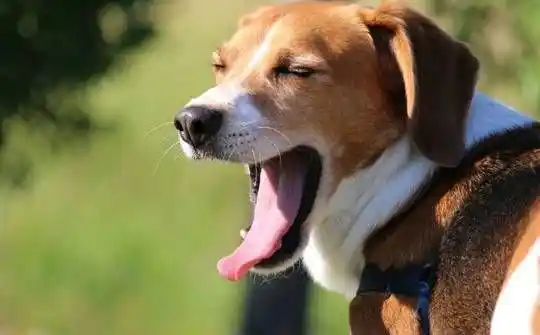
Yes, absolutely. It is one of the primary ways dogs signal their internal state to the outside world.
Dogs do not have words. They rely on posture, facial expressions, and signals like yawning, lip licking, and shaking off.
When a dog yawns at another dog, it is a peace treaty. It signals, “I am not going to attack you.” When they yawn at a human, they are using that same language.
Ignoring these communications can lead to behavioral issues. If a dog yawns to say “I am stressed” and you continue the stressful action, the dog may escalate to growling.
Why Is My Dog Yawning So Much?
Excessive yawning is usually a sign of chronic anxiety, nausea, or significant discomfort.
If your dog is yawning repeatedly—five, ten, or twenty times in a short period—this is not normal tiredness. It indicates that the dog is struggling to settle.
Environmental Stressors:
New pets in the home.
Moving to a new house.
Loud construction noises.
Changes in routine.
If the environment is calm and the yawning persists, you must look at physical causes.
Can A Dog’s Yawning Point To A Medical Problem?
Yes. Yawning can be a symptom of physical issues, particularly nausea or oral pain.
When a dog feels sick to their stomach, they often yawn and lick their lips. This is a prodromal sign of vomiting.
Medical issues linked to yawning:
Dental Pain: A tooth abscess or gum disease can make opening the jaw relieve pressure temporarily.
Ear Infections: The jaw movement can help relieve pressure in the eustachian tubes.
Neurological Issues: In rare cases, excessive yawning can be linked to seizures or neurological decline.
If the yawning is accompanied by drooling, pacing, or lack of appetite, you should consult a professional.
How To Help A Dog That Yawns A Lot When Being Petted
If your dog yawns frequently under your hand, you need to adjust your approach to help them feel safe.
The goal is to lower the pressure. Many dogs tolerate petting but do not actually enjoy it. You want to move your dog from “tolerating” to “enjoying.”
Table 3: Action Plan for Reducing Stress Yawns
| Step | Action | Why It Works |
| 1. Stop | Cease all petting immediately. | Removes the potential stressor. |
| 2. Observe | Does the dog move away or stay? | Gives the dog a choice (agency). |
| 3. Re-engage | Offer a hand for sniffing, do not reach over. | Allows the dog to initiate contact. |
| 4. Adjust | Switch to chest or chin scratches. | avoiding the head is less threatening. |
| 5. Monitor | Stop every 30 seconds to check consent. | Ensures the dog is still participating. |
Is Yawning Contagious Between Dogs And Humans?
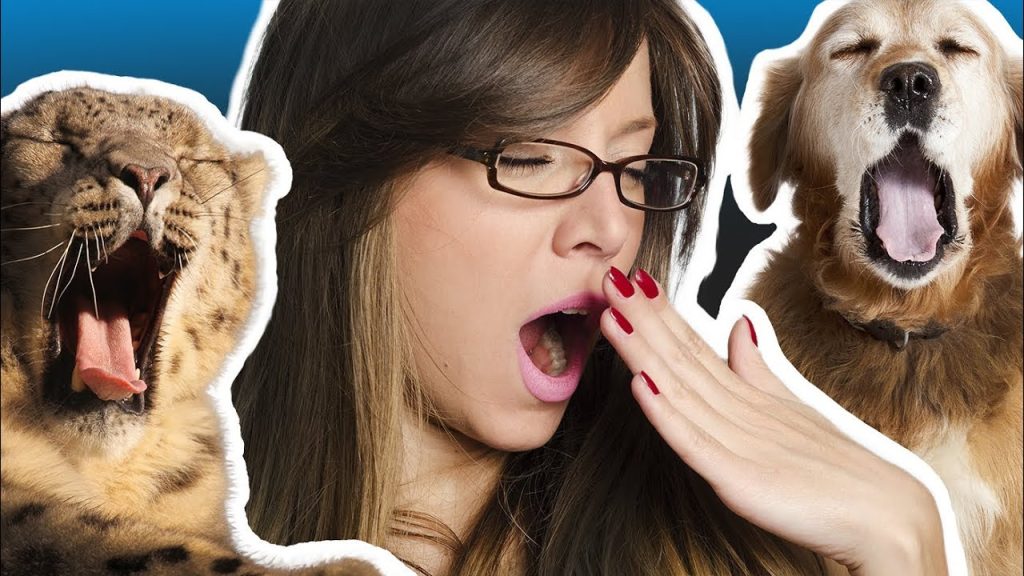
Yes, studies have shown that yawning is contagious between dogs and their owners, and it may be linked to empathy.
You know how you yawn when you see a friend yawn? Dogs do the same thing. However, they are more likely to catch a yawn from their owner than from a stranger.
This suggests that contagious yawning is modulated by emotional closeness. It is a sign of social bonding.
If you yawn and your dog yawns back, it suggests they are paying close attention to you. It is a sign of connection, not just mimicry.
Shop Pet Accessories Trusted by Real Pet Owners Everywhere.
Do Dogs Yawn As A Sign Of Affection?
Indirectly, yes. A yawn that signals total relaxation in your presence is a massive compliment.
A dog that feels unsafe will not let their guard down. They will remain alert. If your dog curls up next to you, sighs, and lets out a big, lazy yawn, they are saying they trust you implicitly.
They are comfortable enough to close their eyes and lower their defenses.
Table 4: Affectionate Yawn vs. Stressed Yawn
| Feature | Affectionate (Safe) | Stressed (Unsafe) |
| Speed | Slow, gradual open and close. | Rapid, snappy yawn. |
| Ending | Often ends with a sigh or head rest. | Ends with looking around or panting. |
| Body | Melts into your side. | Pulls away or freezes. |
| Context | Quiet evening, soft petting. | Hugging, loud noises, restraint. |
How Can I Tell If My Dog’s Yawning Is Related To Stress?
You must look for the “clusters” of stress signals that accompany the yawn.
Isolation is the enemy of interpretation. A yawn alone is ambiguous. A yawn plus pinned ears is clear. A yawn plus a wagging tail is confusing (but usually means “appeasement” or excitement).
Table 5: The Stress Signal Checklist
| Signal | Description | What It Means Combined with Yawning |
| Whale Eye | Seeing the whites of the eyes. | High anxiety; back off immediately. |
| Lip Licking | Quick tongue flick over the nose. | Nervousness or nausea. |
| Panting | Rapid breathing when not hot. | Stress overload. |
| Hyper-vigilance | Looking everywhere rapidly. | Feeling unsafe in the environment. |
| Paw Lift | One front paw raised slightly. | Uncertainty or indecision. |
If you see these signs, stop petting. Your dog is asking for a break. Respecting this request builds trust. It teaches your dog that you listen to them, which will actually make them enjoy petting more in the future.
Frequently Asked Questions About Why Does My Dog Yawn When I Pet Him
Why Does My Dog Yawn When I Pet Him So Often?
If it happens often, check your technique. You might be petting too roughly or hugging too tight. It could also mean your dog is naturally submissive and uses yawning to show he is a “good boy” who isn’t a threat. Try shorter, gentler sessions and see if the yawning decreases.
Why Does My Dog Yawn So Much When I Pet Him During Bonding Time?
This is often the “relaxation response.” If the room is quiet and you are bonding, his parasympathetic nervous system is kicking in. He is transitioning from alert to rest. This is a very good sign. It means he feels safe enough with you to fall asleep.