
Which Dog Vaccines Are Absolutely Necessary For Dogs Based On Needs?
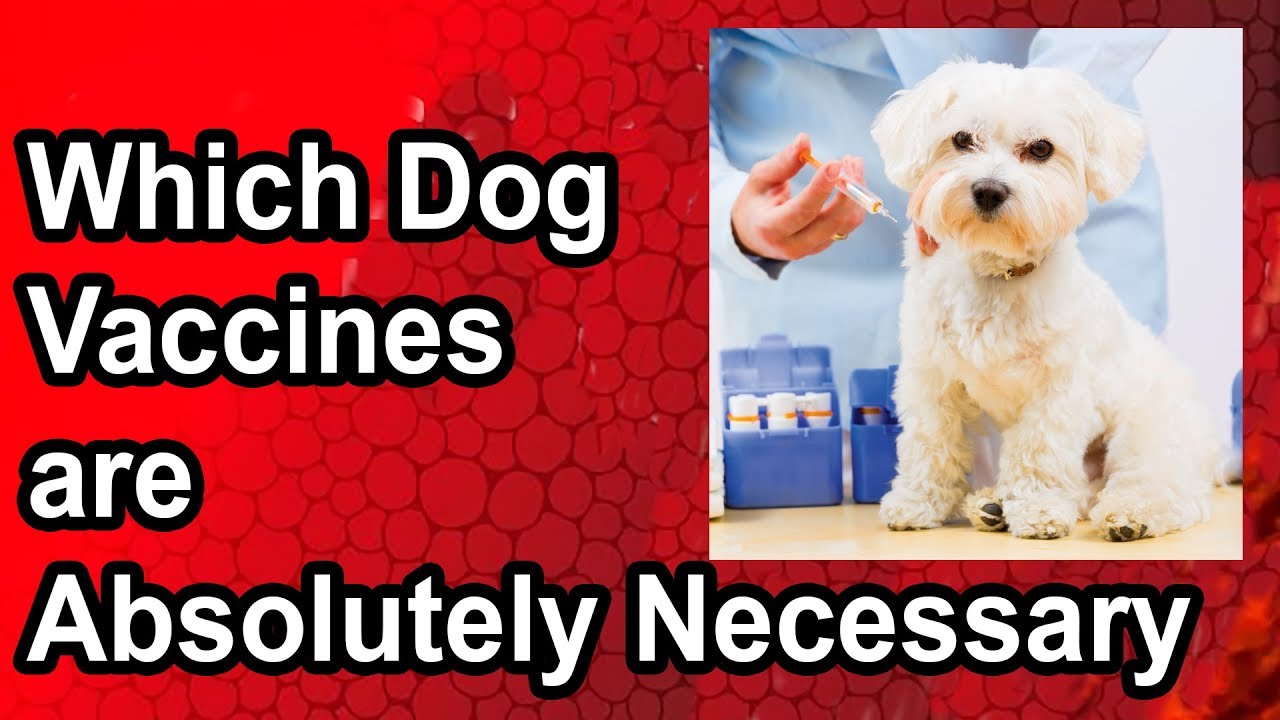
Protecting your pet is a top priority for every responsible owner. Navigating the world of veterinary medicine is often confusing when you are trying to figure out which dog vaccines are absolutely necessary for your furry friend. Many owners feel overwhelmed by the variety of shots available at the clinic. It is important to realize that not every dog requires every single vaccine on the menu.
The health of your pet is maintained through a strategic balance of protection and necessity. Some shots are required by law while others are suggested based on where you live or how often your dog visits the park. By understanding the difference between essential and optional care, you can make an informed decision that keeps your dog safe without over vaccinating. This guide will break down the essential requirements and help you build a perfect health plan.

Key Takeaways
Core vaccines like Rabies and Distemper are considered mandatory for almost all dogs.
Rabies vaccinations are a legal requirement in most states to protect public health.
Non-core vaccines are chosen based on your dog’s specific lifestyle and environment.
Puppies require a specific series of shots to build their early immune systems.
Annual boosters are necessary for certain bacterial vaccines like Bordetella or Leptospirosis.
Consulting with a licensed veterinarian is the best way to determine a custom schedule.
Side effects are usually mild and much less risky than the diseases themselves.
Table of Contents
Which Dog Vaccines Are Absolutely Necessary?
The vaccines that are absolutely necessary are those classified as core vaccines by major veterinary organizations. Core vaccines are defined as shots that every dog should receive regardless of their location or lifestyle. These specific shots protect against diseases that are particularly severe, highly contagious, or carry a high mortality rate.
Essential vaccines are those that provide a foundation for a long and healthy life. Without these shots, your pet is left vulnerable to viruses that are often found in the environment. Veterinary experts agree that preventing these illnesses is much more effective and affordable than trying to treat them after an infection has occurred.
What Core Vaccines Do All Dogs Need?
Yes, all dogs need core vaccines to protect against the most dangerous canine pathogens. The core group typically includes Rabies, Canine Distemper, Parvovirus, and Adenovirus. These are considered necessary because the diseases they prevent are found globally and can be fatal to unprotected animals.
Canine Distemper is a very serious viral illness that affects the respiratory and nervous systems. Parvovirus is a highly contagious gastrointestinal disease that is especially dangerous for puppies. Adenovirus, also known as canine hepatitis, targets the liver and can cause long term damage.
| Vaccine Name | Disease Targeted | Transmission Method | Severity Level |
| Rabies | Rabies Virus | Bite wounds from infected animals | Fatal |
| DHPP | Distemper, Hepatitis, Parvo | Airborne or direct contact | Very High |
| Parvovirus | Canine Parvo | Contact with contaminated feces | High |
| Adenovirus | Canine Hepatitis | Contact with infected urine or saliva | High |


Why Are Dog Vaccines Important For Your Pet’s Wellbeing?
Vaccines are important because they prepare the immune system to fight off specific infections. When a dog is vaccinated, their body is taught how to recognize and destroy harmful viruses or bacteria. This proactive approach is the best way to ensure your pet remains healthy throughout their life.
The longevity of your pet is directly linked to the prevention of infectious diseases. Many of the illnesses prevented by shots have no known cure once they are contracted. By staying updated on shots, you are providing a safety net that protects your dog from suffering and expensive medical emergencies.
What Vaccines Do Vets Recommend As Necessary For Dogs?
Veterinarians recommend a schedule that prioritizes core vaccines while assessing the need for optional ones. Most vets follow the guidelines set by the American Animal Hospital Association for standard care. These recommendations are based on years of scientific research and clinical data.
Mandatory vaccines are those deemed essential for the survival of the canine population. Vets emphasize that high vaccination rates in a community create herd immunity. This helps protect even those dogs who might be too old or sick to receive certain shots themselves.
What Vaccines Must Dogs Have To Meet Legal Requirements?
The Rabies vaccine is the only shot that is legally required in almost every state. This is because Rabies is a zoonotic disease, which means it can be passed from animals to humans. Legal regulations are strictly enforced to prevent the spread of this deadly virus within the human population.
Specific requirements can vary depending on your local county or state laws. Some areas require a booster every year, while others recognize a three year vaccine. You should check with your local animal control or a local vet to ensure you are in full compliance with the law.
How Often Should Dogs Get Vaccinated?
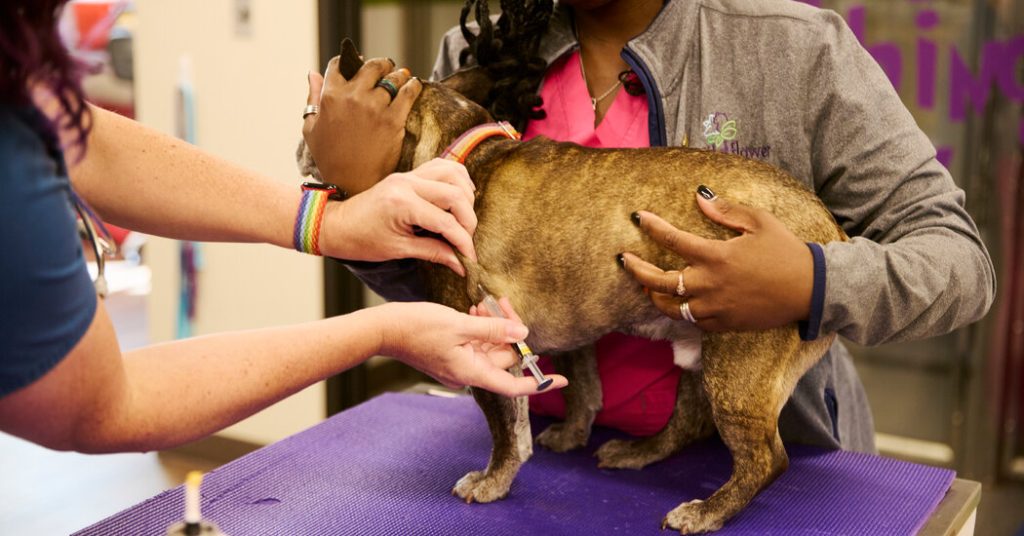
Frequency depends on the specific type of vaccine and the age of the dog. Most core vaccines are given every three years after the initial puppy series and the first one year booster. However, some lifestyle vaccines must be given more frequently to remain effective.
Age and health status are the primary factors used to determine a schedule. A senior dog might have a different requirement than a highly active hunting dog. Your vet will look at the duration of immunity for each shot to decide when a booster is truly needed.
| Age Group | Frequency of Core Shots | Frequency of Non Core Shots |
| Puppies | Every 3 to 4 weeks until 16 weeks | Based on early exposure risks |
| Adult Dogs | Every 1 to 3 years | Typically every 12 months |
| Senior Dogs | Every 3 years or based on titers | Only if exposure risk is high |
Which Dog Vaccines Need Annual Renewal?
Certain vaccines lose their effectiveness faster than others and require annual renewal. Most bacterial vaccines fall into this category because the immunity they provide does not last as long as viral vaccines. Staying on top of these yearly appointments is vital for dogs who are frequently exposed to other animals.
Vaccines for Bordetella and Leptospirosis are commonly administered on a yearly basis. If your dog spends time at a boarding facility or a grooming salon, these annual boosters are often mandatory for entry. Missing a yearly dose can leave your dog’s immune system unprepared for an encounter with these pathogens.


Which Non Core Vaccines Do Dogs Need Based On Their Environment?
Non core vaccines are recommended based on the specific risks present in your geographic area. For example, a dog living in a wooded area with many ticks might need the Lyme disease vaccine. Conversely, a dog living in a high rise apartment in a city might not require the same level of protection against wildlife diseases.
Leptospirosis is often suggested for dogs that live near water or areas with wildlife like raccoons and rats. The canine influenza vaccine is recommended for dogs that interact with many other dogs in social settings. Your lifestyle and your dog’s daily activities dictate which of these shots are necessary.
| Vaccine Type | Best For | Common Risk Factors |
| Lyme | Dogs in tick heavy areas | Wooded trails, tall grass |
| Bordetella | Social dogs | Daycare, boarding, dog parks |
| Leptospirosis | Outdoor dogs | Stagnant water, wildlife presence |
| Canine Flu | Social dogs | Shelters, pet shows, urban parks |
How Do Core And Non Core Dog Vaccines Differ?
Core vaccines are vital for all dogs because the diseases they prevent are found everywhere and are very dangerous. Non core vaccines are considered optional and are only given if the dog’s lifestyle warrants the protection. This distinction is made to avoid giving shots that a dog does not truly need.
Understanding this difference allows you to have a better conversation with your vet. You can discuss where you take your dog and what activities you do together. This information helps the vet decide which non core shots are a smart investment for your pet’s specific situation.
What Risks Should You Know Before Vaccinating Your Dog?
While vaccines are generally very safe, some dogs may experience mild side effects. These common reactions include slight swelling at the injection site, a mild fever, or decreased appetite for a day or two. Serious allergic reactions are rare but do require immediate medical attention from a professional.
It is very important to consult with a veterinarian before starting any new vaccination series. They will evaluate your dog’s medical history to ensure that the shots are safe to administer. Most vets agree that the risk of the disease is much greater than the risk of a reaction to the shot.
| Side Effect | Severity | Recommended Action |
| Mild Swelling | Low | Monitor at home |
| Lethargy | Low | Provide a quiet place to rest |
| Hives or Vomiting | High | Contact vet immediately |
| Difficulty Breathing | Emergency | Seek emergency care now |
How To Keep Your Dog’s Vaccinations Up To Date
Managing a vaccination schedule is made easier by using digital tools and reminders. Most modern veterinary clinics send out automated emails or text messages when your dog is due for a booster. Keeping a physical or digital folder of your dog’s records is also a great practice for travel or boarding.
You can also use apps designed for pet health tracking to store all medical documents in one place. Staying organized ensures that you never miss a legal deadline for a Rabies shot. It also makes it easier to provide proof of vaccination to groomers or boarding facilities when needed.
Why Must Dogs Receive Rabies Vaccinations By Law?
Rabies vaccinations are required by law because the disease is a major public health threat. The virus is almost always fatal once symptoms appear in both dogs and humans. By mandating the vaccine for pets, the government creates a barrier between wildlife and human living spaces.
According to the Centers for Disease Control and Prevention, pet vaccinations have significantly reduced the number of human rabies cases in the United States. Following these laws protects your family, your community, and your pet from a devastating illness.
Does My Dog Need The Bordetella Vaccine?
Yes, your dog needs the Bordetella vaccine if they socialise with other dogs regularly. This vaccine protects against kennel cough, which is a highly contagious respiratory infection. While it is rarely fatal, kennel cough can lead to more serious conditions like pneumonia in some dogs.
Boarding facilities and doggy daycares almost always require this vaccine for all their guests. If your dog only stays in your backyard and never meets other animals, the risk is lower. However, even a quick trip to the groomer can expose your pet to the bacteria.
What Do Reviews Say About Watermelon Zkittlez Strain?
User reviews for the watermelon zkittlez strain are generally very positive. Across platforms like Leafly and Weedmaps, it holds high ratings. People love the consistency of the flavor.
Recurring themes include its ability to help with sleep. Many reviews mention using it as a nightcap. Users appreciate that it stops racing thoughts.
There are differences between new and experienced users. First-time users are often surprised by the strength. They warn others to take it easy. They love the taste but admit the high can be intense.
Experienced users praise the strain for its “bag appeal.” They like how the buds look and smell. For veterans, it is a reliable choice for high tolerance days. It manages to break through even a high tolerance barrier.
What Is The Genetics And Lineage Of Watermelon Zkittlez Strain?
The parent strains are somewhat debated, but a consensus exists. Most breeders agree it is a cross between Watermelon Zum Zum and OG Eddy Lepp. Some variations include Zkittlez in the direct lineage to boost the candy flavor.
Genetics are fascinating. The Watermelon Zum Zum parent provides the fruity flavor. The OG Eddy Lepp brings the heavy indica effects. Combining them creates a balanced but potent offspring.
Phenotype variation can occur. This means seeds from the same parents can look different. Some plants might be purple and short. Others might be green and slightly taller.
Even within the same genetic lineage, the environment matters. How the plant is grown affects the final product. Temperature and light change the terpene expression.
Shop Pet Accessories Trusted by Real Pet Owners Everywhere.



How Do I Know Which Vaccines My Dog Needs?
Determining which dog vaccines are absolutely necessary is best done through a direct consultation with your vet. They will perform a risk assessment based on your dog’s age, health, and local environment. You should provide honest information about your dog’s travel history and social habits.
Online resources and vaccine schedules can provide a helpful starting point for your research. The American Veterinary Medical Association offers detailed guides on what to expect. Using these professional resources helps you stay informed and prepared for your next appointment.
Which Essential Vaccines Does A Puppy Need?
Puppies need a series of essential vaccines starting at about six to eight weeks of age. This series is necessary because the protection they receive from their mother’s milk begins to fade. The shots are usually given in three or four doses spaced several weeks apart to ensure full immunity.
The standard puppy series includes protection against Distemper, Parvovirus, and Adenovirus. Rabies is typically given at the final puppy visit, usually around 16 weeks of age. Following this timeline exactly is the best way to protect your new puppy during their most vulnerable months.
| Puppy Age | Recommended Vaccines |
| 6 to 8 Weeks | DHPP (Distemper, Hepatitis, Parvo) |
| 10 to 12 Weeks | DHPP Booster, Bordetella |
| 14 to 16 Weeks | DHPP Booster, Rabies |
| 12 Months | Full Core Boosters |
Frequently Asked Questions About Which Dog Vaccines Are Absolutely Necessary
Which Dog Vaccines Are Absolutely Necessary According To Vets?
Vets state that the core vaccines are absolutely necessary for every dog. These include Rabies, Distemper, Canine Parvovirus, and Canine Hepatitis. These four shots provide the essential protection needed to prevent life threatening outbreaks in the pet population.
Other shots may be considered necessary by your vet based on where you live. For example, if you live in the Northeast, the Lyme vaccine might be viewed as essential. Always follow the advice of a professional who knows the specific risks in your local area.
What Are The Core Vaccines For Dogs And Why Do They Matter?
Core vaccines are the shots that protect against the most common and dangerous diseases. They matter because they prevent high mortality rates and keep contagious viruses from spreading. By focusing on these essential shots, you provide a high level of safety for your pet with minimal medical intervention.
These vaccines are also important for maintaining the overall health of the dog community. When more dogs are vaccinated, the chance of a widespread outbreak is greatly reduced. This collective protection is a key goal of modern veterinary medicine.