
How Much Does It Cost To Microchip A Dog Near You At Vet Clinics?
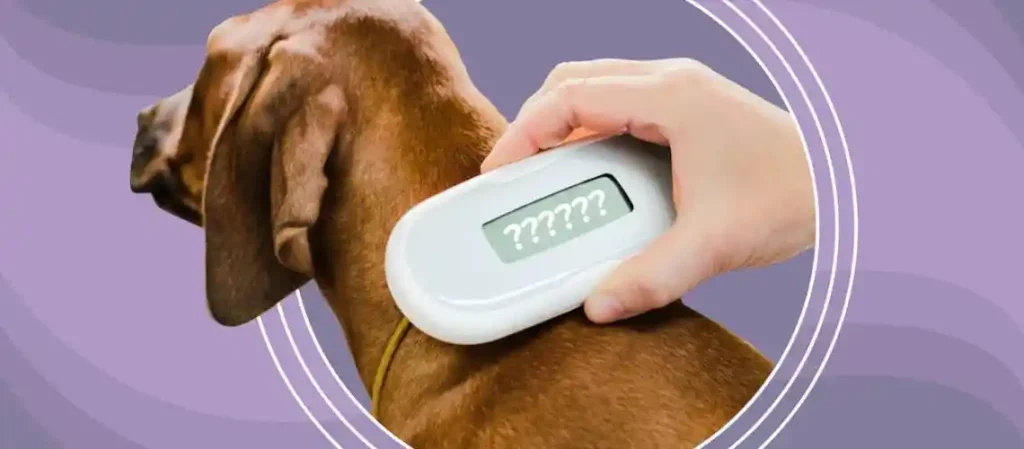
Every pet owner experiences that moment of panic when a door is left open. To prevent permanent loss, a small electronic chip is implanted under the skin of your pet. This procedure is common and highly effective for recovery. If you are wondering how much does it cost to microchip a dog, the answer depends on your location and chosen provider. This guide covers everything from clinic fees to registry costs.


Key Takeaways
Expect to pay between $25 and $70 for the initial procedure.
Veterinary clinics often charge a separate office visit fee.
Shelters provide the most affordable options for budget-conscious owners.
Registration fees may be a one-time cost or an annual subscription.
Bundled wellness packages can reduce the overall expense significantly.
Microchips do not require batteries and last for the lifetime of the dog.
The procedure is quick and similar to a standard vaccination shot.
Table of Contents
How Much Does It Cost To Microchip A Dog?
The average cost for this procedure typically ranges from $25 to $60 for the chip and implantation. This price is considered a one-time investment for the lifetime of your pet. Most owners find that the expense is minimal compared to the safety provided. Higher prices are often seen in specialty clinics or high-cost living areas.
Several factors influence the final bill you receive at the counter. These include the brand of the chip, the technology used, and the geographic location of the facility. Some chips include advanced features like temperature sensing, which can increase the price. Furthermore, the administrative fee for entering your contact data into a national database is often handled separately from the physical medical procedure.
| Cost Category | Low End Estimate | High End Estimate |
| Microchip Procedure | $25 | $55 |
| Vet Office Visit | $40 | $100 |
| Registration Fee | $0 | $35 |
| Total Initial Cost | *$65* | $190 |


How Much Does It Cost To Microchip A Dog At A Vet Clinic?
At a private veterinary clinic, the price is usually higher than at a public shelter. Most veterinarians charge between $40 and $70 for the microchip itself. However, it is important to remember that a physical exam fee is often required for new patients. This fee covers the professional time used to assess the health of your dog before the procedure is performed.
Many veterinary practices offer bundled services to help owners save money. These packages are popular for new puppies and often include vaccinations, deworming, and microchipping. When these services are combined, the individual price of the microchip is often discounted. It is recommended to check for wellness plans that spread the cost over monthly payments.
What Can Influence The Cost Of Microchipping A Dog?
The primary driver of cost is the location where the service is performed. In large metropolitan cities, rent and labor costs for clinics are significantly higher. These overhead expenses are passed down to the pet owner in the form of higher service fees. Conversely, clinics in smaller towns or suburban areas may offer more competitive pricing to attract local residents.
The type of technology used also plays a role in the final price. Standard microchips operate on a specific frequency that is readable by most universal scanners. Some advanced chips are designed to meet international travel standards, such as ISO compliance. If you plan to travel abroad with your dog, an ISO-compliant chip is necessary and may cost more than a basic version.
| Factor | Impact on Price | Why It Changes |
| Urban Location | +20% to +40% | Higher overhead and demand in cities. |
| Rural Location | -10% to -20% | Lower operating costs for the clinic. |
| ISO Compliance | +$10 to +$20 | Required for international travel standards. |
| Brand Name | +$5 to +$15 | Marketing and reliability reputation. |
| Mobile Clinics | -15% to -30% | Lower overhead than brick-and-mortar vets. |
How Much Does Microchipping A Dog Cost In Rural Areas?
In rural areas, pet owners may find that prices are more affordable. Local vets in farming communities often keep prices low to encourage compliance with local laws. You might find the procedure offered for as little as $20 or $30. However, the availability of high-tech scanners or specialized chips might be limited in these remote regions.
It is observed that rural pricing is influenced by the lower cost of living. While the chip itself has a fixed manufacturer cost, the labor rate is usually reduced. Owners should also consider the travel distance to the nearest clinic, as fuel costs can add to the total investment. Sometimes, community “vax clinics” travel to rural areas to offer these services at deep discounts.
How Much Does It Cost To Microchip A Dog Near Me?
To find the most accurate pricing in your immediate area, local search tools are invaluable. Many owners use online directories to compare the rates of nearby clinics. Prices are often listed on clinic websites under “Services” or “Wellness.” If the price is not listed, a quick phone call to the receptionist can provide a transparent quote.
Local animal control agencies also provide information on low-cost microchipping events. These events are often held at parks or community centers. The prices at these events are typically lower than those found at private hospitals. In many counties, the cost is kept low to ensure that lost pets can be returned to their owners quickly, saving the taxpayer money on shelter stays.
How Much Does It Cost To Microchip A Dog At PetSmart?
PetSmart does not perform medical procedures directly in the retail aisles. Instead, microchipping is handled by their partner, Banfield Pet Hospital, which is located inside most stores. The pricing at these locations is standardized but can vary slightly by region. You can expect to pay a professional fee for the implantation and the registration of the chip.
Compared to other pet store chains, PetSmart offers the advantage of convenience. Owners can shop for supplies and handle medical needs in one trip. Additional services like pet ID tags are also available for purchase nearby. It is common for PetSmart to host adoption events where microchipping is already included in the adoption fee for the new pet.
| Service Provider | Estimated Procedure Cost | Office Visit Required? |
| Banfield (PetSmart) | $45 – $60 | Yes |
| Vetco (Petco) | $35 – $50 | No (Clinic Style) |
| Local Shelter | $15 – $25 | No |
| Private Vet | $50 – $80 | Yes |
| Mobile Clinic | $25 – $40 | No |


How Much Does It Cost To Microchip A Dog At Petco?
Petco provides microchipping services through their Vetco clinics. These clinics are designed to be affordable and convenient for the average pet owner. The cost at Vetco is typically between $35 and $50. One major benefit of using Vetco is that they often skip the expensive office exam fee that private vets charge.
Discounts and membership deals are frequently offered to loyal customers. If you are a member of their Vital Care program, you might receive additional savings on various medical services. Vetco clinics are often held on weekends, making it easier for working owners to attend. The price usually includes the initial registration, though you should verify this at the time of service.
Is Microchipping A Dog Worth The Cost?
Yes. The cost of microchipping is a small price to pay for the security it provides. Unlike collars or tags, a microchip cannot fall off or be removed easily. It provides a permanent link between you and your dog. According to research from the [suspicious link removed], microchipped dogs are returned to their owners at a much higher rate.
The long-term safety and security of your pet are significantly enhanced by this technology. If a dog is stolen or ends up in a shelter, the chip is the first thing a professional will check. The financial burden of losing a pet and paying shelter “impound” fees often exceeds the cost of the chip itself. It is a proactive measure that offers peace of mind for the life of the animal.
What Are The Benefits Of Microchipping A Dog?
One of the primary advantages is the permanent identification of the animal. This is especially important during natural disasters where pets and owners are easily separated. A microchip does not require power and stays functional for decades. It is a reliable backup for traditional tags that can become illegible over time due to wear and tear.
Another benefit is the increased chance of a swift reunion. Shelters are often overcrowded, and animals without identification may be put up for adoption quickly. A chip ensures that your contact information is always accessible to veterinary professionals. This technology has saved thousands of pets from being permanently displaced from their families.
How Much Does Microchipping A Dog Cost At Banfield?
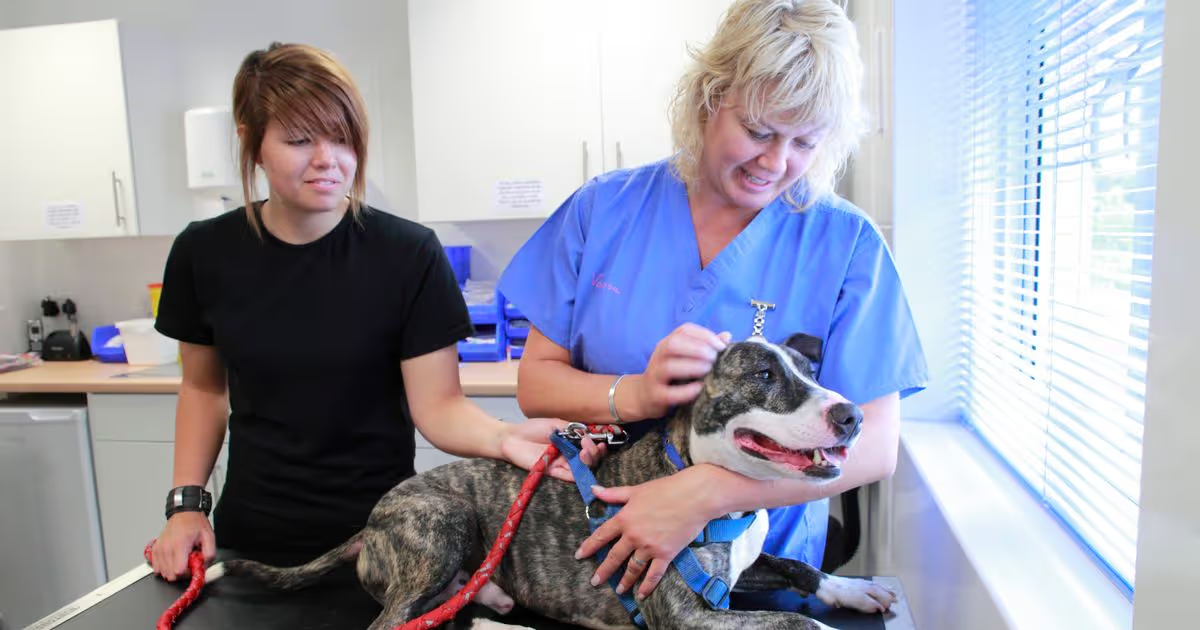
Banfield Pet Hospital is one of the largest veterinary chains in the country. At Banfield, the microchipping service is often priced between $45 and $60. This price is competitive with most private practices. However, Banfield is known for its “Optimum Wellness Plans” which cover a wide range of preventive care for a monthly fee.
If you are enrolled in a wellness plan, the cost of the microchip may be included or discounted. This makes Banfield an attractive option for owners who want comprehensive care. When compared to other chains, Banfield offers a more traditional clinical environment. Their records are digital, meaning your pet’s chip information is easily accessible at any Banfield location nationwide.
| Banfield Service | Price Range | Notes |
| Individual Microchip | $45 – $60 | Standard procedure cost. |
| Office Visit Fee | $50 – $70 | Required if not on a plan. |
| Wellness Plan Inclusion | $0 – $20 | Part of a monthly subscription. |
| Registration Update | $0 | Usually managed by the owner. |
What Is The Cost To Microchip A Dog At Tractor Supply?
Tractor Supply hosts PetVet clinics that offer low-cost preventative care. The cost to microchip a dog at these locations is typically around $25 to $35. This is one of the most affordable commercial options available to the public. These clinics are usually “walk-in” style, meaning no appointment is necessary for the procedure.
When comparing Tractor Supply to other providers, the focus is on utility and speed. They provide a high-quality chip at a price that rivals local animal shelters. This is an excellent choice for owners who live in semi-rural areas or who prefer a no-frills experience. The affordability makes it easier for owners with multiple dogs to ensure every pet is protected.
Can Pet Insurance Cover The Cost Of Microchipping?
Doubtful. Standard pet insurance policies usually focus on accidents and illnesses rather than routine care. However, many insurance providers offer a “Wellness Rider” or “Routine Care” add-on. If you have purchased this extra coverage, the cost of microchipping is often fully reimbursed. It is important to check the specific language of your policy before the appointment.
The possibility of insurance coverage depends on the company you choose. Some modern pet insurance firms include microchipping as a standard benefit to encourage responsible pet ownership. Since a microchipped dog is easier to find, it reduces the risk of long-term claims for the insurance company. Always submit your receipt to the provider to see if you qualify for a refund.
What Are The Risks Of Not Microchipping A Dog?
The risks of not microchipping are substantial and can lead to the permanent loss of a family member. Statistics from the National Animal Care & Control Association show that millions of pets enter shelters every year. Without a chip, the likelihood of a dog being returned to its owner drops significantly. Collars can break, and tags can be lost during a flight or a struggle.
If a dog is found without identification, it may be held for only a few days before being euthanized or rehomed. This creates a high-stress situation for both the pet and the owner. In some jurisdictions, microchipping is a legal requirement for pet ownership. Failing to comply can result in fines or legal complications if your dog is ever picked up by animal control.
What Is The Cost Of A Dog Microchip With A Shelter Adoption?
In most cases, the cost of a microchip is included in the standard adoption fee. Shelters want to ensure that any pet they adopt out never returns to the system. This fee usually covers the chip, the implantation, and the initial registration. Adoption fees typically range from $50 to $200, making the microchip a very small part of the total package.
Some shelters offer discounted or even free microchips for newly adopted pets during special promotional months. These programs are often funded by grants or donations from local businesses. It is recommended to ask the shelter staff if the chip is already registered to your name or if you need to complete the paperwork. Proper registration is the only way the chip remains effective.
Shop Pet Accessories Trusted by Real Pet Owners Everywhere.


How Much Does It Cost To Microchip A Dog At A Shelter?
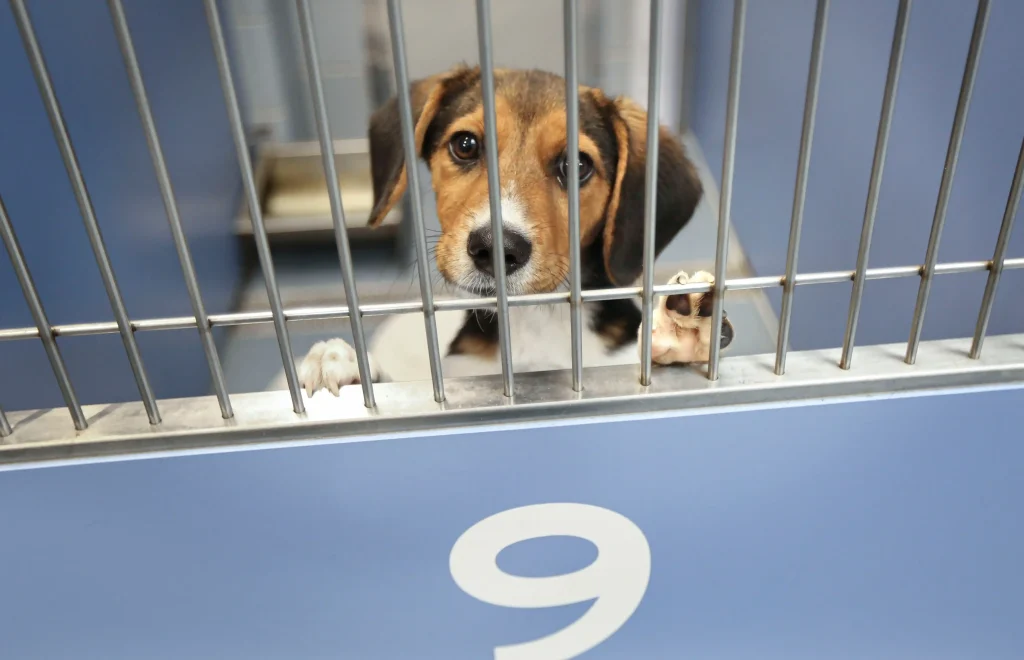
If you already own a dog and want to get it microchipped, many shelters offer this as a standalone service. The price at a shelter is usually the lowest in the community, often between $15 and $25. This is a public service designed to keep pets in their homes and out of the shelter system. These funds are typically reinvested into animal care programs.
Shelters may have specific hours for public microchipping, so it is best to call ahead. Some organizations receive government funding to provide these services for free to low-income residents. According to data from the USDA Animal and Plant Health Inspection Service, tracking and identification are vital for public health and safety. Utilizing a shelter for this service is a great way to support local animal welfare.
| Shelter Service | Average Price | Availability |
| Standard Microchip | $20 | Year-round |
| Microchip Clinic Day | $10 – $15 | Monthly or Quarterly |
| Low-Income Voucher | $0 | Based on eligibility |
| Adoption Package | Included | At time of adoption |
Frequently Asked Questions About How Much Does It Cost To Microchip A Dog
How Much Does It Cost To Microchip A Dog Including Registration Fees?
Yes, the total cost often includes a registration fee. While the physical chip might cost $30, the registration database might charge a one-time fee of $20. Some companies like HomeAgain or AKC Reunite offer annual memberships for extra recovery services. Always ask if the registration is included in the upfront price you pay at the vet.
The registration fee is what puts your name, address, and phone number into the system. Without this step, the chip only provides a random identification number. You must keep this information updated if you move or change your phone number. Some registries allow for free updates, while others require a small fee for every change made to the profile.
How Do I Find The Cost To Microchip A Dog Near Me?
To find the most current rates, start by searching for local animal clinics on Google Maps. Most businesses will have their pricing or contact information readily available. You can also visit the American Kennel Club website to find authorized microchip providers in your region. Comparing at least three different locations will ensure you get a fair price.
Another great resource is social media groups for local pet owners. Many neighbors share information about upcoming low-cost clinics or vet specials. If you are on a tight budget, look for non-profit organizations that focus on pet retention. They often provide vouchers or host events where the cost is significantly reduced for the general public.