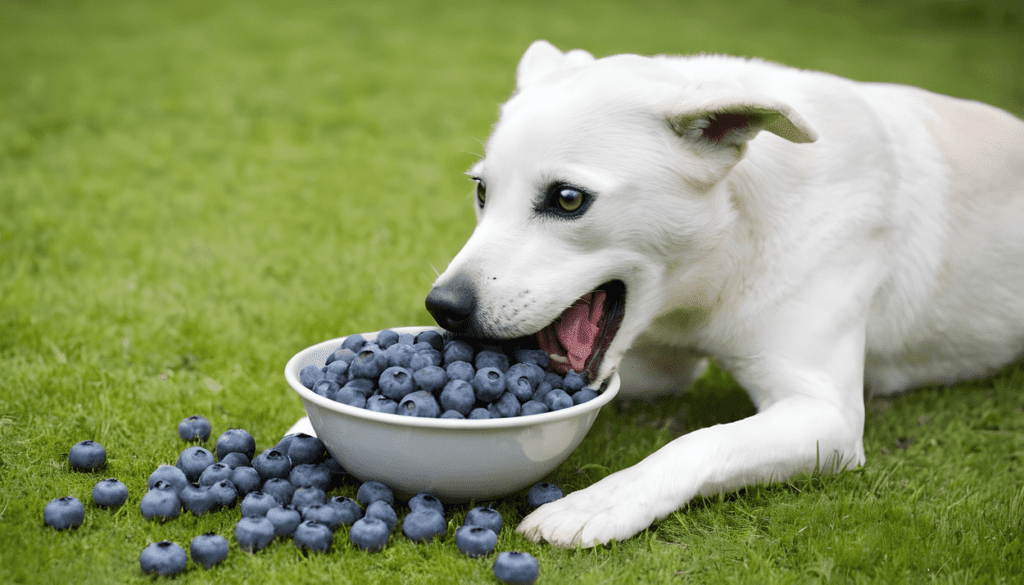
Can Puppies Eat Blueberries?
Yes, puppies can eat blueberries. They are considered a healthy treat for growing dogs because of the vitamins that support bone development and immune health. The soft texture of the inner fruit is easily digested by young stomachs.
Special consideration must be given to the size of the berry. The round shape poses a potential choking risk for very small puppies. It is recommended that blueberries be mashed or cut in half before they are offered to a puppy. New foods should always be introduced one at a time to monitor for allergic reactions.
Are Blueberries Good For Dogs With Sensitive Stomachs?
Yes, blueberries are generally good for dogs with sensitive stomachs, provided they are introduced slowly. The fiber in blueberries can actually aid digestion and regulate bowel movements. However, an abrupt introduction of fiber can have the opposite effect.
If a dog is known to have a sensitive stomach, the “One-Berry Rule” should be applied. One berry is fed, and the dog is monitored for 24 hours. If no gas, vomiting, or diarrhea is observed, the portion can be gradually increased. This method is used to prevent gastrointestinal upset.
What Are The Benefits Of Blueberries For Dogs?
The benefits of blueberries are largely attributed to their high antioxidant content. These antioxidants are known to fight free radicals in the body, which can reduce cellular damage. This is particularly beneficial for aging dogs, as cognitive decline may be slowed by a diet rich in antioxidants.
Vitamins C and K are also found in abundance. Vitamin C is used by the body to reduce inflammation and support cognitive function. Vitamin K is essential for proper blood clotting and bone health. Furthermore, minerals like manganese are provided, which are needed for metabolism.
Image Suggestion: “Infographic showing a blueberry with arrows pointing to benefits: Brain Health, Immune Support, Low Calorie.”
Alt Text: “Nutritional benefits of blueberries for dogs including antioxidants and vitamins”
Can Dogs Eat Frozen Blueberries?
Yes, frozen blueberries are safe and often preferred by dogs due to their crunchy texture. They are often used as a cooling treat during hot summer months. The freezing process retains most of the nutrients found in fresh berries.
For puppies, frozen blueberries are used as a natural pain relief method during teething. The cold temperature numbs the gums, while the hard texture satisfies the urge to chew. It is advised to supervise dogs while they eat frozen treats to ensure they are not swallowed whole without chewing.
Table 2: Fresh vs. Frozen Blueberries Comparison
| Feature | Fresh Blueberries | Frozen Blueberries |
| Texture | Soft, juicy | Hard, crunchy |
| Best Use | Training treats, food toppers | Hot days, teething puppies |
| Nutrient Retention | High (if consumed quickly) | Very High (nutrients locked in) |
| Choking Risk | Low (unless very small dog) | Moderate (harder to chew) |
| Preparation | Wash and serve | Serve directly from freezer |
Can Dogs Have Blueberry Muffins?
No, dogs should generally not eat blueberry muffins. While the blueberries inside are safe, the muffin itself is usually packed with sugar, processed flour, and butter. These ingredients are known to cause pancreatitis and obesity if consumed regularly.
A greater risk is found in “sugar-free” muffins. Many of these products contain Xylitol (birch sugar), which is highly toxic to dogs. Even a small amount of Xylitol causes a rapid drop in blood sugar and liver failure. Homemade muffins made specifically for dogs with safe ingredients are the only exception.
Can Dogs Eat Dried Blueberries?
Yes, dried blueberries can be eaten by dogs, but caution is advised. Dried fruit is essentially concentrated sugar and calories. The water is removed, leaving a denser product that is easier to overeat.
It must be verified that the dried blueberries do not contain added sulfites or sugars. Many commercially available dried fruits are coated in syrup to improve taste. These should be avoided. If dried blueberries are fed, the portion size should be significantly smaller than that of fresh berries.
How Many Blueberries Can A Dog Eat?
The number of blueberries a dog can eat depends entirely on their size and daily calorie needs. As a general rule, treats are restricted to 10% of the daily diet. For a 10-pound dog, this might mean only two or three berries.
If a dog eats too many blueberries, the excess fiber is likely to cause loose stool. It is recommended to start with a small amount and observe the dog’s tolerance. Vet consultation is suggested before making fruit a staple in the diet of a diabetic dog.
Table 3: Nutritional Comparison (Per 100g)
| Nutrient | Blueberries | Apples (with skin) | Bananas |
| Calories | ~57 kcal | ~52 kcal | ~89 kcal |
| Sugar | ~10g | ~10g | ~12g |
| Fiber | ~2.4g | ~2.4g | ~2.6g |
| Primary Benefit | Antioxidants | Dental health | Potassium |
| Safety Level | High | High (seeds toxic) | Moderate (high sugar) |
Are Blueberries Bad For Dogs?
Blueberries are not inherently bad for dogs. They are free from toxic substances found in other fruits like grapes or raisins. However, they can be bad if they are covered in mold or pesticides. It is always required that berries be washed thoroughly before serving.
Adverse reactions are rare but possible. Some dogs may have a specific intolerance to the fruit acids. If vomiting occurs immediately after eating, the fruit should be removed from the diet. The high fiber content is the most common cause of negative side effects.
Find Quality Pet Accessories Your Pets Will Love. Shop Now.
What To Do If Your Dog Eats Too Many Blueberries?
If a dog eats too many blueberries, the most common outcome is gastrointestinal upset. This is usually manifested as diarrhea or soft stools. The color of the stool may also change to a dark blue or black, which can be alarming to owners but is harmless.
Veterinary attention should be sought if the dog vomits repeatedly or appears lethargic. In most cases, the upset stomach will resolve on its own within 24 hours. A bland diet of chicken and rice is often recommended to help settle the stomach after an episode of overindulgence.
Can Dogs Eat Blueberry Yogurt?
Maybe, but plain yogurt with fresh blueberries added is preferred over store-bought blueberry yogurt. Commercial flavored yogurts are often loaded with artificial sweeteners, syrups, and preservatives. These additives are not necessary for a dog’s diet and can be harmful.
Plain, unsweetened Greek yogurt is considered a healthy probiotic base. Fresh blueberries can be mixed into this for a nutritious treat. This combination provides both calcium and antioxidants. Xylitol must always be checked for on the ingredient label of any yogurt product.
How To Feed Blueberries To Your Dog
Blueberries can be fed to dogs in a variety of ways to keep mealtime interesting. The simplest method is offering them raw as a training reward. Their small size makes them perfect for repetitive positive reinforcement without overfeeding calories.
Another popular method is mashing the berries into the dog’s regular kibble. This releases the juices and adds flavor to dry food. For a longer-lasting treat, blueberries can be frozen inside an interactive toy or ice cube tray with water or bone broth.
Image Suggestion: “Photo of a dog owner placing blueberries into a treat-dispensing toy.” Alt Text: “Dog owner preparing a mental stimulation toy with frozen blueberries”
Can Dogs Eat Blueberries And Bananas Together?
Yes, dogs can eat blueberries and bananas together. This combination is often found in homemade dog treat recipes. The potassium from the banana and the antioxidants from the blueberry create a nutrient-dense snack.
However, bananas are higher in sugar than blueberries. The mixture should be given in moderation. A popular “dog smoothie” is made by blending these two fruits with a little water or plain yogurt. This is often poured over food as a palatable topper.
Can Dogs Eat Blueberries With Other Fruits?
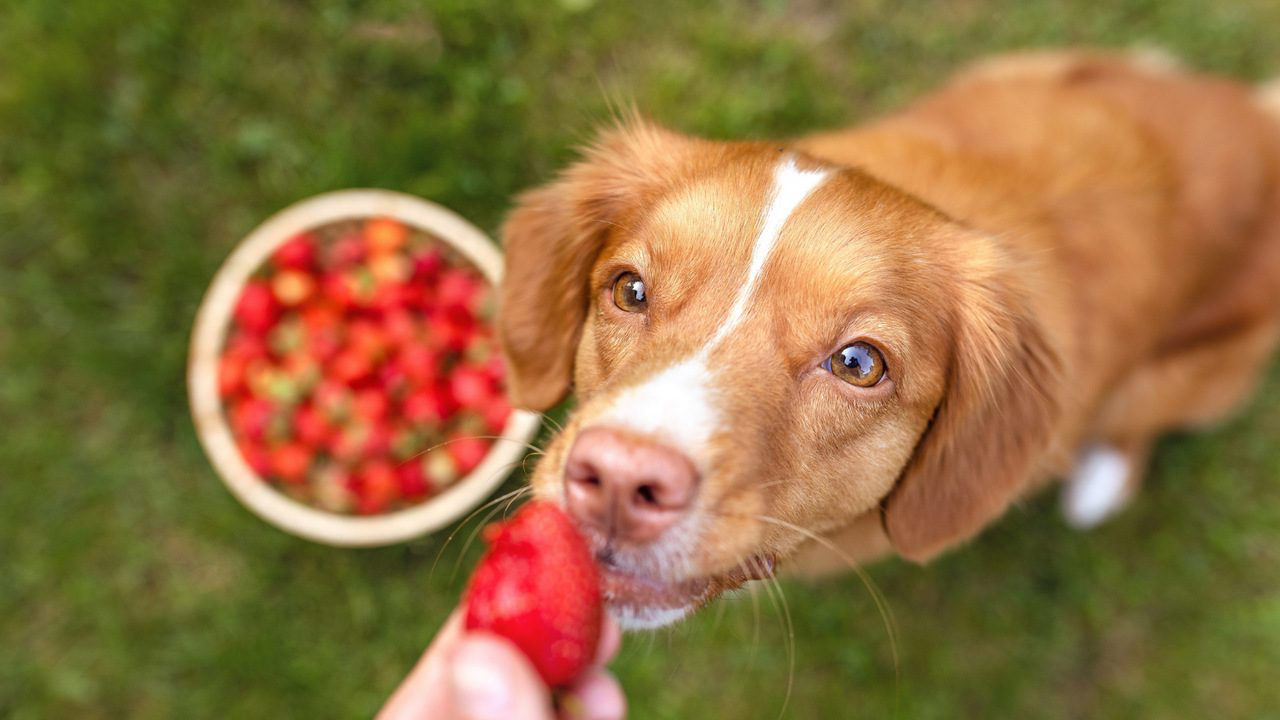
Yes, blueberries can be mixed with other dog-safe fruits. Variety is enjoyed by dogs and provides a broader spectrum of vitamins. Apples (without seeds), strawberries, and watermelon (without seeds or rind) are excellent companions to blueberries.
It is important to avoid toxic fruits such as grapes, raisins, and cherries. When a fruit salad is prepared for a dog, the pieces should be cut to a uniform, small size. This prevents the dog from picking out only the sweet pieces and ensures a balanced intake of the provided mixture.
Table 4: Safe Fruit Combinations For Dogs
| Combination | Benefits | Preparation Notes |
| Blueberry & Apple | High fiber, teeth cleaning | Remove apple seeds/core |
| Blueberry & Pumpkin | Digestion support | Use plain canned pumpkin |
| Blueberry & Watermelon | Hydration | Remove seeds and rind |
| Blueberry & Strawberry | Vitamin C boost | Remove strawberry tops |
| Blueberry & Banana | Potassium, Energy | Limit due to sugar |
Shop Pet Accessories Trusted by Real Pet Owners Everywhere.

 Phasellus rhoncus vulputate eros, ac ultrices magna
Qty: 1$180.00
Phasellus rhoncus vulputate eros, ac ultrices magna
Qty: 1$180.00 Senean a turpis fermentum, accumsan urna a
Qty: 1$115.00
Senean a turpis fermentum, accumsan urna a
Qty: 1$115.00