
-
 Pellentesque scelerisque ex id mauris convallis aliquam
Qty: 1$100.00
Pellentesque scelerisque ex id mauris convallis aliquam
Qty: 1$100.00 -
Nunc nibh elit, mollis nec ornare vel elit
Qty: 1$30.00
-
Pellentesque scelerisque ex id mauris convallis aliquam
Qty: 1$100.00
-
Nunc nibh elit, mollis nec ornare vel elit
Qty: 1$30.00
Can Dogs Eat Ham: Is Ham Good Or Bad For Puppies And Ham Bones Safety
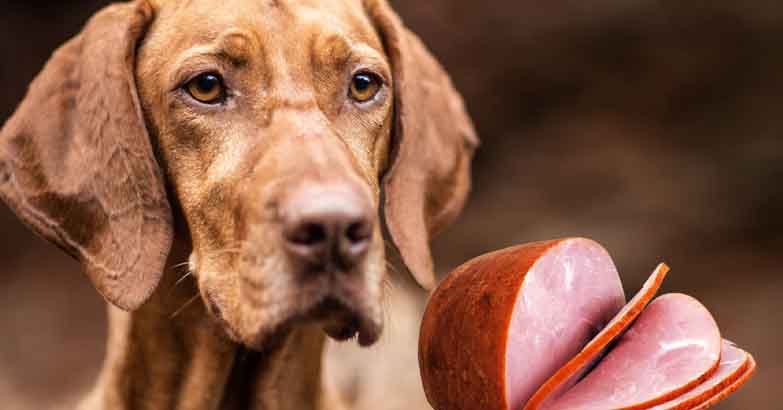
When I see a dog begging for ham, the real worry is not “will it kill them,” it is what processed meat does to a dog’s body. Ham is usually high in salt and fat, and that combination can upset digestion and raise risk for serious issues. In this guide, I’ll answer whether can dogs eat ham at all, what makes it riskier (cooked, glazed, seasoned, or bones), and what I recommend doing step by step if it happened.


Key Takeaways
- Dogs can sometimes have ham in tiny amounts, but it is not a healthy treat.
- The biggest concerns are sodium, fat, and additives in cured and processed meats.
- Cooked ham is not automatically safe, especially if it is glazed or heavily seasoned.
- Puppies should avoid ham because small bodies react faster to salty, rich foods.
- Ham bones are a bigger danger than people expect, mainly because of splintering and injury risk.
- If your dog ate ham, focus on watching symptoms and deciding when veterinary care is needed.
- Better alternatives are plain, unseasoned proteins and vet-approved dog treats.
- Breed does not change the core nutritional risks, but smaller dogs can be more sensitive to salt.
Table of Contents
Can Dogs Eat Ham
If you mean a tiny taste of plain ham, it is usually not considered “toxic” in the way some foods are. But I still do not recommend making ham a regular treat because it is processed, salty, and fatty.
In practice, the difference between “okay once” and “harmful over time” comes down to portion size, seasoning, and how often your dog gets it. If your dog already eats a complete, balanced dog food, ham is mostly adding salt and fat without meaningful nutrition.
Common Mistakes to Avoid
- Treating ham like a normal chew or daily snack
- Sharing glazed ham (sweet sauces often add extra salt and fat)
- Ignoring symptoms because “it was only a little”
What To Look For
- Is the ham plain or heavily seasoned
- Did your dog eat a bite or an amount
- Does your dog have a history of pancreatitis, vomiting, or sensitive digestion
Expert Tip: If you want a meat treat, choose something you can control: plain, cooked meat with no seasoning. Then keep the portion small.
Is Ham Safe For Dogs?
“Safe” for dogs usually means low risk when given very rarely and in a tiny amount, not “safe enough to feed regularly.” So yes, ham is not automatically dangerous in all cases, but it is generally not recommended as a routine food.
Preparation method matters. Plain ham still tends to be salty and fatty. Glazed or seasoned ham increases risk because seasoning can add more salt and sometimes other ingredients that irritate digestion.
Here is a simple way I think about it:
- Less risky: tiny taste of plain, unseasoned-ish ham
- More risky: glazed, peppery, smoky, or “holiday ham” style with lots of toppings
- Not recommended: any use of ham to “replace” dog food or to fuel daily feeding
Ham Type Risk Snapshot
| Ham Version | Why It’s Riskier | Main Concern | Owner Takeaway |
|---|---|---|---|
| Plain deli ham / plain ham | Often high sodium and fat | Dehydration, GI upset | Rare tiny taste only |
| Glazed ham / holiday ham | Extra salt, sugar, flavorings | Upset digestion | Avoid sharing |
| Deli ham with herbs/spice | Additives can irritate | Vomiting or diarrhea risk | Skip and choose safer treats |
| Ham as a meal substitute | Too much salt/fat | Ongoing imbalance | Keep ham off the daily menu |
Fact-check (what I’m confident about): Processed cured meats are typically high in salt and often rich in fat, and that combination is a common recipe for GI upset in pets. The exact risk level can vary by dog size and health history.


Is Ham Good For Dogs?
Ham is protein, but it does not automatically mean “healthy.” In my view, ham is the kind of food where the label can make you think it is useful, but the whole nutritional profile matters more than “has protein.”
Why ham falls short:
- It is usually high in sodium
- It is usually higher in fat
- It often includes curing agents and additives
- It does not replace the balance of a complete dog diet
So even if ham has protein, it can still be a poor treat choice compared with lean, plain proteins or vet-approved dog treats.
Protein vs Treat Reality Check
| “Good for dogs” idea | What ham actually provides | What can go wrong | Better swap |
|---|---|---|---|
| “It has protein” | Yes, but processed | Too much salt and fat | Plain cooked chicken or turkey |
| “It’s small amounts” | Still often salty | Repeated GI upset | Tiny treat, not daily |
| “Cooked means safer” | Cooking changes texture | Seasoning and fat remain | Plain unseasoned meat |
| “My dog seems fine” | Short-term tolerance | Longer-term imbalance | Stick to dog-safe treats |
Buyer Beware: If your dog is getting ham often, the “fine so far” phase can end quickly once digestion or pancreas stress builds up.
Is Ham Bad For Dogs?
Ham is not the “one bite panic” food for every dog, but it can be bad in the practical sense: it is processed, usually salty, and often too rich for a dog’s system when it becomes habitual. Veterinarians commonly discourage processed meat treats because pets can react with vomiting, diarrhea, and other GI problems.
A common pattern I see with owners: they start with “just a taste,” then it becomes “a little more,” then it becomes “every day.” That is where the risk changes from mild to meaningful.
Why Processed Meat Can Trigger Problems
Processed meats can contribute to:
- Obesity risk from extra calories
- Dehydration risk from high salt
- Gastrointestinal upset (vomiting or diarrhea)
- Pancreas stress because high-fat foods can be a trigger for pancreatitis in some dogs
What to do instead: If you want a meat-based treat, choose a preparation you can control: unseasoned and portioned.
Why Is Ham Bad For Dogs?
Sodium concentration: Cured meats tend to be salty, and sodium load can strain a dog’s system, especially in small dogs or dogs with underlying health issues.
High fat levels: Fatty foods are a common trigger category for pancreatitis risk in dogs. Not every dog gets pancreatitis from a fat-rich snack, but high-fat foods are enough of a concern that many vets recommend avoiding them as routine treats.
Curing agents and preservatives: Processed meats often include curing agents and preservatives. I do not want to scare you, but these ingredients make ham less “clean nutrition” than plain meat, and they can worsen sensitivity in some dogs.
Can Dogs Eat Cooked Ham?
Cooked ham is not the same as plain, safe dog food. Cooking can reduce certain raw-food risks, but it does not remove:
- salt content
- added sauces
- fat content
- curing ingredients
So the real question is not “is it cooked,” it is how seasoned and how much.
Quick Decision Rule
- If it is plain, unseasoned-ish, and you gave a tiny taste, risk is usually lower.
- If it is glazed, seasoned, smoky, or sauced, I would treat it as a higher-risk snack and avoid.
Here is a practical approach: if you cannot taste it without thinking “this is salty,” your dog probably should not eat it.
ASMR-style step I recommend (calm and simple):
I would pause, breathe, then check the label or memory of seasoning. Next, I would estimate how much your dog got. Then I’d decide whether to watch at home or call your vet based on amount and symptoms.
Can Puppies Eat Ham?
Puppies should generally not eat ham. Their bodies are smaller and their digestive systems are more sensitive to rich, salty foods. Even if an adult dog could tolerate a tiny taste occasionally, a puppy may not.
Also, early diet habits can shape long-term preferences and digestion. If puppies learn that processed salty meats are “normal,” owners may accidentally increase frequency later.
Puppy risk factors
- Smaller body size means any sodium load hits harder
- Puppies are more likely to have sensitive stomachs
- Too-rich foods can trigger GI upset sooner
If you want a puppy-safe treat: stick to puppy-appropriate training treats and plain, unseasoned proteins in very tiny amounts only with vet guidance.
Are Ham Bones Safe For Dogs?
Ham bones are risky. Many people think bones are “natural,” but cooked bones differ from raw ones in a dangerous way. Cooked bones are more likely to splinter, which can cause:
- mouth injuries
- throat or stomach injury
- internal damage that needs urgent treatment
Leftover holiday ham bones are especially dangerous because they are often coated in sauce and seasoning, and that adds extra salt and fat.
Raw vs Cooked Bone Reality
| Bone Situation | Splinter Risk | Extra Risk | What I recommend |
|---|---|---|---|
| Cooked ham bone | Higher | Salt and fat from coating | Avoid giving entirely |
| Raw bone (not ham) | Still risk, but different | Depends on size and handling | Only with vet guidance |
| Soup meat bone leftovers | Higher | Seasonings and grease | Do not offer |
Bone safety and splinter injury risk, suggested expert type: licensed veterinarian or veterinary technician.

How Much Ham Can I Give My Dog?
If you decide to give ham at all, the only “best practice” is: do not make it a habit and keep it truly tiny. Think “a taste,” not “a serving.”
Size, breed, and health condition matter:
- Smaller dogs get less “buffer” against salt and fat
- Dogs with GI sensitivity should be avoided
- Dogs with pancreatitis history should avoid processed rich meats
Portion Guidance (Owner-Friendly)
| Amount you gave | What it means | Main concern | What to do next |
|---|---|---|---|
| Tiny taste | One lick or bite | Mild GI irritation | Monitor for 6 to 24 hours |
| Small treat piece | Small chunk, repeated | Higher sodium load | Avoid repeating and watch closely |
| “More than a taste” | Meal-sized share | Meaningful risk | Call your vet for advice |
| Daily portions | Regular feeding | Long-term stress | Stop and switch to safer treats |
Buyer Beware: Ham should never replace balanced dog food. If it is becoming part of the routine, the “ham vs no ham” question turns into a bigger nutrition problem.
Is Two Slices Of Ham A Day Bad For A Dog?
Yes, for most dogs, two slices a day is a problem. The key issue is not only that it is ham, it is that it becomes cumulative.
- Sodium load adds up fast with daily cured meat
- Fat intake increases calorie surplus
- GI upset becomes more likely over time
- Even “small” amounts can trigger issues if a dog is small or sensitive
I would not frame it as “maybe okay.” I would treat daily ham as a reason to change course now.
What To Do If Your Dog Eats Ham?
If your dog ate ham, I recommend staying calm and switching into a simple plan.
ASMR-style decision flow (quick and practical)
First, I would estimate how much was eaten.
Next, I would ask: was it plain or glazed/seasoned?
Then, I would check your dog’s current behavior and start symptom monitoring.
If your dog seems normal and the portion was truly tiny, home monitoring may be reasonable. If there were multiple slices, if it was heavily seasoned, or if your dog has symptoms, contact a veterinarian.
Branching Quiz (Next-Step Selector)
Answer these questions in order. Each choice tells you what to do next.
1) About how much ham did your dog eat?
A. A taste or one small bite
B. About one slice
C. Two or more slices, or unknown amount
2) Was the ham glazed or heavily seasoned?
A. Plain-ish
B. Glazed, sauced, or very salty-looking
3) Is your dog showing symptoms right now?
A. No symptoms
B. Vomiting or diarrhea
C. Lethargy, heavy thirst, or repeated vomiting
Choose your path:
- If 1A + 2A + 3A: Monitor at home and keep water available. Do not offer more ham.
- If 1B or 2B even with 3A: I would still call your vet or a poison support line for individualized guidance.
- If 3B or 3C: Contact your veterinarian promptly. Do not wait for symptoms to “pass.”
- If amount is C and/or your dog is small: Treat it as higher urgency and call quickly.
Expert Tip: When you call, be ready with the ham type, estimated amount, and your dog’s weight. That speeds up safe advice.

What Symptoms To Watch For If Your Dog Eats Ham?
Watch closely for the first day, and especially in the hours after eating.
| Symptom | What it might suggest | What to do |
|---|---|---|
| Vomiting | GI irritation or overeating fat/salt | Offer no more food; monitor and call vet if it continues |
| Diarrhea | Digestive upset | Track frequency; call if persistent |
| Excessive thirst | Possible salt load effect | Ensure fresh water; call if severe or ongoing |
| Lethargy | Can signal systemic upset | Contact your vet |
| Abdominal pain or distress | Possible GI or pancreas irritation | Get veterinary guidance urgently |
| Repeated refusal to eat | Not just “a stomach bug” | Contact vet if it lasts beyond a few hours |
These symptoms do not diagnose the cause by themselves. They help you decide urgency.
When To Contact Your Veterinarian?
Contact your veterinarian sooner when:
- Your dog ate more than a tiny taste
- The ham was glazed or heavily seasoned
- Your dog is a puppy, senior, or small breed
- Your dog has medical conditions (especially GI issues or a pancreatitis history)
- Symptoms appear and worsen
Urgency rule I follow: If you see repeated vomiting, weakness, severe pain, or your dog is acting very “off,” do not wait for the next meal.
If you are unsure, it is still okay to call. Veterinarians would rather advise early than treat complications later.
What Are Potential Safer Alternatives To Ham?
If your goal is a savory treat that feels special, safer options are usually:
- plain, cooked chicken or turkey (no seasoning)
- small portions of unseasoned lean beef (occasional)
- veterinarian-approved commercial treats
The best alternatives are the ones that let you control salt, fat, and ingredients.
Ham Swaps (Practical Options)
| Alternative | How to prepare | Treat mindset | Notes |
|---|---|---|---|
| Plain chicken | Cook and cool | Tiny training treat | No salt, no sauce |
| Plain turkey | Cook and cool | Occasional nibble | Keep portions small |
| Lean beef | Cook plainly | Rare reward | Avoid added oils |
| Vet-approved treats | Follow label | Daily-safe (within reason) | Choose age and size fit |
CTA: If you want an easy option, consider exploring our carefully selected healthy dog treat options designed for balanced nutrition and safe indulgence.
Shop Pet Accessories Trusted by Real Pet Owners Everywhere.


Are French Bulldogs And German Shepherds Allowed To Have Ham?
Breed does not change the core nutritional risks. Ham can still be high in sodium and fat for any dog, and that matters.
What does differ:
- Smaller breeds can feel the impact of salt sooner
- Individual tolerance varies based on health history
- Some dogs are more sensitive to rich foods
So instead of “allowed vs not allowed,” I treat it like: how much can your specific dog safely handle without symptoms or repeated exposures? For most owners, the safest approach is still “avoid ham” or keep it to a rare tiny taste only.
Frequently Asked Questions About Can Dogs Eat Ham
Can Dogs Eat Ham Safely?
In many cases, a tiny taste is unlikely to cause major harm, but ham is not a healthy treat and should not be fed regularly. The safest approach is to avoid glazed or heavily seasoned ham and to prioritize plain, unseasoned proteins instead.
If your dog ate ham and you notice symptoms like vomiting or diarrhea, contact your veterinarian and do not keep offering more human foods.
What Makes Ham Unsafe For Dogs?
Ham becomes unsafe mainly because it is processed and rich. High sodium can upset digestion and contribute to dehydration risk, and fat can be a trigger category for serious digestive problems in some dogs. Additives and seasonings in cured meats can also irritate sensitive stomachs.
Even when ham is not “toxic” in the dramatic sense, it is still a poor routine food choice for most dogs.