
Can I Feed My Dog Raw Meat From The Supermarket Selecting Safe Food?
The trend of raw feeding is growing among pet owners who want the best for their furry friends. Many people wonder if they can simply pick up ingredients during their own grocery run. If you are asking can i feed my dog raw meat from the supermarket then you are likely looking for a convenient way to boost your pets health. This guide explores the safety and practical steps for using grocery store meat in a raw dog diet.

Key Takeaways
Grocery store meat is intended for human cooking and may contain higher bacteria levels than pre-made raw dog food.
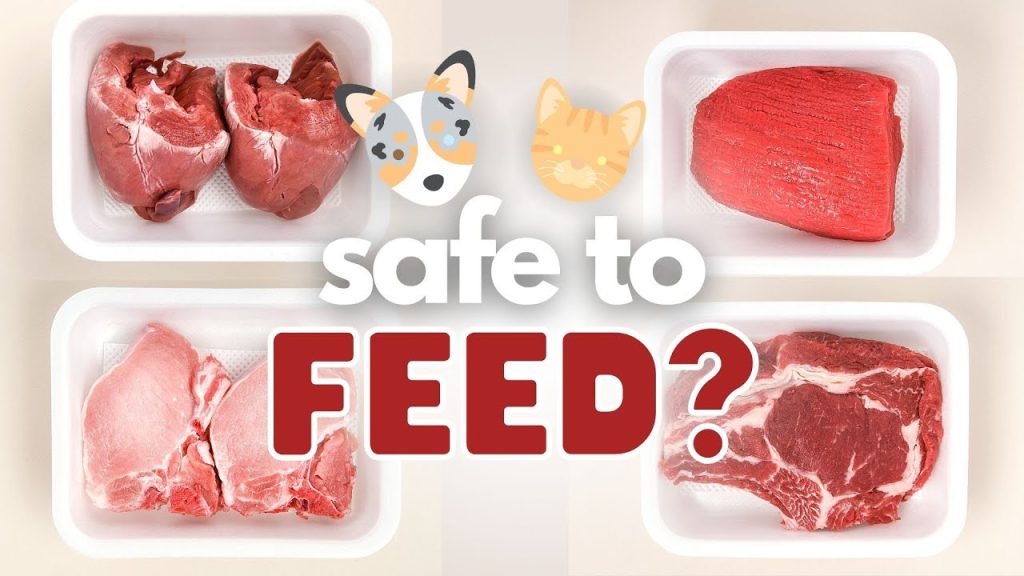
Beef and lamb are generally safer supermarket options compared to poultry or ground meats.
Proper hygiene and freezing techniques are required to reduce the risk of parasites.
Supermarket meats lack the calcium and organ meat ratios needed for a balanced meal.
Always avoid meats that have been enhanced with sodium, seasonings, or preservatives.
Consult a veterinarian before transitioning a dog with a compromised immune system.
Ground meat from the grocery store has more surface area for bacterial growth.
Table of Contents
Can I Feed My Dog Raw Meat From The Supermarket?
Yes. You can feed your dog raw meat from the supermarket, but it is not as simple as dropping a steak into their bowl. The primary concern is that meat sold for humans is expected to be cooked. Because of this expectation, the acceptable levels of bacteria like Salmonella are higher than what might be found in specialized raw pet products.
Many owners choose this route because it is more affordable and accessible. You get to see the quality of the cut and the expiration date yourself. However, the quality of supermarket meat varies significantly between budget stores and high-end butchers. Ground meats are often more risky because the grinding process spreads bacteria throughout the entire batch.
Potential benefits include a shinier coat and improved dental health from chewing. The risks involve foodborne illnesses and nutritional imbalances. If you only feed muscle meat from the store, your dog will miss out on essential minerals. This can lead to long-term bone and joint issues if the diet is not corrected.
Is Raw Meat From The Supermarket Safe For Dogs To Eat?
Yes. It is generally safe if the meat is fresh and handled with extreme care. Most healthy adult dogs have highly acidic stomachs that can handle moderate amounts of bacteria. However, safety depends on how the meat was processed and stored before you bought it.
Proper handling is the most important factor for safety. You should keep the meat frozen for at least three weeks to kill certain parasites. Always thaw meat in the refrigerator rather than on the counter to prevent bacterial blooms. If you want a safer alternative, consider sourcing from a local butcher who can provide fresher cuts with less processing.


What Are The Risks Of Feeding My Dog Raw Meat From The Supermarket?
The biggest risk involves the presence of pathogens like Salmonella, Listeria, and E. coli. According to the Centers for Disease Control and Prevention, these bacteria can cause severe illness in both dogs and the humans who handle them. Since supermarket meat is not “pathogen-reduced” like some commercial raw dog foods, the risk of infection is higher.
Another risk is the inclusion of additives. Many grocery store meats are injected with a saline solution to keep them plump. This extra salt can be hard on a dog’s kidneys. You also run the risk of nutritional deficiencies. A dog needs a specific ratio of bone, organ, and muscle meat to thrive over a long period.
| Meat Type | Primary Bacterial Risk | Level of Risk |
| Whole Chicken | Salmonella / Campylobacter | High |
| Ground Beef | E. Coli | High |
| Beef Steak | Surface Bacteria | Moderate |
| Lamb Chops | Parasites | Moderate |
| Pork | Trichinosis (Rare) | Moderate |
How Do I Safely Feed My Dog Raw Meat From The Supermarket?
To feed raw meat safely, you must maintain a “cold chain” from the store to your home. Use an insulated bag for transport. Once home, the meat should be portioned and frozen immediately. This helps in managing the bacterial load and makes daily feeding much easier for you.
Hygiene is the next step. Every surface that touches the raw meat must be disinfected with a pet-safe cleaner. Do not let your dog lick your face after they eat raw meat. This prevents the transfer of bacteria from their mouth to your system. Always check the labels for “enhanced” meat, which signifies added salt or flavorings.
Safety Preparation Checklist
Check the “Use By” date carefully.
Avoid packages with excess liquid or “purge.”
Freeze all meat for 21 days before feeding.
Use separate cutting boards for pet food.
Wash dog bowls with hot soapy water after every meal.
Can Dogs Eat Raw Meat From The Supermarket With Bones?
Yes. Dogs can eat raw meat with bones, but only if the bones are completely raw and appropriate for the dog’s size. Cooked bones are never safe because they become brittle and can splinter. This leads to internal punctures or emergency surgeries which are very expensive.
The risk with raw bones includes dental fractures and choking. Large “recreational” bones like beef femurs are very hard and can break teeth. Soft “edible” bones like chicken necks or wings are better for beginners. Always supervise your dog while they are chewing on a bone to ensure they do not try to swallow a large piece whole.
| Bone Type | Safety Status | Best For |
| Chicken Necks | Very Safe | Small to Medium Dogs |
| Beef Ribs | Safe | Medium to Large Dogs |
| Cooked Bones | Dangerous | No Dogs |
| Large Marrow Bones | Use Caution | Powerful Chewers |
| Chicken Wings | Safe | All Dog Sizes |
What Are The Best Raw Meats For Dogs From The Supermarket?
The best raw meats are those that are lean and minimally processed. Lean beef, such as top round or stew meat, is an excellent choice for most dogs. It provides high-quality protein and essential amino acids. Lamb is another great option, especially for dogs with allergies to more common proteins.
Avoid fatty cuts of meat or trimmings. High fat intake can trigger pancreatitis in dogs, which is a painful and life-threatening condition. Look for meat that is labeled as “natural” or “organic” to ensure it is free from antibiotics and hormones. These options are more expensive but are much better for the long-term health of your pet.
Can My Dog Eat Raw Chicken From The Supermarket?
Yes. Dogs can eat raw chicken, but it carries the highest risk of Salmonella contamination. Chicken is a very affordable protein source, making it a staple for many raw feeders. It is also highly digestible for most dogs and provides a good balance of protein and fat.
To feed it safely, you should remove the skin if your dog is overweight. Be extra cautious with the juices in the package, as they are often teeming with bacteria. Many owners prefer to use chicken quarters because they include the bone, which provides necessary calcium. Ensure the chicken has not been “brined” in a salt solution.



Can Dogs Eat Raw Beef From The Supermarket?
Yes. Raw beef is one of the safest and most nutritious options available at the grocery store. It is rich in iron, zinc, and B vitamins. Most dogs find the taste of beef very appealing, which makes it a good choice for picky eaters. Beef heart is also often available and is a great source of taurine.
The hazard with beef is usually limited to surface bacteria. Unlike chicken, bacteria do not usually penetrate deep into the muscle fibers of a solid steak. This makes a quick sear on the outside an option for owners who are nervous about raw feeding. However, for a true raw diet, feeding the meat entirely uncooked is the standard practice.
Can I Feed My Dog Raw Meat From The Supermarket Every Day?
Doubtful. Feeding only raw meat from the supermarket every day will lead to nutritional deficiencies. A piece of steak or chicken breast is not a complete meal. Dogs require organs like liver and kidney, as well as calcium from bones, to stay healthy. A meat-only diet lacks Vitamin D, Vitamin E, and Manganese.
If you want to feed raw every day, you must follow a specific formulation. This is often called the “80-10-10” rule. This means 80 percent muscle meat, 10 percent bone, and 10 percent organ meat. Without this balance, your dog may develop skeletal problems or organ failure over time. It is better to use supermarket meat as a topper rather than the entire meal unless you are an expert.
| Nutrient Needed | Source In Raw Diet | Benefit |
| Calcium | Raw Bones | Bone Strength |
| Vitamin A | Beef Liver | Vision Health |
| Omega-3 | Fatty Fish | Skin and Coat |
| Taurine | Heart Muscle | Heart Function |
| Iron | Red Meat | Blood Health |
Is Raw Dog Food From The Supermarket A Good Option?
Yes. It is a good option for owners on a budget or those who want total control over ingredients. The advantage is the transparency of what goes into the bowl. You can choose the freshest cuts and avoid the fillers found in many kibbles. It also allows you to rotate proteins easily to prevent food sensitivities.
The disadvantage is the time required for preparation. You must spend time portioning, weighing, and cleaning. Specialized raw dog food brands often use High-Pressure Processing to kill bacteria while keeping the food raw. Supermarket meat does not have this safety feature. For many, the peace of mind offered by professional raw brands is worth the extra cost.

What Should I Do If My Dog Eats Bad Raw Meat From The Supermarket?
If your dog eats spoiled or contaminated meat, the first step is to stay calm. Monitor them closely for the next 24 to 48 hours. Most healthy dogs have a very fast digestive transit time. This means they often pass the offending food before it can cause major issues. However, if they have a weak immune system, you should call a vet immediately.
Symptoms of food poisoning include lethargy, loss of appetite, and severe abdominal pain. Do not try to induce vomiting unless specifically told to do so by a professional. Provide plenty of fresh water to prevent dehydration. If the symptoms persist for more than 12 hours, a veterinary visit is necessary to check for dehydration and infection.
What Happens If My Dog Eats Raw Meat From The Supermarket?
Usually, nothing bad happens if the meat was fresh. Your dog will likely enjoy the meal and feel satisfied. In the short term, you might notice a change in their stool. Raw-fed dogs generally have smaller, firmer stools because they are absorbing more of the nutrients in their food.
However, if the meat was contaminated, your dog might experience vomiting or diarrhea. You should also be aware of the “shedding” risk. Even if your dog does not get sick, they can shed Salmonella in their feces for weeks. This poses a risk to children, the elderly, or anyone in the house with a weakened immune system.
What Are The Health Benefits Of A Raw Meat Diet For Dogs?
Many owners report significant improvements in their dog’s vitality after switching to raw. One of the most noticeable benefits is a shiny, soft coat. This is due to the natural fats and high-quality protein found in fresh meat. Digestion often improves, leading to less gas and smaller “waste” to clean up in the yard.
According to a study published by the National Institutes of Health, raw diets can lead to better weight management. Because raw food is calorie-dense and lacks fillers, dogs stay fuller for longer. Dental health is also a major plus. Chewing through muscle and soft bone acts as a natural toothbrush, reducing plaque and tartar buildup.
Can I Mix Raw Meat From The Supermarket With Commercial Dog Food?
Yes. Mixing raw meat with kibble is a popular way to “boost” a commercial diet. It provides fresh enzymes and proteins that are lost during the high-heat processing of kibble. This can make the meal much more enticing for a dog that has grown bored with their standard food.
However, there is a debate about digestion times. Some experts believe that kibble and raw meat digest at different rates, which might cause an upset stomach. To be safe, you should start with small amounts. Ensure the total caloric intake remains the same so your dog does not gain excess weight.
| Feeding Method | Pros | Cons |
| 100% Supermarket Raw | High Control | Hard to Balance |
| Kibble + Raw Topper | Easy & Nutritious | Potential G.I. Upset |
| Commercial Raw | Very Safe | Expensive |
| Home Cooked | No Bacteria Risk | Loss of Enzymes |
| Standard Kibble | Convenient | Low Moisture |
How To Transition My Dog To A Raw Meat Diet From The Supermarket?
The transition should be slow and steady. Start by offering a small piece of raw meat as a treat. If your dog handles it well, you can replace 25 percent of their meal with raw meat for a few days. Gradually increase the raw portion while decreasing the old food over a period of 7 to 10 days.
During the transition, monitor their stool closely. It is normal to see some mucus or slight changes in consistency. If your dog experiences projectile diarrhea or repeated vomiting, stop the transition and consult a professional. Adding a probiotic during this phase can help the digestive system adapt to the new enzyme requirements of raw meat.

Frequently Asked Questions About Can I Feed My Dog Raw Meat From The Supermarket
Can I Feed My Dog Raw Meat From The Supermarket If It’s Fresh
Yes. Freshness is the most critical factor in reducing the risk of illness. Meat that is close to its expiration date has a much higher bacterial load. Always pick the packages from the back of the shelf, as these are usually the newest arrivals. If the meat smells “off” or looks grey, do not feed it to your dog even if you plan to wash it.
Is Raw Meat From The Supermarket Safe For Dogs To Eat Regularly?
Yes. It is safe for regular consumption provided that you are balancing the nutrients correctly. Feeding only muscle meat regularly will cause a calcium-phosphorus imbalance. This is especially dangerous for growing puppies. To make it safe for long-term use, you must incorporate organ meats and a calcium source like bone meal or crushed eggshells.
According to the U.S. Food and Drug Administration, the risk of salmonella is a significant concern for the whole family. If you feed raw regularly, you must be disciplined about cleaning. This includes washing the dog’s muzzle and your own hands after every feeding session. Regular vet checkups and fecal exams are also recommended for dogs on a long-term raw diet.