
Will A Dog With Congestive Heart Failure Die Peacefully With CHF Signs?
Facing a diagnosis of heart disease in a beloved pet is an emotionally heavy journey for any owner. When a dog is diagnosed with this condition, the most common question asked is whether the final moments will be calm. It is natural to worry about the comfort of your companion as the disease progresses through its various stages. Understanding the clinical progression of the illness allows you to make informed decisions that prioritize the well-being of your pet. By focusing on palliative care and monitoring specific indicators, you can ensure that the transition is handled with dignity and minimal distress.


Key Takeaways
Recognize that peaceful passing is often achieved through proactive veterinary intervention and euthanasia.
Monitor resting respiratory rates daily to track the progression of fluid buildup in the lungs.
Consult with a veterinarian about oxygen therapy and diuretics to manage breathing difficulties at home.
Use a formal Quality of Life scale to remove emotional bias from the decision-making process.
Understand that untreated heart failure can lead to respiratory distress, which is not a peaceful experience.
Prepare an end of life plan early to avoid making rushed decisions during an emergency crisis.
Evaluate the benefits of in-home euthanasia to provide a familiar and quiet environment for your dog.
Stay informed about the stages of the disease to adjust medication dosages as heart function declines.
Table of Contents
Will A Dog With Congestive Heart Failure Die Peacefully?
Whether a dog with heart failure passes away quietly depends largely on the management of their symptoms and the timing of end of life care. In a natural setting without medical intervention, the process may involve significant struggle because the heart can no longer pump blood efficiently. This inefficiency leads to fluid accumulation in the lungs, which is a condition known as pulmonary edema. When this occurs, the dog may experience a sensation similar to drowning, which is inherently stressful and not peaceful.
However, a peaceful death is highly achievable when pet owners work closely with veterinary professionals to manage the condition. Most dogs with this ailment are given a gentle transition through elective euthanasia before the symptoms become overwhelming. This medical procedure ensures that the dog falls into a deep sleep before the heart stops, removing any possibility of pain or air hunger. Peace is maintained by preventing the crisis stage of the disease through careful observation and timely action.
Many factors influence the final experience, including the specific type of heart defect and the response to diuretic medications. If the heart failure is caught early and managed with drugs like furosemide, the dog can live comfortably for a long period. The goal of every care plan is to ensure that the dog never reaches a point of gasping for air. By choosing the right moment for a guided passing, you provide your dog with the peaceful ending they deserve.
Is Congestive Heart Failure In Dogs A Painful Death?
Congestive heart failure is generally described by veterinarians as a condition of discomfort and anxiety rather than sharp, physical pain. The primary source of distress in the final stages is the inability to breathe properly. This lack of oxygen creates a state of panic in the animal, which is often interpreted by owners as suffering. While the heart muscle itself does not typically hurt, the pressure in the chest and the effort required to inhale can be exhausting.
Palliative care plays a crucial role in mitigating this discomfort during the final weeks of life. Medications are used to pull fluid away from the lungs and to strengthen the contractions of the heart. Sedatives may also be prescribed by a veterinarian to reduce the anxiety associated with labored breathing. According to the [suspicious link removed], providing a comfortable environment and managing these symptoms are the pillars of animal welfare.
If the condition is left to run its course without any medical support, the death can be distressing for both the dog and the observer. The struggle for breath is a physiological response that triggers a high-stress “fight or flight” mode in the dog’s nervous system. To ensure the passing is not painful, it is essential to monitor for signs of “air hunger” and intervene before the dog loses the ability to rest quietly.


When To Euthanize A Dog With Heart Failure
Deciding when to say goodbye is the most difficult responsibility a pet owner faces. The right time is usually defined by the dog’s inability to find comfort even while at rest. If your dog is no longer able to sleep through the night because they must sit up to breathe, their quality of life has significantly declined. Veterinary experts often suggest that it is better to act a week too early than a minute too late in cases of respiratory failure.
The decision involves balancing medical facts with the emotional bond you share with your pet. Ethical considerations suggest that preventing future suffering is an act of mercy. When the bad days consistently outnumber the good days, the choice for euthanasia becomes a final gift of comfort. You should consider the procedure if your dog stops eating, loses interest in family interactions, or experiences frequent fainting spells.
| Indicator | Stable Condition | Transition Period | Time To Consider Euthanasia |
| Breathing Rate | Under 30 breaths per minute | 35 to 50 breaths per minute | Constant panting or gasping |
| Appetite | Healthy and eager | Picky or slow to eat | Complete refusal of food |
| Mobility | Walks comfortably | Tires easily on short walks | Unable to stand or walk |
| Engagement | Greets owners at the door | Watches from a distance | No response to surroundings |
| Sleep Quality | Sleeps flat on side | Must sleep with chest elevated | Cannot sleep due to coughing |
What Happens During Dog Euthanasia And Does It Hurt?
The euthanasia process is designed to be entirely painless and is performed with the utmost respect for the animal. It begins with the administration of a sedative or a heavy anesthetic, which is usually given via an injection. This initial step allows the dog to drift into a profound, unconscious sleep within a few minutes. During this stage, the dog loses all awareness of their surroundings and any physical discomfort they were previously feeling.
Once the dog is fully anesthetized, the veterinarian administers the final medication, which is typically a concentrated barbiturate. This solution quickly stops the function of the brain and then the heart. Because the dog is already in a deep state of anesthesia, they do not feel any sensation as the heart stops. The entire procedure is often described by owners as very quiet and peaceful, resembling a natural falling asleep.
Veterinarians take several steps to ensure comfort, such as placing an intravenous catheter to make the delivery of medication smooth. You are usually encouraged to stay in the room and hold your dog’s paw or head during the process. This presence can be soothing for the pet during the initial sedation phase. The transition happens so quickly that many owners find a sense of relief knowing their pet is no longer struggling to breathe.
How To Tell When Your Dog With CHF Is Near The End?
Recognizing the final stage of heart failure requires diligent observation of physical and behavioral changes. One of the most reliable signs is a persistent increase in the resting respiratory rate that does not respond to medication. If you notice that your dog’s gums have turned a bluish or greyish tint, this indicates a severe lack of oxygen in the bloodstream. This is a critical sign that the heart is no longer able to meet the body’s basic needs.
Behavioral shifts also provide clues that the end is near. Many dogs will seek isolation or become unusually clingy as their physical strength fails. You might notice a significant decrease in body temperature, especially in the paws and ears, as the circulation slows down. For more information on clinical indicators, you can refer to research published by the Cornell University College of Veterinary Medicine.


What Is the Quality of Life Scale for Dogs?
The Quality of Life Scale, often referred to as the HHHHHMM scale, is a clinical tool used to assess a pet’s well-being. It evaluates seven different categories: Hurt, Hunger, Hydration, Hygiene, Happiness, Mobility, and More Good Days than Bad. Each category is assigned a score from zero to ten. A total score is then calculated to determine if the dog’s life is still providing them with more joy than burden.
Using this scale helps pet owners move away from purely emotional decisions and toward objective assessments. It provides a framework for discussing the dog’s health with a veterinarian. If the score falls below a certain threshold, it serves as a clear indicator that the animal is suffering. This objective data can provide great comfort to owners who are struggling with the guilt of making the final call.
Signs Of Congestive Heart Failure In Dogs
The early signs of heart failure can be subtle and are often mistaken for normal aging. A persistent cough, especially after exercise or when the dog first wakes up, is one of the most common initial indicators. This cough is caused by the heart enlarging and pressing against the trachea, or by early fluid buildup. You may also notice that your dog becomes winded after activities that were previously easy for them.
Recognizing these early indicators allows for faster medical intervention, which can extend the dog’s life by months or years. Some dogs may exhibit a “pot-bellied” appearance due to fluid accumulation in the abdomen, a condition known as ascites. If you see your dog pacing at night or being unable to settle down, it may be because their heart is struggling to function while they are lying flat.
| Early Symptom | Description | Management Step |
| Mild Coughing | Occasional dry hacking sound | Schedule a veterinary exam |
| Reduced Stamina | Stopping during walks | Limit strenuous activity |
| Increased Respiratory Effort | Visible chest movement at rest | Count breaths per minute |
| Restlessness | Frequent repositioning at night | Provide orthopedic bedding |
| Weight Changes | Sudden loss or gain (fluid) | Monitor weight weekly |
Stages Of Congestive Heart Failure In Dogs
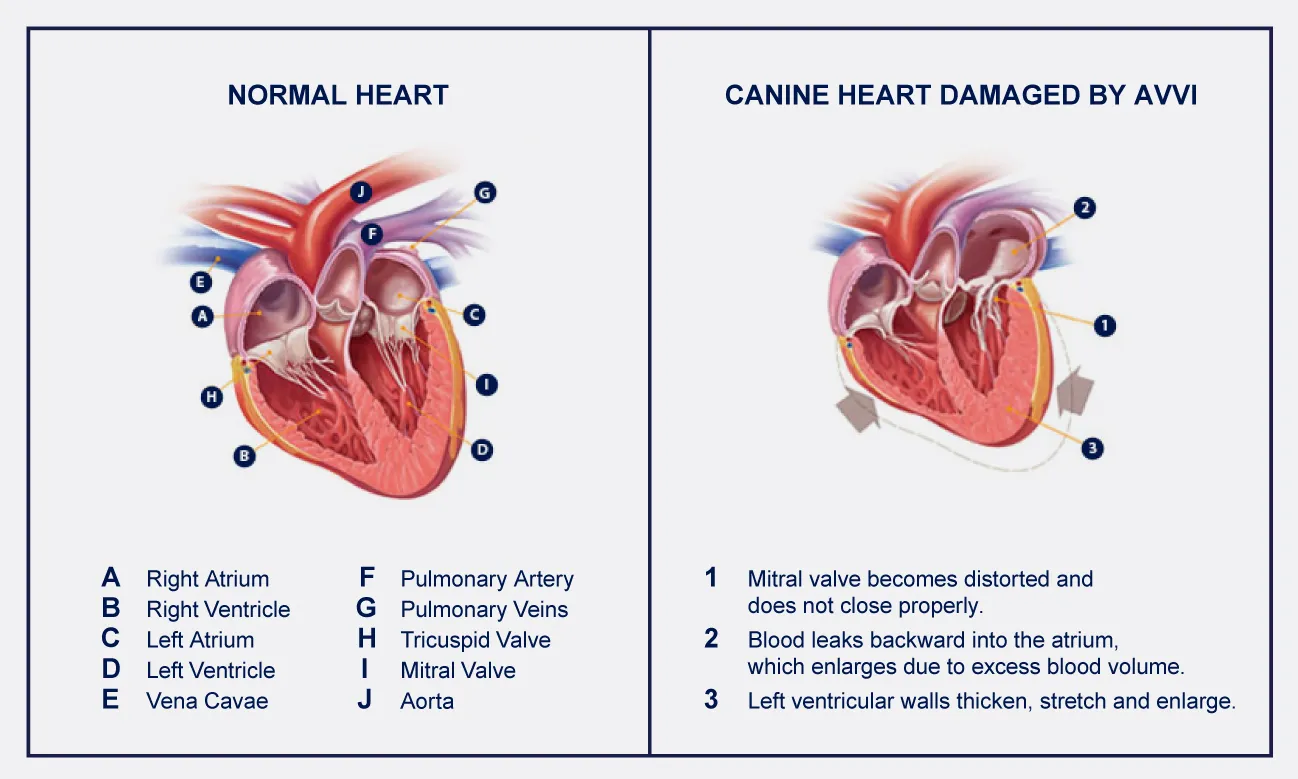
Congestive heart failure is classified into four main stages by the American College of Veterinary Internal Medicine. In Stage A, the dog is at high risk for developing heart disease but shows no structural changes. Stage B involves structural changes, such as a heart murmur, but no outward symptoms are present. During Stage C, the dog begins to show visible signs of failure, and medical treatment is usually initiated to manage the condition.
Stage D is the final and most severe phase of the disease. In this stage, the symptoms are no longer managed easily by standard doses of medication. The heart has become significantly weakened, and the body is struggling to compensate. Understanding these stages helps you prepare for the gradual decline and know when to escalate care. Each stage requires a different level of monitoring and a different combination of medications.
Signs Of Heart Failure In Dogs At The End Of Life
As a dog approaches the very end of their life with heart failure, the symptoms become impossible to ignore. A significant sign is the presence of “pink frothy sputum,” which is a mixture of fluid and blood coughed up from the lungs. This indicates that the pulmonary edema has reached a critical level. The dog may also experience frequent fainting episodes, known as syncope, because the brain is not receiving enough oxygenated blood.
During these final hours, the dog’s heart rate may become very irregular or exceptionally fast. The effort to breathe will involve the whole body, with the neck extended and the elbows pushed out to expand the chest. At this point, the dog is in a state of crisis. Immediate action is required to ensure that the dog does not pass away in a state of panic or extreme physical struggle.
When Should I Rush My Dog To Emergency Care For CHF?
Emergency care is required immediately if your dog collapses or is unable to stand. If you observe your dog gasping for air with an open mouth, this is a medical emergency that cannot wait until morning. A purple or blue tongue is a sign of cyanosis and requires an immediate oxygen chamber. Do not attempt to wait for a scheduled appointment if these symptoms appear suddenly.
Sudden, intense coughing that does not stop is another reason for an emergency visit. This often indicates a “flash” pulmonary edema where the lungs fill with fluid very rapidly. Veterinary clinics can provide injectable diuretics and high-concentration oxygen to stabilize the dog. Acting quickly in these moments can buy you more time or allow for a more peaceful euthanasia than a natural death would afford.
How To Care For A Dog With Congestive Heart Failure
Caring for a dog with this condition requires a strict routine and a calm environment. Medication must be given at the same time every day to maintain consistent levels in the bloodstream. Diuretics, ACE inhibitors, and inotropes are the most common drugs used to support the heart. You should also ensure that your dog has easy access to water, as these medications will increase their thirst and urination.
Regular veterinary checkups are essential for monitoring kidney function, which can be affected by heart medications. A low-sodium diet is often recommended to prevent excess fluid retention in the body. Keeping the home cool and stress-free is also important, as heat and excitement put extra strain on a weakened heart. Small, frequent meals may be easier for the dog to digest than one large meal.
How To Say Goodbye To Your Dog At Home
Many owners choose in-home euthanasia to provide a peaceful and familiar setting for their pet’s final moments. Being at home eliminates the stress of a car ride and the anxiety some dogs feel at a veterinary clinic. The dog can remain in their favorite bed, surrounded by the people they love and the scents they find comforting. This environment often leads to a much calmer experience for both the pet and the family.
Mobile veterinarians specialize in these services and provide a very compassionate, unhurried experience. They will often explain each step of the process and allow you as much time as you need to say goodbye. The pros of this method include privacy and the ability for other household pets to see the body, which can help them understand the loss. The only downside is that it may be more expensive than a clinic visit and requires advance scheduling.
| Feature | In-Home Euthanasia | Veterinary Clinic Euthanasia |
| Stress Level | Very Low | Moderate to High |
| Privacy | Complete Privacy | Limited Privacy |
| Cost | Generally Higher | Generally Lower |
| Environment | Familiar and Comforting | Clinical and Professional |
| Availability | Requires Appointment | Emergency Options Available |
Shop Pet Accessories Trusted by Real Pet Owners Everywhere.



How To Say Goodbye To Your Dog At The Clinic
If an emergency occurs, saying goodbye at the clinic is the most responsible choice for the dog’s comfort. Veterinary clinics are equipped to handle sudden crises and can provide immediate relief from distress. To make the experience more peaceful, you can bring your dog’s favorite blanket or a special treat. Most clinics have a dedicated, quiet room designed for these sensitive moments.
You should feel empowered to ask the staff for privacy and to take your time. Many clinics offer paw prints or hair clippings as keepsakes to help with the grieving process. Communication with the veterinary team is key; let them know your preferences regarding your presence during the final injection. They are there to support you just as much as they are there to care for your dog.
How Long Can A Dog Live With Congestive Heart Failure?
The life expectancy of a dog with heart failure varies significantly based on the cause and the stage at diagnosis. Some dogs can live for several years if the condition is managed with modern medications and diet. On average, many dogs live between six months and two years after the onset of clinical symptoms. Factors such as the dog’s age, breed, and overall health will influence this timeline.
Survival time is also impacted by how early the disease is detected. Dogs that are diagnosed in Stage B often have a much better prognosis than those diagnosed in an emergency crisis. Consistent monitoring of the resting respiratory rate is the best way to catch changes early and adjust treatment. For detailed statistics on breed-specific survival rates, you can consult the National Institutes of Health database on animal models.
| Factor | Impact on Survival | Action |
| Early Diagnosis | Increases survival time significantly | Regular heart auscultation |
| Medication Compliance | Critical for maintaining stability | Use a pill organizer |
| Dietary Control | Helps manage fluid levels | Avoid salty treats |
| Co-existing Diseases | May shorten life expectancy | Manage kidney and liver health |
| Breed Genetics | Varies by predisposition | Consult breed-specific health guides |
What Happens When A Dog’s Heart Failure Is Not Treated?
If heart failure is left untreated, the progression of the disease is much faster and significantly more painful. The heart will continue to enlarge, causing more pressure on the lungs and the chest cavity. Fluid will eventually fill the lungs entirely, leading to a state of constant respiratory distress. This lack of treatment results in a lower quality of life and a much higher risk of a traumatic natural death.
Without medication, the heart must work harder and harder to circulate blood, which leads to muscle exhaustion and eventual collapse. Early diagnosis and treatment are not just about extending life, but about ensuring the life that remains is comfortable. Providing medical care is the only way to prevent the frightening symptoms associated with end-stage heart failure.
Frequently Asked Questions About Will A Dog With Congestive Heart Failure Die Peacefully
Will A Dog With Congestive Heart Failure Die Peacefully In Most Cases?
Yes, most dogs will die peacefully because their owners choose euthanasia before the final stage of distress. When a veterinarian performs euthanasia, the dog is put into a deep sleep before the heart stops. This removes the possibility of the dog feeling the sensation of fluid in the lungs. If a dog dies naturally without any medical help, it is less likely to be peaceful due to breathing struggles.
What Happens When It’s Time To Say Goodbye To A Dog With CHF?
When it is time to say goodbye, you will work with your veterinarian to schedule a quiet appointment. The dog is given a sedative to ensure they are relaxed and free from any anxiety. Once the dog is asleep, a final injection is given that allows the heart to stop quietly. This process is very fast and is handled with great compassion by the medical team. You will have the option to stay with your pet or wait in another room.