
Can Dogs Have French Fries Safely Or Should You Avoid Them Completely?
No, dogs should not have french fries regularly. A single plain fry rarely causes a crisis in a healthy medium or large dog, but fries offer zero nutritional value and carry real risks from fat, salt, and hidden seasonings. The danger is not the potato. It is the frying oil, the salt load, and the garlic or onion powder found on many fries. This guide gives you a clear risk framework, a monitoring timeline, and tools to decide what to do next.


Key Takeaways
• A single plain fry is low risk for most healthy dogs, but regular feeding causes weight gain and digestive issues.
• Pancreatitis symptoms appear 12 to 24 hours after fatty food, not immediately.
• Garlic and onion powder damage red blood cells cumulatively, even in small amounts.
• Sweet potato fries are not safer if fried and salted.
• Use the branching quiz below to decide if you should call the vet now.
Table of Contents
Can Dogs Have French Fries
Dogs can ingest a single plain french fry without immediate harm in most cases, but french fries are not suitable food for dogs. The difference between “can” and “should” is important.
A plain fry contains potato, oil, and salt. The potato itself is not toxic. The problem is the preparation method. Frying adds significant fat. Salt adds sodium far beyond canine needs. In my experience, I see two distinct patterns. Some owners report a single dropped fry with no issues. Others share fries regularly because the dog begs, and over months they notice weight gain and softer stools.
French fries provide empty calories. They do not supply protein, vitamins, or minerals in bioavailable forms for dogs. They also train dogs to expect human food, which disrupts balanced diets.
BRANCHING QUIZ: Should I Call the Vet Now?
Question 1: How many fries did your dog eat?
A) 1-2 plain fries -> Go to Question 2
B) Several fries or a handful -> Go to Question 3
C) A whole serving or more -> Call vet now
Question 2: Was there any seasoning?
A) Plain, no salt -> Monitor at home for 24 hours
B) Salted -> Monitor at home, ensure water access
C) Garlic/onion seasoning -> Go to Question 3
Question 3: What is your dog’s size and health status?
A) Large healthy dog -> Monitor closely for 24-48 hours
B) Small dog or has health issues -> Call vet now
Can Dogs Eat French Fries Without Getting Sick?
Sometimes, yes. Risk depends on quantity, dog size, and preparation. A large dog eating one plain fry will likely show no symptoms. A small dog eating a handful of salty fries faces higher risk. Seasonings change the risk completely.
Here is the critical point owners miss. The absence of symptoms in the first hour does not mean safety. Pancreatitis signs typically appear 12 to 24 hours after the fatty meal. Salt toxicity develops over several hours as dehydration progresses. So a dog seems fine at dinner, then vomits the next morning. This delayed onset is why monitoring matters more than the immediate reaction.
Table 1: Portion Size Risk Calculator
| Dog Size | 1-2 Plain Fries | Handful of Fries | Seasoned Fries |
|---|---|---|---|
| Small (under 20 lbs) | Low-Moderate | Moderate-High | High |
| Medium (20-60 lbs) | Low | Moderate | Moderate-High |
| Large (over 60 lbs) | Low | Low-Moderate | Moderate |


Can Dogs Have Sweet Potato Fries Instead?
Sweet potato fries are not a safe swap if they are fried and salted. The confusion comes from the fact that plain sweet potato can be healthy for dogs in moderation. Frying eliminates the benefit.
White potato fries and sweet potato fries share identical problems when fried: high fat from oil and high sodium from salt. Sweet potatoes contain more fiber and beta-carotene than white potatoes, but frying destroys much of the benefit and adds the same risks.
A safer alternative is plain cooked sweet potato with no oil, salt, butter, or seasoning. Small cubes of baked or boiled sweet potato can be an occasional treat. But sweet potato fries from a restaurant or bag are still fried and salted. They belong in the same risk category as regular fries.
Table 2: White Potato Fries vs Sweet Potato Fries vs Plain Cooked Sweet Potato
| Form | Fat Content | Sodium | Seasoning Risk | Suitability |
|---|---|---|---|---|
| White potato fries | High | High | Often present | Not recommended |
| Sweet potato fries | High | High | Often present | Not recommended |
| Plain cooked sweet potato | Low | Low | None | Occasional treat |
Are French Fries Unhealthy For Dogs?
Yes. French fries are unhealthy for dogs because of fat, sodium, and empty calories. Each factor creates a different problem.
Fat content in fries is high due to frying oil. Dogs do not process large fat loads efficiently. A sudden spike in dietary fat can inflame the pancreas. Even without pancreatitis, regular fatty treats contribute to weight gain. Obesity increases risk for joint problems, diabetes, and cardiovascular strain.
Sodium is the second issue. A dog’s sodium requirement is much lower than a human’s. Heavily salted fries contribute to excessive thirst and, in large amounts, sodium ion poisoning. This is rare from a few fries but possible with large portions.
Empty calories are the third issue. Fries fill a dog with calories that do not support muscle, coat, or organ health. Over time, this displaces nutritionally complete food. Owners who share fries regularly report dogs begging more, eating less kibble, and gaining weight slowly.
FACT-CHECK: Common Myths vs. Reality
| Myth | Reality | Source |
|---|---|---|
| Sweet potato fries are safe | Not if fried and salted | Veterinary nutrition guidelines |
| A little salt is fine for dogs | Dogs need far less sodium than humans | ASPCA pet care resources |
| If no symptoms in 1 hour, dog is fine | Pancreatitis signs appear 12-24 hours later | Veterinary clinical observations |
Can French Fries Cause Pancreatitis In Dogs?
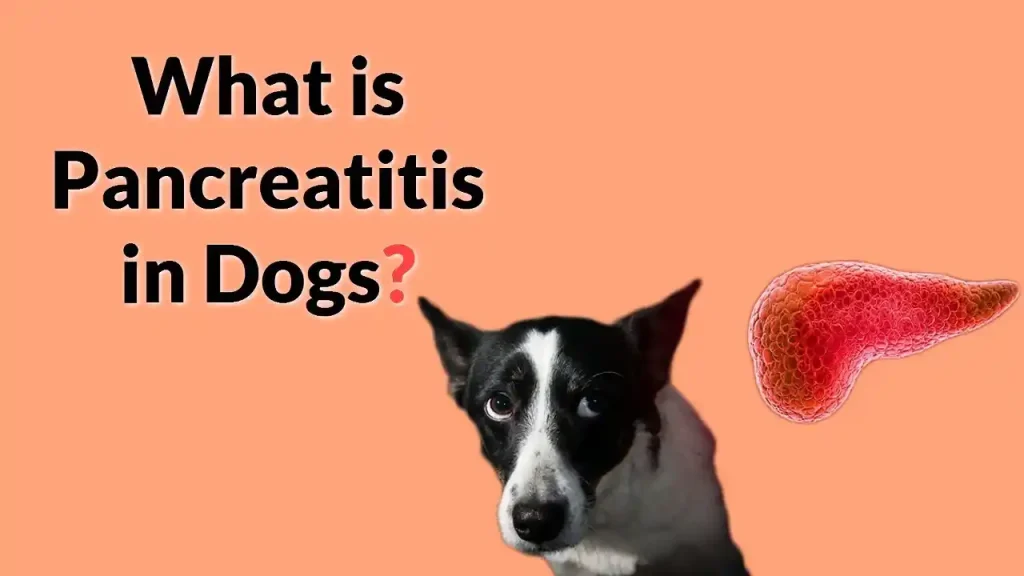
Yes, greasy foods like french fries can trigger pancreatitis. Pancreatitis is inflammation of the pancreas, the organ that produces digestive enzymes. When inflamed, enzymes can activate prematurely and begin to digest pancreatic tissue.
High-fat meals are a known trigger. This does not mean one fry causes pancreatitis in every dog. It means a high-fat load increases risk, especially in dogs with a history of pancreatitis, small breeds, or overweight dogs. In practice, veterinarians see more cases after holidays when fatty table scraps increase.
Early warning signs include abdominal pain, vomiting, loss of appetite, lethargy, and a hunched posture. Dogs may appear restless and unable to get comfortable. Symptoms often start 12 to 24 hours after the meal. Small breeds may show signs with smaller amounts of fat, but individual sensitivity varies widely.
Table 3: First 48 Hours Symptom Timeline Checklist
| Timeframe | What to Watch For | Action |
|---|---|---|
| 0-4 hours | Excessive thirst, restlessness | Ensure water access |
| 4-12 hours | Soft stool, mild lethargy | Monitor |
| 12-24 hours | Vomiting, abdominal pain, hunched posture | Call veterinarian |
| 24-48 hours | Persistent symptoms or worsening | Veterinary visit needed |
Can French Fries Lead To Salt Toxicity In Dogs?
Yes, heavily salted french fries can contribute to salt toxicity, also called sodium ion poisoning. This occurs when a dog consumes more sodium than its body can excrete.
Salt toxicity is not common from a few fries. It becomes a risk when a dog eats a large quantity of salty food, has limited water access, or is very small. Symptoms include excessive thirst, frequent urination, vomiting, diarrhea, lethargy, and in severe cases, neurological issues such as tremors.
Dehydration compounds the danger. Salt pulls water out of cells, and without adequate water intake, the imbalance worsens. The first sign owners notice is a dog drinking unusually large amounts of water after eating salty food. If water is limited or vomiting prevents retention, risk increases.
Are Garlic Or Onion Seasonings On French Fries Toxic To Dogs?
Yes. Garlic and onion, in any form including powder, are toxic to dogs. They contain thiosulfates that damage red blood cells and can cause hemolytic anemia, reducing oxygen transport.
The risk is cumulative. A tiny amount of garlic powder once is unlikely to cause visible illness. Repeated exposure, even in small amounts, can build up and cause damage over days. This is why “just a little seasoning” is not safe as a habit.
Powdered forms are dangerous because they are concentrated. A teaspoon of garlic powder contains far more active compound than a teaspoon of fresh garlic. Many restaurant fries use seasoned salt that includes garlic and onion powder. If ingredients are unknown, assume they are present.
HIDDEN INGREDIENTS SCANNER: Check packaging for:
• Garlic powder
• Onion powder
• Seasoned salt
• “Natural flavors” (can hide alliums)
What Happens If My Dog Eats French Fries?
The outcome depends on amount, seasonings, and the individual dog. Here is the risk spectrum in practice.
Mild symptoms are most common after small accidental intake. These include soft stool, diarrhea, mild lethargy, or increased thirst. These often resolve within 24 hours with water access and normal diet.
Serious complications are possible after large intake of greasy, salty, or seasoned fries. These include repeated vomiting, severe lethargy, abdominal pain, or signs of pancreatitis. This is more likely if the dog is small, has a history of pancreatitis, or ate a large quantity.
REAL OWNER SCENARIOS:
Case 1 (Low Risk): Labrador ate 2 plain fries off the floor. No symptoms. Owner monitored 24 hours.
Case 2 (Moderate Risk): Beagle ate half a small fry serving. Soft stool next morning, resolved by evening.
Case 3 (High Risk): Chihuahua ate seasoned fries. Vomiting at 18 hours. Vet visit, supportive care, recovered.


Should I Monitor My Dog After Eating French Fries?
Yes, monitor for 24 to 48 hours. Symptoms from fat and salt do not appear immediately.
Watch for:
• Repeated vomiting or retching
• Diarrhea, especially watery or with blood
• Lethargy or unwillingness to move
• Abdominal pain (hunched posture, whining when touched)
• Excessive thirst or frequent urination
• Loss of appetite for more than one meal
Home observation is appropriate if your dog ate a small amount, is acting normally, and has fresh water access.
When Should I Contact A Veterinarian If My Dog Eats French Fries?
Contact a veterinarian if you see emergency red flags or if risk was high. Emergency red flags include repeated vomiting, collapse, severe lethargy, abdominal pain that does not resolve, tremors, or seizures.
Higher risk situations include dogs with pre-existing pancreatitis, diabetes, kidney disease, or heart disease. Small dogs that ate a large portion relative to body size are also higher risk. If fries were heavily seasoned with garlic or onion and the dog ate more than a taste, call for advice.

What Are Healthier Alternatives To French Fries For Dogs?
Dogs do not need fries to be happy. They need safe treats that satisfy crunch or flavor without risk.
Safe vegetables include plain carrots, green beans, cucumber slices, and small pieces of bell pepper. These are low in calories, provide fiber, and satisfy chewing. Offer them raw or lightly steamed with no salt, butter, or seasoning.
Plain boiled chicken, cut into small pieces, is a high-value treat for training. Use in moderation and remove skin and fat. Other options include plain cooked sweet potato cubes or small pieces of apple with seeds and core removed.
Table 4: Treat Swap Guide (If dog likes X, try Y)
| What Dog Likes About Fries | Safe Alternative | Why It Works |
|---|---|---|
| Crunch | Carrot sticks, apple slices | Satisfies texture |
| Salt | None – redirect to play or plain treat | Salt is not a canine need |
| Warmth | Warm green beans, warm sweet potato | Satisfies temperature preference |
| Your attention | Training session with kibble rewards | Addresses real motivation |
COST COMPARISON REALITY CHECK:
Average ER visit for pancreatitis: $800-1500
Annual supply of carrots and green beans: $50-100
Natural treats support long-term health by avoiding unnecessary fat and sodium. They also prevent begging habits, making mealtime easier. Dogs transition well to vegetable treats when introduced gradually.
Selling Point: Explore our vet-approved healthy dog treat options designed to satisfy cravings without risking your dog well-being.
Shop Pet Accessories Trusted by Real Pet Owners Everywhere.



Frequently Asked Questions About Can Dogs Have French Fries
Can Dogs Have French Fries As An Occasional Treat?
No, french fries are not recommended even as an occasional treat. The fat, salt, and potential seasonings make them a poor choice. The risk from a single fry is low, but making it a habit increases chance of weight gain and digestive issues. Choose plain vegetables or lean protein instead.
Can Dogs Have Sweet Potato Fries Instead Of Regular Fries?
No, not if they are fried and salted. Sweet potato fries carry the same risks as regular fries when prepared the same way. Plain cooked sweet potato without oil or seasoning can be an occasional treat, but fried versions are not healthier for dogs.