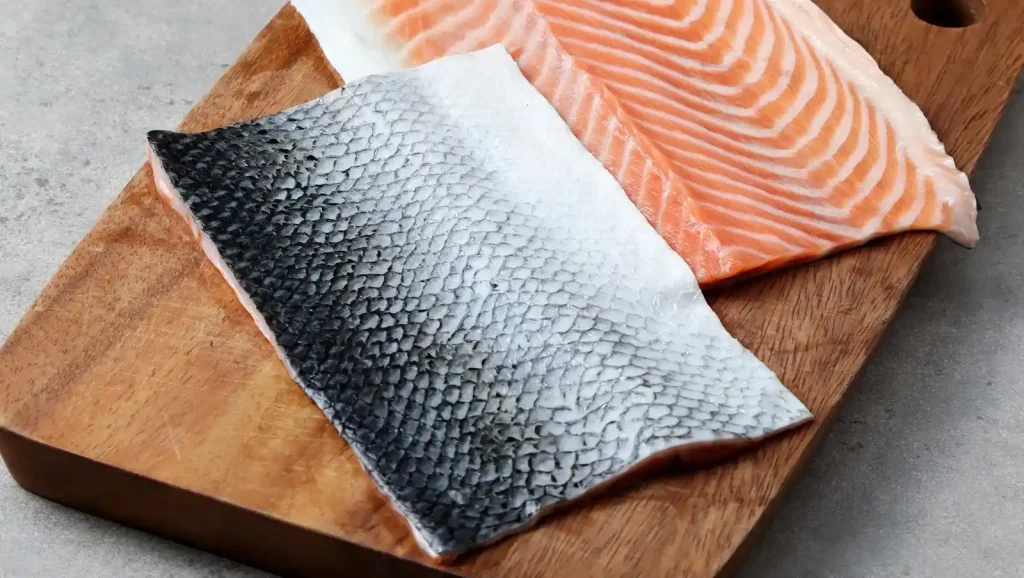
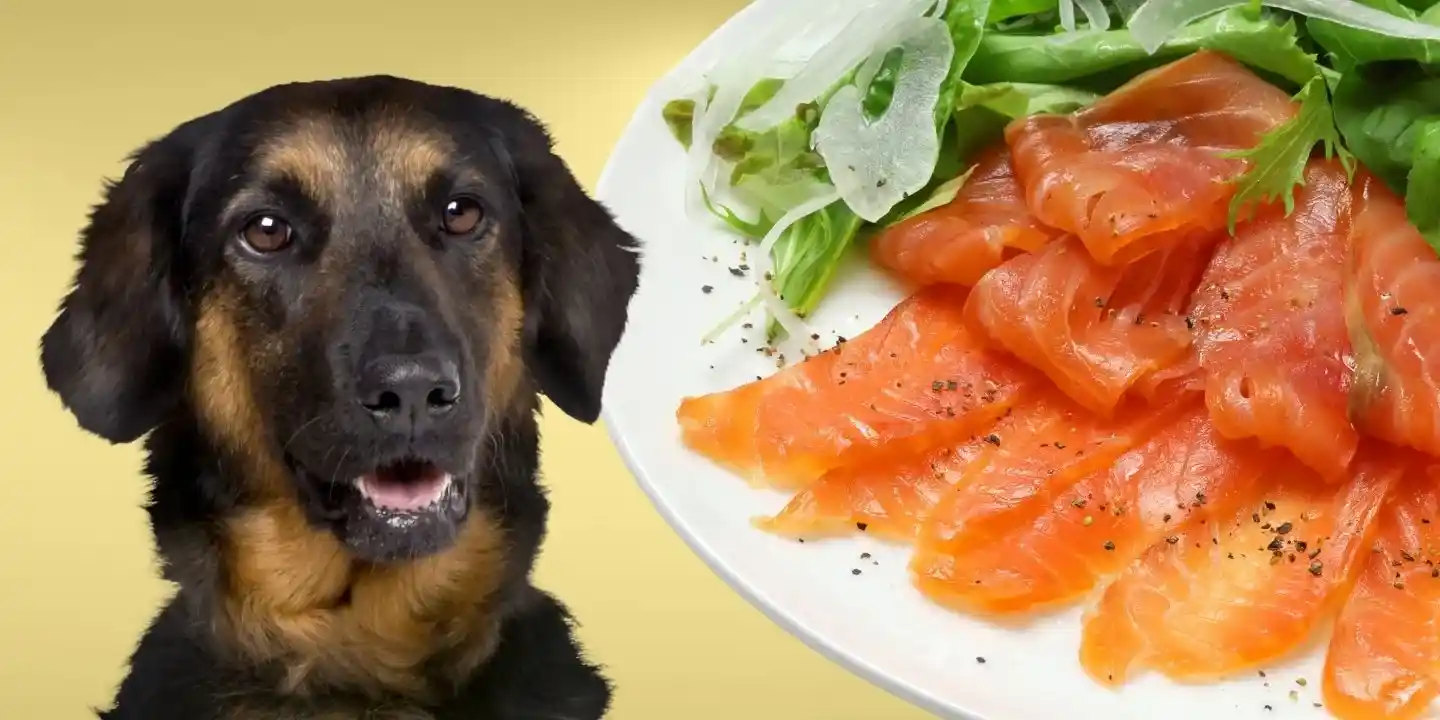
I get why you’re asking can dogs eat salmon skin. It feels like a healthy, omega-rich treat, but one wrong detail like seasoning, bones, or raw fish can turn “a bite” into a vet visit. Here’s the answer upfront: plain, fully cooked salmon skin can be okay for some dogs in small amounts, but it’s not a fit for every dog. I’ll show you exactly how I decide when it’s safe.
Yes, dogs can sometimes eat salmon skin, but only under the right conditions. When I think about salmon skin for a dog, I treat it like a “high-reward, higher-risk” treat. The skin is fatty, and fat is where many dogs get into trouble.
Here’s what makes it safer:
Here’s what makes it risky:
If you only remember one rule, remember this: I’d rather give a dog a small piece of plain cooked salmon meat than a big piece of salmon skin. The skin is the “extra,” not the main event.
It depends. Salmon skin has real nutritional upside, but the fat content changes the risk-benefit equation.
Salmon skin can provide:
But here’s the thing: the same fat that carries omega-3s can also trigger stomach upset in sensitive dogs.
| What’s In Salmon Skin | Potential Upside | Main Risk |
|---|---|---|
| Omega-3 fats | Coat and skin support | Too much fat for some dogs |
| Protein | Helps maintain muscle | Not needed if diet already complete |
| High calories | Useful for hard-keepers | Weight gain if overfed |
My practical take: If your dog is healthy and lean, salmon skin can be an occasional treat. If your dog gains weight easily or has a history of GI issues, I’d choose a leaner fish option or a controlled supplement instead.
Yes, properly cooked salmon skin is generally safer than raw, because cooking reduces the risk of parasites and many bacteria. Still, “cooked” does not automatically mean “safe,” especially if the skin was cooked like human food.
I consider these the safest cooking approaches:
Buyer Beware (Read This): If the skin was cooked with garlic, onion, chives, heavy salt, butter, or spicy rubs, I do not feed it to a dog. Even if a dog “seems fine,” it’s an unnecessary gamble.
| Dog Size | First Try Portion | Frequency |
|---|---|---|
| Small | 1 to 2 small pieces | 1 time per week max |
| Medium | 2 to 4 small pieces | 1 time per week max |
| Large | 4 to 6 small pieces | 1 time per week max |
If I’m preparing salmon skin for a dog, I do it like a safety checklist, not a recipe.
Step-by-step method I follow:
What this looks like in practice: I treat it like introducing any new treat. One small test first, then I watch for digestive changes.
It depends on the dog. Dogs can digest animal fats, but not all dogs handle higher-fat foods well.
Signs your dog is not digesting salmon skin well:
Dogs more likely to struggle:
Expert Tip: When I want the omega benefits without the fatty skin, I switch to a controlled option like salmon oil or a measured fish treat.
No, I do not recommend feeding raw salmon to dogs in a typical home setting. Raw salmon can carry parasites and harmful bacteria. There is also a serious regional illness called salmon poisoning disease, which has been associated with dogs eating raw salmonids in certain areas.
Important clarifications I keep in mind:
If your dog already ate raw salmon, I don’t panic, but I do watch closely and call a vet if symptoms show up.
No. I avoid feeding salmon bones to dogs.
Here’s why:
If I’m serving salmon at all, I:
Some dogs should avoid salmon, salmon skin, or fish treats entirely, even if another dog could tolerate them.
Situations where I avoid salmon skin:
| Situation | My Default Choice | Why |
|---|---|---|
| Healthy adult dog | Small test piece | Most tolerate tiny portions |
| Overweight dog | Skip | Too calorie-dense |
| Pancreatitis history | Avoid | High-fat trigger risk |
| Sensitive stomach | Skip or micro-dose | Higher chance of GI upset |
| On meds | Vet first | Diet can affect treatment |
Branching Quiz (Choose Your Path):
Yes, dogs can eat some fish skins, but the same rules apply: plain, fully cooked, and appropriately portioned is the safest baseline.
What changes between fish skins is mainly:
| Fish Skin Type | Typical Fat Level | Best Use |
|---|---|---|
| Salmon skin | Higher | Tiny treats, not daily chews |
| Cod skin | Lower | Dehydrated chew option |
| Haddock skin | Lower | Single-ingredient treats |
| Sardine skin | Varies | Small training treats |
What to look for: I prefer skins that are single-ingredient and not coated in flavors.
Examples I see dog owners use more safely include cod and haddock skin, especially when dehydrated into a chew.
When I pick a commercial fish skin treat, I check:
Selling Point: If you want a safer chew that still supports omega intake, consider our vet-approved natural fish skin treats designed for clean ingredients and consistent chew texture.
Yes, dogs can eat cooked salmon when it’s plain and boneless. Cooked salmon meat is often easier to fit into a dog’s diet than the skin because it is usually less fatty per bite.
When I serve cooked salmon, I do this:
If my dog is sensitive to fat, I remove the skin entirely and give only a small flake of the meat.
Common Mistake I See: People share salmon from their plate. That salmon is often salted or cooked in butter. I keep “dog salmon” separate from “people salmon.”
Yes, salmon meal can be a good ingredient in dog food. Salmon meal is salmon that has been cooked and dried, then ground into a concentrated protein source.
What I like about salmon meal:
What I watch for:
Yes, dogs can sometimes eat canned salmon, but I choose it carefully.
What I look for:
If sodium is unclear, I rinse the salmon under water and drain it well, then serve a tiny portion.
Buyer Beware: Canned fish can still contain small bones. I flake it slowly and inspect before serving.
It depends. Puppies can sometimes have salmon, but I introduce it more cautiously because their digestive systems are still developing and their nutrition needs are strict.
If I’m considering salmon for a puppy:
My rule: The smaller the puppy, the smaller the experiment.
If I want omega-3 support with less fat risk than salmon skin, I consider:
Selling Point: If you want a safer way to build salmon-based nutrition into your dog’s routine, consider our tailored canine nutrition plans. I can help you match omega support to your dog’s age, weight, and health history.
Fact-Check Box (Editor Help):
No, there is no way to make salmon skin “zero risk.” Even plain cooked skin can cause stomach upset in some dogs because it’s fatty. The safest approach I use is a tiny test piece, then I monitor stool and appetite for a full day. If your dog has a history of pancreatitis or GI issues, I avoid it or ask a veterinarian first.
The best methods are baking or air frying with no oil and no seasoning. I avoid pan-frying because it usually adds grease and makes portion control harder. After cooking, I cool it fully and cut it into small pieces to reduce choking risk. If the skin was cooked with garlic, onion, or heavy salt, I skip it.