Daily Pet Answers

Can Dogs Eat Seaweed: What Happens If A Dog Is Obsessed With Seaweed

Your dog just ate seaweed and you are panicking. I have been there with my own Labrador at the beach. The wrong type can cause vomiting, salt poisoning, or worse. In this guide I share what I learned from vets and real cases so you know exactly which seaweed is safe, how much to feed, and when to call the vet.

can dogs eat seaweed

Read Time: 7 minutes

Share

Author

Cathy Rosenthal

Key Takeaways

  • Plain, unseasoned seaweed can be safe in tiny amounts, but salted or flavored varieties are risky.
  • Wild beach seaweed is unsafe due to pollution, bacteria, and saltwater ingestion.
  • Iodine overload is the main long-term risk, so seaweed should never be a daily staple.
  • Oil, garlic, onion, and spices in human snacks make them unsafe for dogs.
  • Watch for vomiting, diarrhea, lethargy, or swelling and call your vet if symptoms persist.
  • Prevent beach scavenging with training and a leash, not punishment.
  • Always consult your veterinarian before adding seaweed supplements.

Table of Contents

Can Dogs Eat Seaweed

Yes, dogs can eat plain, unseasoned seaweed in very small amounts. I learned this after consulting with a veterinary nutritionist when my dog started stealing nori from the counter.

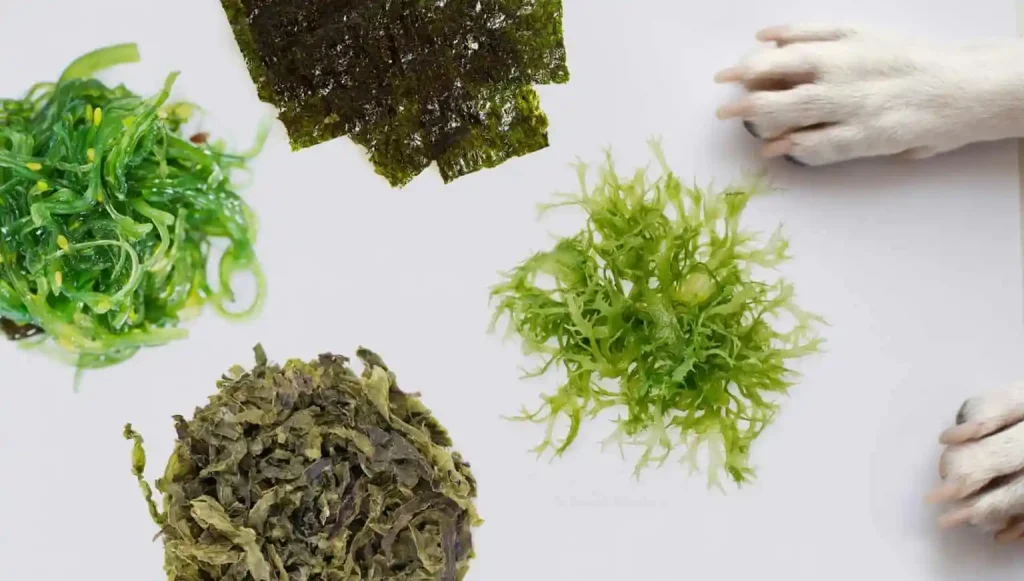
The key is moderation and sourcing. Edible marine algae like nori, kelp, and dulse contain iodine, iron, magnesium, and antioxidants that can support skin, coat, and thyroid function. But these benefits only apply to clean, commercial products made for pets or plain food-grade seaweed with no added salt, oil, or flavorings.

Here is the thing: processed snack seaweed and wild beach seaweed are not the same as a controlled supplement. Human snacks often contain salt, sesame oil, garlic powder, or onion. Wild seaweed may contain heavy metals, pollutants, sand, and bacteria from decomposing matter.

Expert Tip: If you want the benefits without the risk, choose pet-specific seaweed powders with clear labeling and feeding guidelines.

Is Seaweed Toxic To Dogs

Seaweed itself is not toxic, but contamination makes it dangerous. The biggest risks I see in practice are heavy metals like arsenic and lead in seaweed from polluted waters, bacteria in decomposing wild seaweed, excess iodine that disrupts thyroid function, and salt poisoning from beach-dried seaweed.

If your dog ate wild seaweed and shows vomiting, diarrhea, loss of appetite, or weakness, call your veterinarian. Seek emergency care immediately for swelling in the abdomen, repeated vomiting, or signs of salt toxicity like excessive thirst, tremors, or confusion. The VCA Hospitals guide lists these as red-flag symptoms.

Is Seaweed Good For Dogs

Seaweed can offer functional benefits when used correctly. It provides natural iodine for thyroid support, polysaccharides that act as prebiotics, and antioxidants that help with skin and coat health. Compared to synthetic supplements, whole seaweed offers a broader nutrient profile.

But the real question is how much benefit your dog actually needs. Most balanced commercial dog foods already meet iodine requirements. Extra seaweed is optional, not essential. Exaggerated claims like “cures allergies” are not supported by evidence. I treat seaweed as a targeted supplement, not a miracle food.

Can Dogs Eat Seaweed With Salt

No. Salted seaweed is unsafe for dogs. I never feed it because dogs tolerate far less sodium than people.

Extra salt causes dehydration, increased blood pressure, and electrolyte imbalance. In severe cases, salt poisoning leads to vomiting, tremors, seizures, and can be fatal.

Fact-check: Salt poisoning in dogs occurs at 2-3 grams per kilogram of body weight.

Seasoned sheets, roasted snacks, and flavored nori almost always contain salt. Even “lightly salted” versions exceed safe levels for small dogs. The ASPCA toxin list confirms salt as a common household hazard.

Buyer Beware: Sea salt is still salt. Do not assume it is safer than table salt.

Can Dogs Eat Seaweed Snacks

Human seaweed snacks are not pet-safe. In my experience, most contain salt, soy sauce, garlic or onion powder, sesame oil, and spices.

Garlic and onion are toxic to dogs even in small amounts. Oils add unnecessary fat and can trigger pancreatitis.

If you want to share, buy snacks made for dogs. Read ingredient labels carefully. The list should show one ingredient: seaweed. If you see anything else, skip it.

Image Suggestion: Plain nori sheets vs seasoned snack package | Alt Text: Comparison of safe plain seaweed and unsafe seasoned seaweed snacks for dogs

can dogs eat seaweed

Can Dogs Eat Roasted Seaweed

Plain roasted seaweed without oil or salt can be acceptable in tiny amounts. Roasting makes it crisp and easier to break into small pieces. That reduces choking risk compared to tough dried sheets.

The problem is most roasted seaweed is coated in oil and seasoned for flavor. Oil increases fat intake and can trigger pancreatitis in sensitive dogs. Flavored varieties add salt, garlic, or spices.

So what does this look like in practice? If the package says “roasted seaweed” and nothing else, you can offer a small piece as an occasional treat. If it says “roasted with sesame oil,” do not feed it.

Can Dogs Eat Dried Seaweed

Dried seaweed can be safe if it is plain and given in very small, broken-up pieces. The drying process concentrates nutrients, including iodine. That is good in moderation and risky in excess.

Large, tough pieces pose a choking hazard and can expand in the stomach. I always break dried seaweed into flakes and mix it with food. Make sure your dog has access to fresh water because dried marine plants absorb moisture.

Can Dogs Eat Wild Seaweed

No. Wild seaweed from beaches or lakes is unsafe. I stop my dog from eating it every time we visit the coast.

It may contain pollutants, bacteria from decay, excess salt, sand that causes blockage, and toxins from algae blooms. Dogs that scavenge beach seaweed also ingest saltwater, which causes vomiting and dehydration.

Beach Safety Checklist:

  • Keep your dog leashed near seaweed lines
  • Practice a solid “leave it” cue before visiting
  • Bring fresh water and high-value treats for redirection
  • Check tide pools for hidden seaweed

Table 1: Wild Seaweed vs Commercial Seaweed

FeatureWild Beach SeaweedCommercial Pet Seaweed
Contamination riskHighLow with proper sourcing
Salt contentVery highNone
BacteriaLikelyMinimal
Safe for dogsNoYes, small amounts

Find Quality Pet Accessories Your Pets Will Love. Shop Now.

What Happens If A Dog Eats Seaweed

Mild symptoms include soft stool, gas, or one-time vomiting, especially if the dog is not used to seaweed. These usually resolve within 24 hours if the amount was small and the seaweed was plain.

More serious symptoms require veterinary care: repeated vomiting, lethargy, excessive thirst, abdominal swelling, tremors, or confusion.

I tell owners to take a photo of the packaging or seaweed type. That helps the vet assess risk quickly.

Can Seaweed Upset A Dog Stomach

Yes, especially in sensitive breeds. Seaweed is high in fiber. A sudden increase causes gas and loose stool.

I introduce any new food gradually. Start with a tiny amount mixed into regular food. Watch for changes for 48 hours before offering more.

Can Seaweed Cause Seizures In Dogs

Seizures are rare but possible. They usually result from salt poisoning, not seaweed itself. Excess sodium disrupts electrolyte balance and affects the nervous system.

If your dog shows tremors or seizures after eating seaweed, seek emergency veterinary care immediately.

can dogs eat seaweed

Why Is My Dog Obsessed With Seaweed

Dogs are attracted to seaweed because of its strong smell, chewy texture, and the novelty of beach finds. Beach play reinforces the behavior. Your dog finds seaweed, you chase them, and the game continues.

The idea that dogs instinctively seek minerals is a myth. There is no evidence they crave iodine. The obsession is behavioral, not nutritional. Training and management solve it better than adding seaweed to the diet.

How Much Seaweed Can Dogs Eat

Seaweed should be a supplement, not a staple. Exact amounts depend on the dog’s size, the product’s iodine concentration, and the overall diet.

Quick Safety Quiz: Should I Feed This Seaweed?
Question 1: Does the package list only seaweed as ingredient?

  • Yes: Go to Question 2
  • No: Do not feed. It likely contains salt or garlic.

Question 2: Is it labeled for pets with feeding guidelines?

  • Yes: Safe in tiny amounts. Check weight chart below.
  • No: Use caution and consult your vet first.

Table 2: General Serving Guidance by Weight

Dog WeightSuggested AmountFrequency
Under 20 lbsPinch (less than 1/8 tsp)2 times per week max
20 to 50 lbs1/8 to 1/4 tsp2 to 3 times per week
Over 50 lbs1/4 to 1/2 tsp3 times per week max

Nutritional Value Of Seaweed

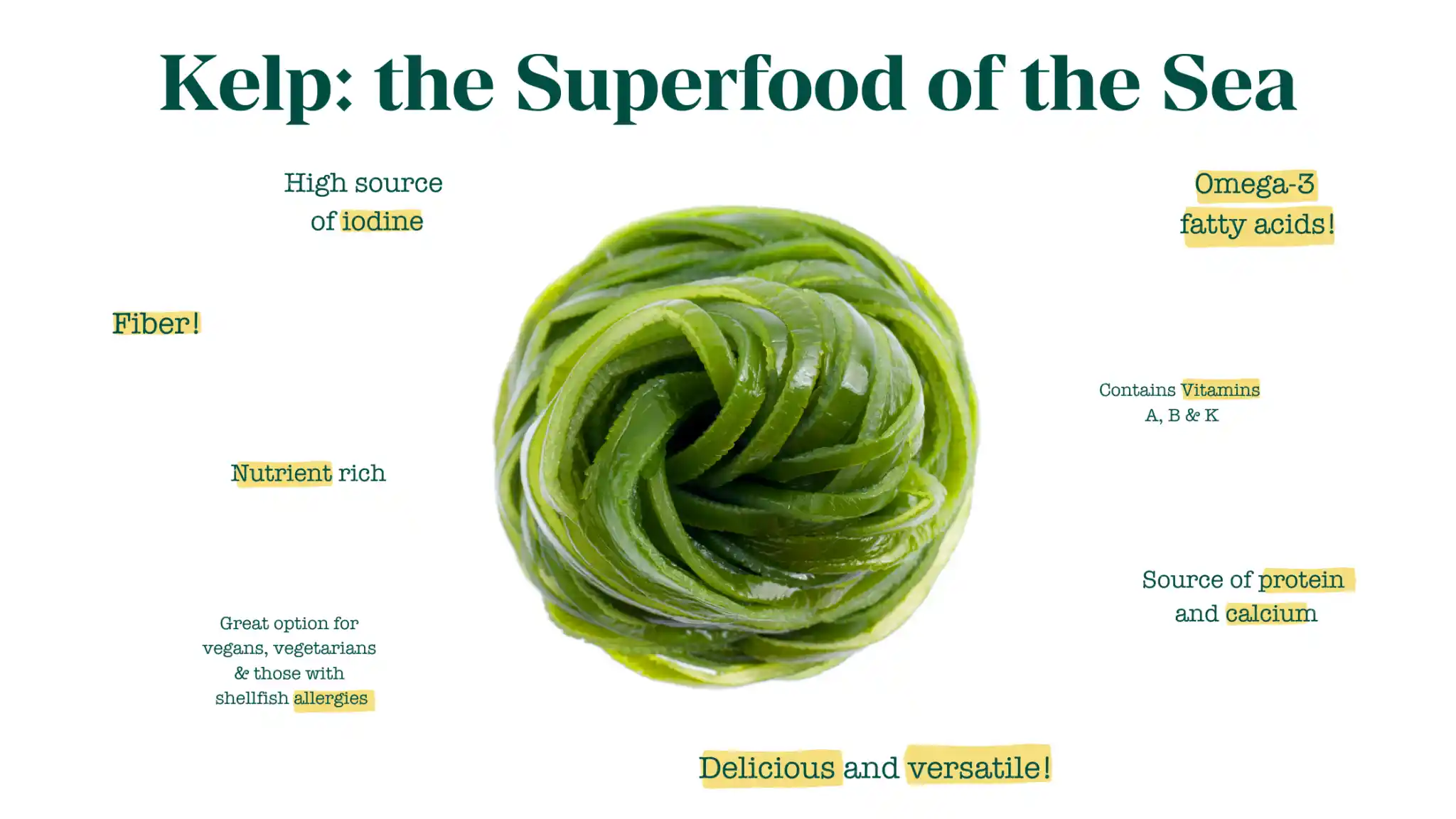
Seaweed contains iodine, iron, magnesium, potassium, and antioxidants. Marine polysaccharides support gut bacteria and may improve digestion.

Consensus: Veterinarians agree seaweed offers nutritional benefits but warn that most commercial dog foods already provide adequate iodine. Supplementation should be vet-guided.

Statement: Seaweed is one of the richest natural sources of iodine.
Statistic: According to PubMed iodine study, kelp contains significantly more iodine than land plants.
Analysis: That is why portion control matters. Even small excess can affect thyroid hormone production over time.

PetMD seaweed safety confirms these benefits apply only to unseasoned products.

Table 3: Iodine Content by Species

SpeciesIodine LevelTypical Use
NoriLowSafest for occasional treats
Ascophyllum nodosumModerateDental support
Laminaria digitataVery highUse only with vet guidance
 

Shop Pet Accessories Trusted by Real Pet Owners Everywhere.

can dogs eat seaweed

Seaweed Species For Dogs

Common species used in pet supplements include Ascophyllum nodosum and Laminaria digitata. Ascophyllum nodosum is often used for dental support because its compounds may reduce plaque. Laminaria digitata is higher in iodine and used more cautiously.

Species identification matters. Not all brown, red, or green algaes are equal. Only feed products that clearly list the species and sourcing. Avoid foraged seaweed unless identified by an expert.

Table 4: Species Comparison for Pet Use

SpeciesBenefitsRisks
Ascophyllum nodosumDental health, moderate iodineNone at proper dose
DulseGeneral nutrition, lower iodineMinimal
LaminariaHigh iodine supplementThyroid suppression if overfed
 

Frequently Asked Questions About Can Dogs Eat Seaweed

Can Dogs Eat Seaweed And Is It Healthy?

Dogs can eat plain, unseasoned seaweed in very small amounts. It can be healthy as an occasional supplement for iodine and antioxidants, but it is not necessary for dogs on balanced diets. Avoid salted, flavored, or wild seaweed.

How Much Seaweed Can Dogs Eat Safely?

Only tiny amounts, and not every day. The exact safe amount depends on the dog’s size and the product’s iodine content. 

Select the fields to be shown. Others will be hidden. Drag and drop to rearrange the order.
  • Image
  • SKU
  • Rating
  • Price
  • Stock
  • Availability
  • Add to cart
  • Description
  • Content
  • Weight
  • Dimensions
  • Additional information
Click outside to hide the comparison bar
Compare