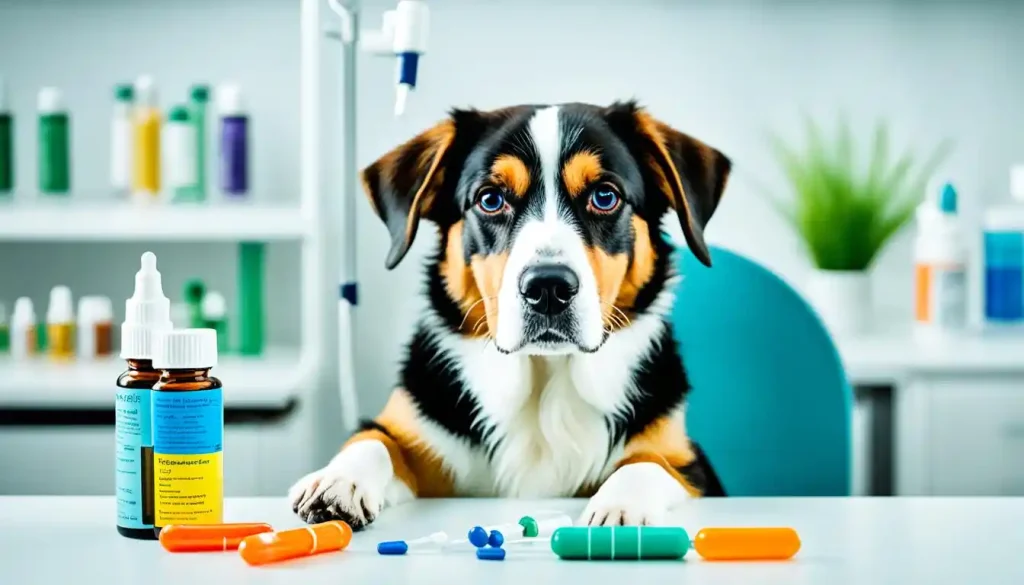
Can Dogs Have Baby Aspirin For Pain Relief?
Yes, dogs can technically have baby aspirin for pain relief, but it is not the safest or most effective option available today. It is effective at reducing inflammation and dulling mild pain. It is accessible and inexpensive, which is why it remains a topic of interest for many dog owners.
Effectiveness for pain. Baby aspirin is most effective for mild to moderate pain. It is not strong enough for severe pain associated with broken bones or post-surgical recovery. It takes time to build up in the system and provide relief, so it is not an instant fix for acute injuries.
Common conditions treated. Historically, baby aspirin was used for:
Osteoarthritis: Helping older dogs move with less stiffness.
Musculoskeletal injuries: Sprains or strains from activity.
Inflammation: Swelling caused by minor trauma.
Despite its ability to treat these issues, the risks often outweigh the benefits. There are safer drugs that target pain without stripping away the stomach’s protective lining.
Is Baby Aspirin Safe For Dogs?
It is doubtful that baby aspirin is completely safe for all dogs, as safety depends entirely on the dosage, the dog’s health history, and the duration of use. While it is not instantly fatal in correct small doses, it carries a high risk of adverse reactions compared to veterinary-specific drugs.
Expert opinions. Most veterinarians advise against using baby aspirin without a direct prescription. According to the American Veterinary Medical Association (AVMA), human NSAIDs are one of the top causes of pet poisoning. The difference in metabolism between humans and dogs is vast. Dogs metabolize aspirin much slower than humans do, meaning the drug stays in their system longer and can build up to toxic levels quickly.
Risks for specific breeds. Certain breeds are more sensitive to medications. For example, smaller breeds like Chihuahuas or Yorkies are at much higher risk of overdose because even a single 81mg tablet might be too high for their body weight. Additionally, breeds with a history of bleeding disorders, such as Dobermans, should strictly avoid aspirin.
You must also consider the coating on the pill. Some baby aspirin has an enteric coating designed to protect human stomachs. In dogs, this coating may not dissolve until it reaches the intestines, or it may not dissolve at all, leading to inconsistent absorption.
Can You Give A Dog Baby Aspirin For A Limp?
You should not give a dog baby aspirin for a limp until you know the cause of the injury. Masking the pain can actually be dangerous. If a dog has a minor sprain and you give them pain relief, they may feel well enough to run and jump. This activity can turn a minor injury into a major tear or fracture because the dog’s natural “stop” signal (pain) has been silenced.
Consulting a vet is critical. A limp could be a sign of a broken bone, a torn ACL, or even bone cancer. Aspirin will not fix these issues; it will only hide the symptom. Furthermore, if your vet needs to prescribe a stronger, safer pain medication (like a steroid or a vet-approved NSAID), they cannot do so if aspirin is already in the dog’s system. You would have to wait for a “washout period” of 7 to 10 days to avoid a fatal drug interaction.
What Are The Side Effects Of Baby Aspirin For Dogs?
The side effects of baby aspirin for dogs primarily involve the gastrointestinal tract and the kidneys. Because aspirin blocks protective prostaglandins, the stomach lining becomes vulnerable to the acid it produces. This is the most common and immediate risk.
Common side effects include:
Stomach Upset: Your dog may drool, refuse to eat, or act nauseous.
Ulcers: These can develop quickly and may not be obvious until they bleed.
Vomiting: This is often the first sign that the body is rejecting the medication.
Black, Tarry Stools: This indicates digested blood from internal bleeding.
Recognizing side effects early. You must monitor your dog closely after administering any dose. If your dog changes their behavior, becomes clingy, or hides, these are subtle signs of distress. More severe reactions include kidney failure, which presents as increased thirst and urination, followed by a lack of urination.
Monitoring is essential. Never give a dose and leave the house. You need to be present to observe how your dog reacts for at least a few hours.
Can Baby Aspirin Poison Dogs?
Yes, baby aspirin can poison dogs if the dose is too high or if it is given for too long. Aspirin toxicity is a medical emergency. The toxic threshold for dogs is relatively low compared to humans. Chronic toxicity can occur even with correct dosing if the dog’s body cannot eliminate the drug fast enough between doses.
Symptoms of poisoning. The symptoms of aspirin poisoning escalate quickly. It starts with gut irritation but can move to respiratory changes, neurological issues, and organ failure. If you suspect your dog has had too much, do not wait for symptoms to appear.
Find Quality Pet Accessories Your Pets Will Love. Shop Now.
What Are The Signs Of Aspirin Overdose In Dogs?
The signs of aspirin overdose in dogs are distinct and require immediate veterinary attention. Detecting these signs early can make the difference between recovery and permanent damage or death.
Key signs of overdose:
Rapid Breathing: The dog may pant heavily even when resting.
Lethargy: Extreme tiredness or an inability to stand.
Seizures: In severe cases, the toxicity affects the brain.
Pale Gums: This suggests internal bleeding or shock.
Guidance for suspected overdose.
If you see these signs, call your vet or an emergency animal hospital immediately. They may instruct you to induce vomiting if the ingestion was recent, but you should never do this without professional instruction.
Table 1: Side Effects vs. Emergency Signs
| Mild Side Effects (Stop Use & Call Vet) | Emergency Signs (Go to Hospital) |
| Loss of appetite | Black, tarry stools (Melena) |
| Mild lethargy | Vomiting blood (looks like coffee grounds) |
| Loose stool | Collapse or inability to stand |
| Drooling | Seizures or tremors |
| Whining due to upset stomach | Pale or blue gums |
How Much Baby Aspirin Can I Give My Dog?
The amount of baby aspirin you can give your dog typically ranges from 5mg to 10mg per pound of body weight, given once every 12 hours. However, this is a general guideline and not a prescription. Many veterinarians prefer a lower end of that spectrum to reduce the risk of ulcers.
Dosage calculation.
A standard baby aspirin is 81mg.
For a 10-pound dog, a 5mg/lb dose would be 50mg. This is less than one tablet.
For a 50-pound dog, a 5mg/lb dose would be 250mg. This is roughly three tablets.
Importance of veterinary consultation.
You should never guess the weight or the dose. An overdose can happen easily with small dogs. Furthermore, dosing frequency matters. Because aspirin lasts longer in a dog’s body, giving it every 4 or 6 hours (like humans do) will lead to toxicity.
Table 2: General Dosage Estimates (For Reference Only)
| Dog Weight | Estimated Dose (Low End) | Tablet Equivalent (81mg pills) |
| 10 lbs | 50 mg | 1/2 tablet (approx) |
| 20 lbs | 100 mg | 1 tablet + 1/4 |
| 40 lbs | 200 mg | 2.5 tablets |
| 60 lbs | 300 mg | 3.5 tablets |
| 80 lbs | 400 mg | 5 tablets |
Alternatives To Baby Aspirin For Dogs: Safer Options
There are many alternatives to baby aspirin for dogs that offer safer and more effective pain relief. Modern veterinary medicine has moved away from human NSAIDs because the risks are simply too high when better options exist.
Veterinary NSAIDs.
Drugs like Carprofen (Rimadyl), Deracoxib (Deramaxx), and Firocoxib (Previcox) are engineered for dogs. They are safer for the liver and kidneys and have a lower risk of causing ulcers when used correctly. These require a prescription but are the gold standard for treating arthritis and injury pain.
Natural alternatives.
If you want to avoid pharmaceuticals, natural supplements can help manage chronic pain. Glucosamine and Chondroitin are excellent for joint support. Omega-3 fatty acids (fish oil) act as natural anti-inflammatories. These do not work as fast as aspirin, but they are safe for long-term use.
What Are Safer Pain Relief Options For Dogs?
The safest pain relief options for dogs are those approved by the FDA specifically for animal use. These medications are tested rigorously to ensure they are effective for canine biology.
Top vet-approved options:
Galliprant: A newer NSAID that targets a different pain receptor, making it much safer for the kidneys and gut.
Gabapentin: Often used for nerve pain and works well in combination with other meds.
CBD Oil: While research is ongoing, many owners report success with high-quality CBD products for inflammation and anxiety.
Can Dogs Use Rimadyl Instead Of Baby Aspirin?
Yes, dogs can use Rimadyl instead of baby aspirin, and it is generally the preferred choice for veterinarians. Rimadyl (Carprofen) is designed to target inflammation while sparing some of the “good” prostaglandins that protect the stomach.
Effectiveness comparison.
Rimadyl is more potent than aspirin. It provides stronger pain relief for conditions like osteoarthritis and hip dysplasia. Because it is formulated for dogs, the dosing is more accurate, and it often comes in chewable tablets that dogs eat like treats.
Why Rimadyl is better.
The risk of bleeding ulcers is significantly lower with Rimadyl than with aspirin. While Rimadyl still has side effects (mainly liver related), regular blood work can monitor this risk effectively. Aspirin’s side effects are more unpredictable and harder to manage.
Table 3: Baby Aspirin vs. Rimadyl
| Feature | Baby Aspirin | Rimadyl (Carprofen) |
| Target Species | Humans | Dogs |
| Safety Profile | Low (High risk of ulcers) | High (FDA Approved for dogs) |
| Pain Relief | Mild | Moderate to Severe |
| Prescription | OTC | Required |
| Risk of Bleeding | High (Blood thinner) | Low |
Is Baby Aspirin Effective For Dogs With Arthritis?
Baby aspirin is effective for dogs with arthritis to a limited degree, but it is not a good long-term solution. Arthritis is a chronic condition, meaning the dog needs daily or frequent pain relief. Using aspirin daily destroys the stomach lining over time.
Limitations of long-term use.
You might see your dog moving better for the first few days of aspirin use. However, as the drug builds up, your dog may start vomiting or losing their appetite. This forces you to stop the medication, leaving the dog in pain again.
Better arthritis management.
For arthritis, a multi-modal approach is best. This includes weight management, physical therapy, joint supplements, and a dog-specific NSAID prescribed by a vet. This combination manages pain without destroying the dog’s digestive system.
Shop Pet Accessories Trusted by Real Pet Owners Everywhere.
When Should You Avoid Giving Your Dog Baby Aspirin?
You should avoid giving your dog baby aspirin if they have any pre-existing health conditions related to the kidneys, liver, or blood. Aspirin is metabolized by the liver and excreted by the kidneys. If these organs are struggling, the drug stays in the body and causes toxicity.
Pregnancy and nursing.
Aspirin can cause birth defects and issues with the mother’s blood clotting during birth. It should never be given to pregnant or nursing dogs.
Drug interactions.
If your dog is taking steroids (like Prednisone) or other NSAIDs, giving aspirin is dangerous. The combination massively increases the risk of stomach perforation. Always tell your vet every supplement or drug your dog is taking.
What Conditions Should Baby Aspirin Not Be Used For In Dogs?
There are specific medical conditions where baby aspirin is absolutely contraindicated. Giving aspirin to a dog with these issues can be fatal.
Contraindicated conditions:
Von Willebrand’s Disease: A bleeding disorder where blood doesn’t clot. Aspirin worsens this.
Stomach Ulcers: Existing ulcers will rupture if aspirin is introduced.
Renal Disease: Dogs with kidney issues cannot process the drug.
Liver Failure: The liver cannot break down the aspirin, leading to rapid poisoning.
Table 4: Who Should Avoid Aspirin?
| Condition / Scenario | Reason to Avoid Aspirin |
| Puppies | Organs are not fully developed to process drugs. |
| Pregnant Dogs | Risk of bleeding and birth defects. |
| Dogs on Steroids | High risk of fatal stomach rupture. |
| Surgery Candidates | Aspirin thins blood, complicating surgery. |
| Kidney Disease | Reduced ability to filter toxins. |
What Should You Do If Your Dog Eats Baby Aspirin By Accident?
If your dog eats baby aspirin by accident, you must act immediately. Do not wait for symptoms to appear. The faster you act, the better the prognosis.
Steps to take:
Remove the bottle: Ensure the dog cannot eat more.
Assess the amount: Estimate how many pills were missing.
Check the weight: Know your dog’s current weight.
Call for help: Contact your veterinarian or the ASPCA Animal Poison Control Center immediately.
Emergency care.
The vet may tell you to induce vomiting using hydrogen peroxide, but do not do this unless instructed. They may also administer activated charcoal at the clinic to absorb the toxin. In severe cases, your dog may need IV fluids and hospitalization to protect their kidneys.

 Sed porttitor diam mi tempus suscipit dolor
Qty: 1$150.00
Sed porttitor diam mi tempus suscipit dolor
Qty: 1$150.00 Senean a turpis fermentum, accumsan urna a
Qty: 1$115.00
Senean a turpis fermentum, accumsan urna a
Qty: 1$115.00