
Can Dogs Eat Sardines Canned Water Olive Tomato Raw With Bones
I know the panic of wondering if a human snack is safe for your dog. You want to provide a nutritional boost, but one wrong ingredient in a can of sardines could lead to a costly vet visit. The risk of salt toxicity or garlic poisoning is real. In this guide, I will show you exactly how to pick the safest sardines and how to feed them without risking your dog’s health.


Key Takeaways
- Plain sardines in water are the safest and most nutritious choice.
- Avoid tomato sauce varieties due to toxic garlic and onion powder.
- Canned bones are soft and safe, providing a natural calcium source.
- Limit portions to 10% of daily calories to avoid pancreatitis.
Table of Contents
Can Dogs Eat Sardines
I can tell you with confidence that yes, dogs can eat sardines. In my experience, they are one of the most potent natural supplements you can add to a canine diet. However, the safety of the fish depends entirely on how it was processed and packed. If the sardines are plain, they are a powerhouse of health. If they are seasoned, they can be dangerous.
I believe it is important to understand that sardines are not just “safe”—they are often therapeutic. When I look at the nutritional profile of a sardine, I see a concentrated source of protein and healthy fats that can transform a dull coat into a shiny one. But you must follow strict guidelines on the packing medium to avoid health complications.
In the following sections, I will break down the chemistry of different canning methods. I will also help you determine if your dog’s specific medical history makes sardines a risky choice.
Are Sardines Good For Dogs?
I consider sardines a “superfood” because they are rich in Omega-3 fatty acids, specifically EPA and DHA. These fats are not just for the skin; they work at a cellular level to reduce systemic inflammation. This is why I often suggest them for dogs struggling with joint pain or chronic allergies.
Another major advantage is the mercury level. Unlike tuna, which is a large predator that accumulates heavy metals, sardines are small and low on the food chain. This means you can feed them more frequently without worrying about heavy metal toxicity.
However, I must warn you: the high fat content is a double-edged sword. For a healthy dog, these fats are fuel. For a dog with a sensitive pancreas, they can be a trigger for inflammation. I always recommend a slow introduction to ensure the digestive system can handle the richness.


Can Dogs Eat Canned Sardines?
Canned sardines are the most convenient option, but they are also where most owners make mistakes. I have seen too many people grab a “convenience can” only to realize it is loaded with sodium. High sodium levels can cause hypertension and kidney strain in dogs.
When I inspect a can, I look for the “No Salt Added” label. Standard canned fish is often preserved in a brine that is far too salty for a dog’s renal system. I also caution against brands that use soybean oil as a filler, as this can introduce pro-inflammatory Omega-6 fats that counteract the benefits of the Omega-3s.
If you are unsure about a brand, I suggest checking the ingredient list for any words you cannot pronounce. If it contains more than fish and water, I typically advise putting it back on the shelf.
Can Dogs Eat Sardines In Water?
I always recommend sardines packed in water as the gold standard. This is the purest form of the supplement. By removing the oil and the salt, you are giving your dog the protein and the Omega-3s without the unnecessary caloric baggage.
When you choose water-packed, you are avoiding the risk of pancreatitis associated with high-fat oils. I find that this is the safest route for senior dogs or dogs with a history of weight gain. The “no salt added” variant is critical here, as it prevents the dehydration that often follows high-sodium treats.
Buying Tip: Look for cans that list only two ingredients: sardines and water. If “salt” is listed as the second ingredient, it is not the ideal choice for your pet.
Can Dogs Eat Sardines In Olive Oil?
I do not believe olive oil is toxic, but it is calorie-dense. If I am feeding a lean, active dog, a small amount of olive oil is perfectly fine. However, for a sedentary or overweight dog, the added fats can lead to rapid weight gain.
The real danger here is pancreatitis. I have seen cases where a high-fat meal triggered an inflammatory response in the pancreas, leading to severe vomiting and abdominal pain. If your dog has ever had a digestive flare-up, I suggest avoiding oil-packed sardines entirely.
If you only have oil-packed fish, I recommend rinsing the sardines under a cold tap for 30 seconds. This removes the surface oil and reduces the fat content, making the treat slightly safer for your dog’s digestion.
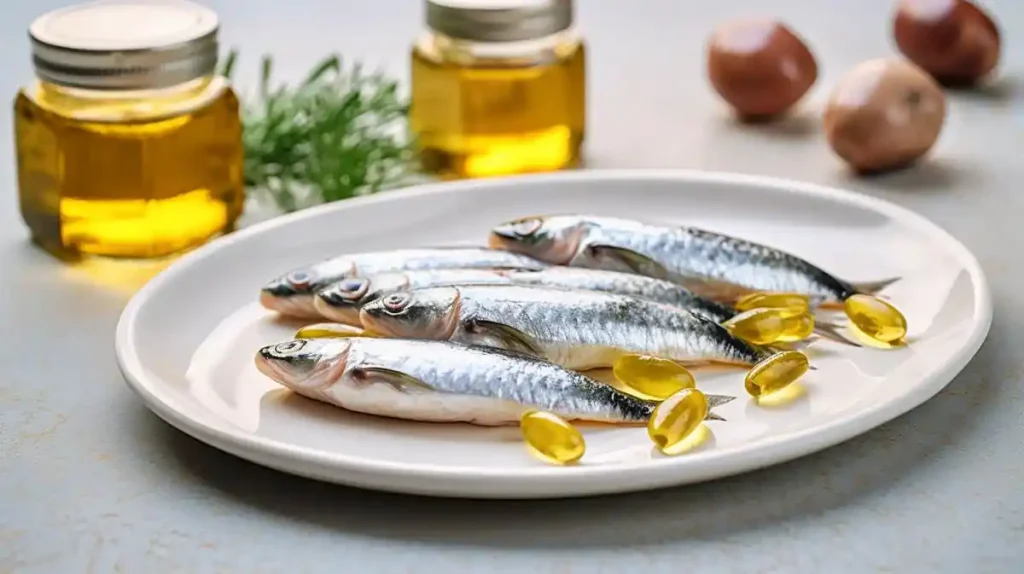
Can Dogs Eat Sardines In Tomato Sauce?
I cannot stress this enough: do not feed your dog sardines in tomato sauce. This is where the “safe” fish becomes a hazard. The sauce is not just tomatoes; it is a cocktail of seasonings that are often toxic to canines.
Most tomato-based canning sauces include garlic and onion powder. These ingredients contain thiosulphates, which destroy red blood cells in dogs, potentially leading to hemolytic anemia. Even a small amount can be dangerous for a small breed.
Additionally, these sauces are usually packed with sugar and salt. This combination can lead to immediate gastrointestinal distress. If your dog accidentally eats a piece of sauce-covered fish, I suggest monitoring them for lethargy or pale gums and calling your vet immediately.
Can Dogs Eat Raw Sardines?
I know that many owners are moving toward raw diets, and raw sardines are a popular choice. From a nutritional standpoint, raw fish preserves more of the natural enzymes and vitamins. However, from a safety standpoint, raw fish is a gamble.
The primary risk is parasitic contamination. Raw fish can carry various parasites that can migrate to the dog’s intestines. To mitigate this, I only recommend raw sardines if they have been flash-frozen at temperatures low enough to kill parasites.
If you decide to go the raw route, I suggest sourcing from a reputable “sushi-grade” supplier. However, for the average owner, I believe that lightly steamed or canned sardines in water provide 95% of the benefits with 0% of the parasite risk.
Can Dogs Eat Sardines With Bones?
I often get asked if I should pick out the bones. My answer is no. Unlike the bones of a chicken or a large fish, sardine bones are tiny and soft.
In the canning process, the heat and pressure soften the bones until they are almost a paste. This makes them completely safe to swallow and digest. In fact, I view these bones as a bonus, as they provide a natural source of calcium and phosphorus that supports bone health.
The only time I worry about bones is if the fish is extremely large or if the dog is a “gulper” who swallows everything whole. In those cases, I suggest mashing the fish with a fork to ensure there are no large chunks that could cause a temporary blockage.


Can Puppies Eat Sardines?
I believe puppies can benefit from sardines, but you must be far more cautious. A puppy’s digestive system is like a sponge—it absorbs everything, but it also reacts violently to rich foods.
When I introduce sardines to a puppy, I use a 3-Day Transition Plan:
- Day 1: A piece the size of a pea. Observe the stool.
- Day 2: Half a sardine. Observe for gas or itching.
- Day 3: One full sardine.
Puppies also have much smaller caloric needs. I remind owners that one sardine for a toy breed puppy is like a huge burger for a human. It can easily disrupt their balanced puppy food intake.
How Many Sardines Can I Give My Dog?
I always tell my readers to follow the 10% treat rule. No more than 10% of your dog’s daily calories should come from treats. If you overfeed sardines, you risk nutrient imbalances and obesity.
To make this practical, I have created a guide based on average weights.
Sardine Portion Guide by Dog Size
| Dog Size | Weight Range | Weekly Limit | Max Daily Portion |
|---|---|---|---|
| Small | 5-20 lbs | 1-2 fish | 1/4 fish |
| Medium | 21-50 lbs | 3-5 fish | 1/2 fish |
| Large | 51-90 lbs | 6-8 fish | 1 fish |
| Giant | 91+ lbs | 10+ fish | 2 fish |
How to calculate the 10% rule:
If your dog needs 1000 calories a day, only 100 calories should come from treats. One sardine in water is roughly 50-70 calories. Therefore, one fish uses up most of their treat budget for the day.
How Often Can Dogs Eat Sardines?
In my experience, feeding sardines 2 to 3 times per week is the sweet spot. This provides enough Omega-3s to support the skin and joints without overloading the dog with fat.
I do not recommend daily feeding unless a vet has prescribed it for a specific condition, such as severe dermatitis. Too much fish oil can actually interfere with blood clotting, which can be dangerous if your dog needs emergency surgery.
Signs of overfeeding include:
- Stools becoming greasy or loose.
- An overly oily coat that feels “sticky.”
- Persistent “fishy” breath.
What Are The Benefits Of Sardines For Dogs?
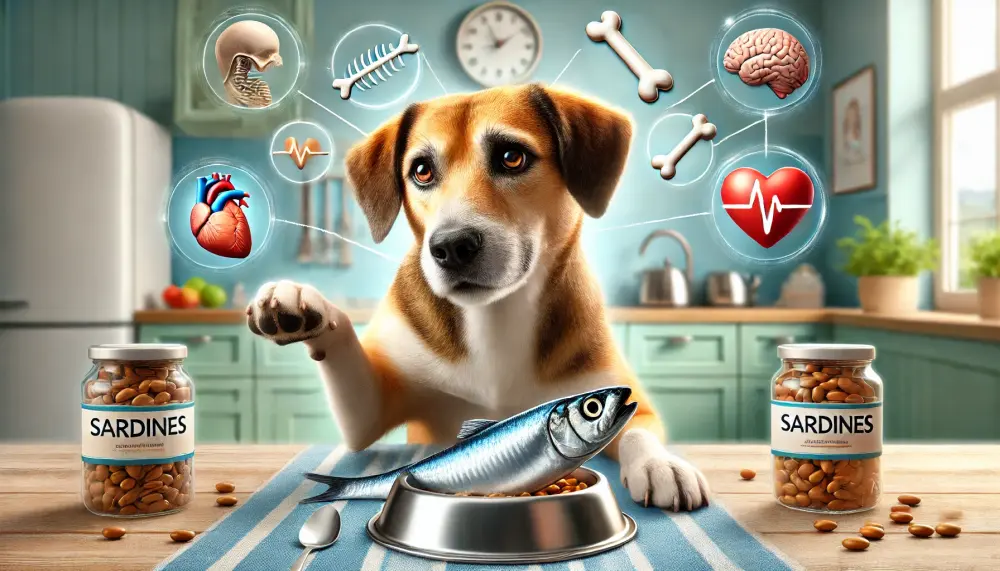
I view sardines as a natural anti-inflammatory. The high concentration of EPA and DHA Omega-3s helps “lubricate” the joints and reduce the production of inflammatory cytokines. This is why I see such a difference in senior dogs who eat them regularly.
Beyond the joints, sardines support cognitive function. DHA is a primary structural component of the brain. I believe this makes them an excellent supplement for aging dogs showing signs of canine cognitive dysfunction (dog dementia).
They also provide Vitamin B12 and Vitamin D, which are essential for energy metabolism and calcium absorption. When you combine these, you get a supplement that supports the heart, brain, and skin all at once.
Can Sardines Make Dogs Sick?
Yes, they can. I have seen dogs react poorly to sardines, usually due to one of three reasons: fat intolerance, sodium sensitivity, or allergies.
If your dog is allergic to fish, they will show signs of an allergic reaction:
- Intense itching or licking of the paws.
- Hives or redness on the belly.
- Swelling around the face.
If the reaction is gastrointestinal, you will see vomiting or diarrhea. If the fish contained garlic or onion, you might see lethargy. I suggest keeping a Post-Feeding Observation Log for the first week: check the stool consistency, the skin’s oiliness, and the dog’s energy levels.
What Kind of Sardines Are Best For Dogs?
I believe the best sardine is the one with the fewest ingredients. I have put together a comparison to help you choose the right fish for your dog’s specific needs.
Fish Comparison Logic
| Fish Type | Omega-3 Level | Mercury Risk | Safety Rating | Best For |
|---|---|---|---|---|
| Sardines (Water) | Very High | Very Low | Excellent | All Dogs |
| Salmon (Fresh) | High | Low | Good | Active Dogs |
| Tuna (Canned) | Medium | Moderate | Fair | Occasional Treat |
| Mackerel | High | Low | Good | Adult Dogs |
The “Red Flag” Label Checklist
I suggest scanning your labels for these specific “Red Flag” words. If you see them, avoid the product:
- Carrageenan: A thickener that can cause gut inflammation.
- Xylitol: An artificial sweetener that is deadly to dogs.
- Sodium Benzoate: A preservative that can cause stomach upset.
- Soybean Oil: High in Omega-6, which can increase inflammation.
Shop Pet Accessories Trusted by Real Pet Owners Everywhere.


How Should You Serve Sardines To Dogs Safely?
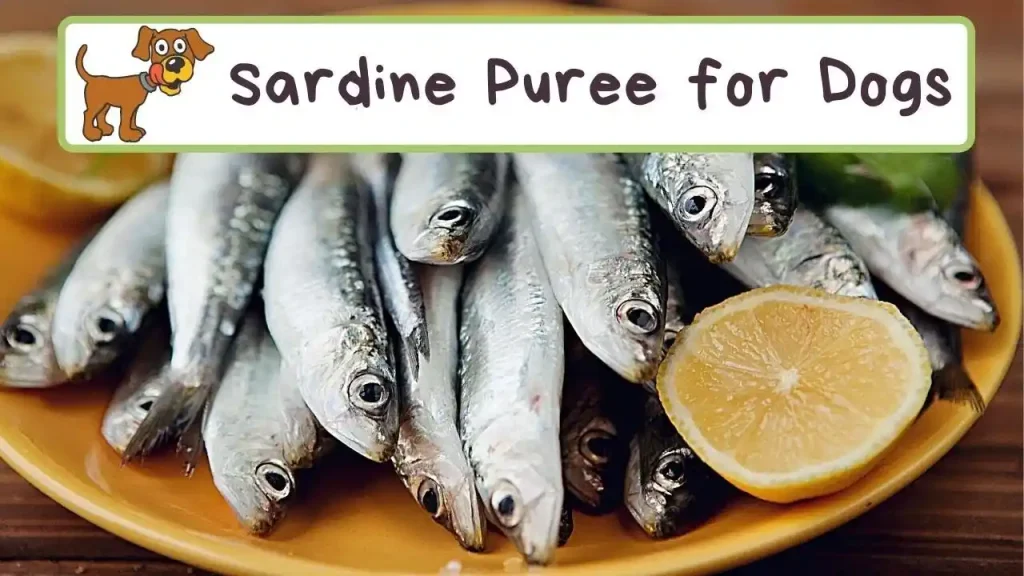
I recommend serving sardines as a “topper” rather than a standalone snack. By mixing a mashed sardine into their regular kibble, you ensure they still get their balanced vitamins while enjoying the flavor of the fish.
For dogs who are picky eaters, I suggest warming the sardine slightly in a pan (without oil). The heat releases the aroma, which often triggers a dog’s appetite.
Storage Warning: Once you open a can, the fish begins to oxidize. I suggest transferring leftovers to a glass jar with a tight lid and using them within 48 hours. If the fish smells “sour” or “off,” throw it away immediately.
Consensus and Authoritative Summary
Based on the consensus of veterinary nutritionists and organizations like the AVMA, fish oil and small oily fish are recommended for managing inflammation and skin health. However, the overarching professional agreement is that supplements should never replace a balanced AAFCO-approved diet. All experts agree that “plain” is the only safe way to feed human-grade canned fish to pets.
Frequently Asked Questions About Can Dogs Eat Sardines
Can Dogs Eat Sardines Safely As Part Of Their Diet?
Yes, I can safely include sardines in my dog’s diet when I choose plain varieties and serve them in moderation. The safest option is sardines packed in water with no added salt or seasoning. I treat sardines as a supplement, not a main meal, and keep them within about 10% of my dog’s daily food intake. If my dog has a health condition like pancreatitis or kidney issues, I check with a veterinarian before adding them.
How Many Sardines Can I Give My Dog Based On Its Size?
I adjust portions based on my dog’s weight and overall diet. As a simple guide, small dogs (under 20 lbs) can have about half a sardine, medium dogs (20–50 lbs) can have one sardine, and larger dogs can have one to two sardines per serving. I usually offer them a few times per week rather than daily. If I’m introducing sardines for the first time, I start with a smaller amount and watch for any digestive issues before increasing the portion.