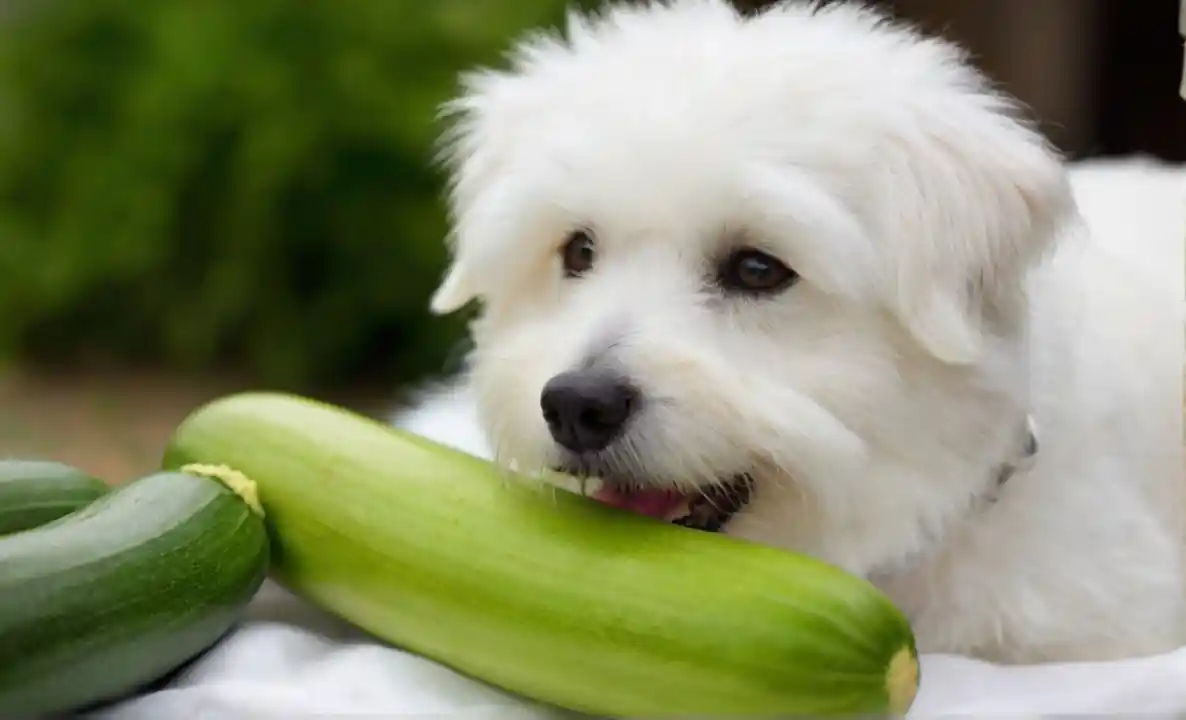
I know exactly how it feels when you’re prepping a healthy meal and your dog is staring at you with those “please share” eyes. You see a fresh zucchini on your cutting board and wonder: is this a healthy treat or a trip to the emergency vet? I have researched the nutritional science to help you navigate this safely.
Yes, most dogs can safely eat zucchini. In my experience, it is one of the most versatile, low-calorie vegetables you can add to a canine diet. When served plain—meaning no salt, no oil, and no spices—it provides excellent fiber and hydration.
However, there is a “but.” While zucchini is beneficial for weight management and digestion, it can cause gastrointestinal upset if fed in excess or if it is prepared with human seasonings. I always recommend starting with a tiny piece to ensure your dog’s stomach handles the fiber well.
Zucchini is a nutritional powerhouse for your pet. It is packed with Vitamin A, Vitamin C, and Vitamin K, which support immune function and bone health.
The primary benefits include:
While generally safe, we must respect the biological limits of our dogs. The biggest risk is not the vegetable itself, but overfeeding and improper preparation.
If you feed too much zucchini at once, the high fiber content can lead to diarrhea or loose stools. Furthermore, if you are feeding a dog with a history of pancreatitis, the fat content in “prepared” zucchini (like fried or buttery versions) could trigger a medical crisis.
Watch for these signs of intolerance:
I often get asked if the skin should be peeled off. The short answer is:Â it depends on your dog’s sensitivity.
The skin contains most of the zucchini’s fiber and many of its nutrients. For a healthy adult dog, the skin is perfectly safe and even beneficial. However, for dogs with very sensitive stomachs or elderly dogs with slower digestion, the skin can be slightly harder to break down.
Safety Tip: If you decide to serve the skin, you must wash the zucchini thoroughly. Pesticide residue is a real concern with commercially grown squash. I recommend using a vegetable brush to ensure you are removing any chemical buildup before slicing.
For most dogs, the seeds are a non-issue. In young, tender zucchini, the seeds are soft and easily digestible.
However, there are two exceptions:
My recommendation:Â If you are feeding a puppy or a small breed, I suggest slicing the zucchini lengthwise and scooping out the seed center to be safe.
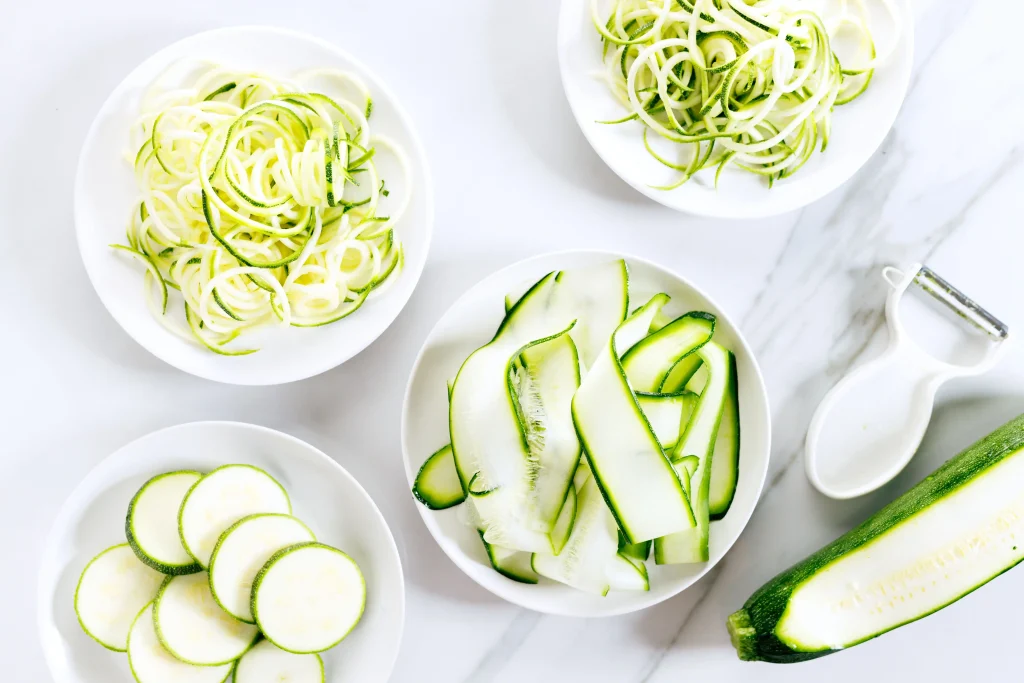
Yes, raw zucchini is safe for most dogs. In fact, many owners prefer raw slices because they provide a satisfying “crunch” that mimics a treat.
But be careful with texture.
Always ensure the zucchini is firm and fresh. If the raw zucchini feels mushy or has a strange odor, toss it out.
I strongly advise against giving your dog zucchini bread. While the vegetable itself is healthy, “human” zucchini bread is a nutritional minefield for pets.
The problem lies in the added ingredients. Most recipes include sugar, butter, and flour, which are not ideal for canine health. More dangerously, many recipes use ingredients that are toxic to dogs, such as:
If you want to give your dog the flavor of zucchini bread, I recommend making a “dog-safe” version at home using oats, mashed zucchini, and no sweeteners.
Cooking zucchini is an excellent way to make it easier for your dog to digest. Steaming or boiling is the gold standard here.
The Golden Rule of Cooking:Â Keep it plain.
Do not add:
| Preparation Method | Digestion Ease | Nutrient Retention | Best For |
|---|---|---|---|
| Raw | Moderate | Very High | Healthy Adult Dogs |
| Steamed | High | High | Sensitive Stomachs |
| Boiled | Very High | Moderate | Senior Dogs |
No, please avoid feeding fried zucchini to your dog.
Fried foods are loaded with oils and fats. When a dog consumes highly greasy foods, it can cause significant pancreatic stress. Pancreatitis is a painful and potentially life-threatening condition that is often triggered by sudden increases in dietary fat.
If your dog loves the “crunch” of fried food, try offering a dehydrated vegetable slice or a crunchy, low-calorie dog treat instead.
Zucchini is actually a type of summer squash, so they are very similar nutritionally. Whether you are serving zucchini, yellow squash, or even butternut squash, the general safety rules remain the same.
When mixing different types of squash, keep an eye on the total volume. Too much variety at once can overwhelm a dog’s digestive system.
Yes, yellow zucchini is just as safe as green zucchini. The color difference is primarily due to different varieties of the same plant species. The nutritional profile is nearly identical, providing the same fiber and vitamin benefits. You can serve yellow zucchini to your dog just as you would the green variety.
Zucchini can be an incredible tool for reward-based training. Because it is so low in calories, you can offer many small pieces without worrying about your dog’s weight.
How to use it for training:
If you are introducing zucchini for the first time, follow this simple 3-Step Introduction Protocol:
Portion Guide by Weight:
| Dog Weight | Recommended Daily Max (Slices) |
|---|---|
| 5-10 lbs | 1-2 small slices |
| 20-40 lbs | 3-5 small slices |
| 50-70 lbs | 1/2 cup diced |
| 80+ lbs | 1 cup diced |
French Bulldogs, like many brachycephalic (flat-faced) breeds, have unique digestive considerations. They can be prone to gas and bloating.
While zucchini is safe, portion control is even more critical for Frenchies. Because they can be prone to obesity, using zucchini as a low-calorie treat is a brilliant move. However, always monitor their stools closely, as their sensitive GI tracts can react more quickly to new fiber sources.
Yes, but with extreme caution. Puppies have developing digestive systems that are much more sensitive than adult dogs.
When feeding zucchini to a puppy:
Question 1: How is the zucchini prepared?
Question 2: What is your dog’s size?
Question 3: Is your dog currently overweight?
Generally, yes. If the zucchini is plain and served in moderation, the risks are very low. The only “risk” is digestive upset if you provide too much fiber at once.
It is potentially dangerous. Because of ingredients like sugar, butter, and potentially toxic spices like nutmeg or xylitol, you should never share human zucchini bread with your dog.