
-
 Pellentesque scelerisque ex id mauris convallis aliquam
Qty: 1$100.00
Pellentesque scelerisque ex id mauris convallis aliquam
Qty: 1$100.00 -
Nunc nibh elit, mollis nec ornare vel elit
Qty: 1$30.00
-
Pellentesque scelerisque ex id mauris convallis aliquam
Qty: 1$100.00
-
Nunc nibh elit, mollis nec ornare vel elit
Qty: 1$30.00
Can Dogs Eat Fish: Salmon, Fried, Bones, Raw Fish Is Healthy
Fish can be a nutritious addition to your dog’s diet when prepared correctly. The difference between a healthy meal and a veterinary emergency comes down to three factors: fish selection, preparation method, and portion control. This guide covers exactly which fish your dog can safely eat, which to avoid, and how to prepare fish that supports rather than compromises your dog’s health.


Key Takeaways
- Most dogs can safely eat properly cooked, deboned fish in moderation
- Raw fish poses serious parasite and bacterial risks, especially salmon in Pacific coastal regions
- Large predatory fish like swordfish contain dangerous mercury levels
- Small, low-mercury fish like sardines and salmon offer excellent omega-3 benefits
- Always consult your veterinarian before introducing new proteins
- Watch for allergic reactions when introducing fish for the first time
- Fish should complement a balanced diet, not replace complete dog food
- Never feed fish bones to dogs regardless of size
Table of Contents
Can Dogs Eat Fish
Yes, most healthy dogs can eat fish safely when properly prepared. Fish provides high-quality protein and essential fatty acids that many commercial dog foods lack in sufficient quantities.
Preparation makes all the difference. Plain, thoroughly cooked fish with all bones removed is generally safe. Problems start when owners share fish prepared for human consumption—seasoned, fried, or served with bones intact.
According to the American Kennel Club, fish is an excellent protein source that can benefit dogs when introduced properly. The most common concerns include choking on bones, mercury poisoning, and digestive upset. These risks are manageable with proper precautions.
Fish Safety Decision Framework:
Before feeding any fish to your dog, answer these three questions:
| Question | Safe Answer | Unsafe Answer |
|---|---|---|
| Is the fish fully cooked? | Yes, 145°F internal temp | Raw or undercooked |
| Are all bones removed? | Yes, completely deboned | Any bones present |
| Is it plain and unseasoned? | Yes, no additives | Contains salt, garlic, butter |
If all three answers fall in the “Safe” column, the fish is likely appropriate for your dog.
Can Dogs Eat Fish Every Day
Daily fish feeding is not recommended for most dogs. While fish offers excellent nutritional benefits, feeding it every day creates problems over time.
The primary concern is nutrient imbalance. Dogs require a specific calcium-to-phosphorus ratio that fish alone cannot provide. Even low-mercury fish accumulate trace toxins when consumed daily over extended periods.
| Feeding Frequency | Recommendation | Best For |
|---|---|---|
| Daily | Not recommended | Only under veterinary supervision |
| 2-3 times weekly | Appropriate | Dogs needing omega-3 support |
| Once weekly | Safe | General health maintenance |
| Occasional treat | Ideal starting point | Dogs new to fish |
Exception: Dogs with specific skin conditions or inflammatory issues may benefit from more frequent fish consumption under veterinary guidance.


Can Dogs Eat Cooked Fish
Cooked fish is significantly safer than raw fish. Cooking destroys parasites and harmful bacteria that cause serious illness.
The best cooking methods include baking, steaming, boiling, and poaching. These techniques require no added fats or seasonings.
Safe Preparation Steps:
- Cook fish to internal temperature of 145°F (63°C)
- Remove all bones including small pin bones
- Let fish cool to room temperature
- Serve plain with no salt, garlic, onion, or butter
- Cut into appropriate-sized pieces
Weight-Based Portion Guide:
| Dog Weight | Maximum Fish Portion | Frequency |
|---|---|---|
| 5-10 lbs | 0.5 ounce | 1-2x weekly |
| 11-20 lbs | 1 ounce | 1-2x weekly |
| 21-40 lbs | 2 ounces | 2-3x weekly |
| 41-60 lbs | 3 ounces | 2-3x weekly |
| 61-80 lbs | 3.5 ounces | 2-3x weekly |
| 80+ lbs | 4 ounces | 2-3x weekly |
Is Fish Healthy For Dogs
Fish offers several nutritional benefits supporting canine health. The protein is highly digestible, and omega-3 fatty acid content surpasses most other protein sources.
Primary Nutrients in Fish:
Omega-3 Fatty Acids (EPA and DHA): Support skin health, coat shine, joint function, and cognitive performance. According to veterinary research, omega-3 supplementation shows measurable improvement in dogs with inflammatory conditions.
High-Quality Protein: Contains all essential amino acids for muscle maintenance and immune function.
Vitamins and Minerals: Provides vitamin D, vitamin B12, selenium, and phosphorus in bioavailable forms.
Veterinarians frequently recommend fish-based diets for dogs with food sensitivities. Fish serves as a novel protein useful when identifying and managing allergies.
Fish vs Fish Oil Comparison:
| Factor | Whole Fish | Fish Oil Supplement |
|---|---|---|
| Omega-3 delivery | Natural, with fiber | Concentrated, direct |
| Cost per serving | $0.50-2.00 | $0.10-0.30 |
| Preparation required | Yes, cooking needed | No, ready to serve |
| Additional nutrients | Protein, vitamins | Omega-3 only |
| Storage | Refrigeration needed | Shelf stable |
| Portion control | Requires measuring | Pre-measured doses |
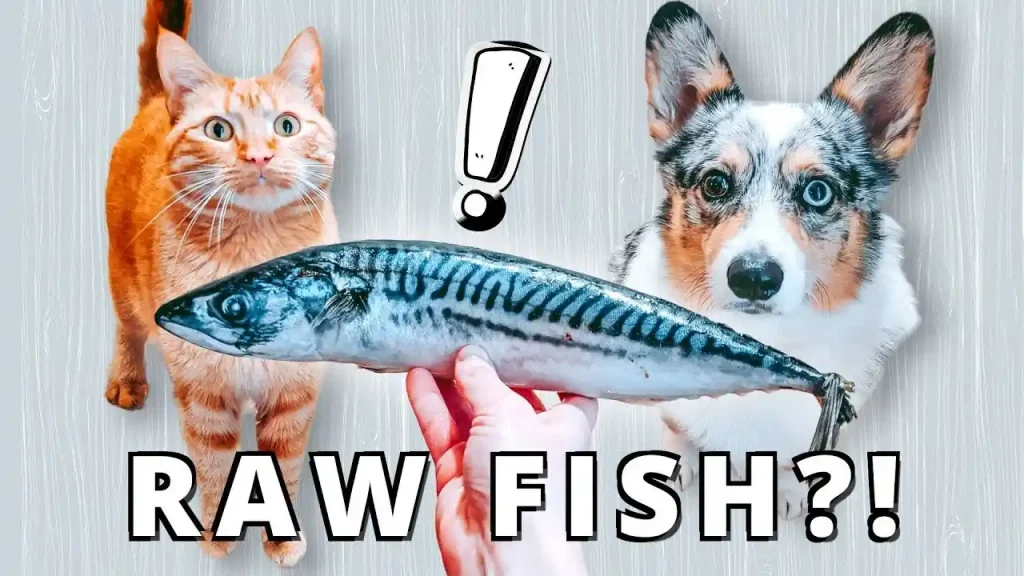
Can Dogs Eat Raw Fish
Raw fish is not recommended for dogs due to serious health risks. Veterinary organizations consistently advise against raw fish specifically.
Primary Dangers:
Parasites: Raw fish harbors parasites causing intestinal infections. Symptoms include vomiting, diarrhea, and weight loss.
Bacterial Contamination: Salmonella and Listeria affect both dogs and humans handling the food.
Thiamine Deficiency: Certain raw fish contain thiaminase, an enzyme destroying thiamine (vitamin B1). Chronic deficiency causes neurological problems including seizures.
Salmon Poisoning Disease: This potentially fatal condition occurs primarily in Pacific coastal regions including Washington, Oregon, Northern California, and parts of Idaho. The Oregon Veterinary Medical Association confirms raw salmon, trout, and steelhead can carry Neorickettsia helminthoeca parasite.
Regional Risk Areas for Salmon Poisoning:
- Washington State (highest risk)
- Oregon
- Northern California
- Idaho (rivers connected to Pacific)
- British Columbia, Canada
Mortality rate exceeds 90% without treatment. Symptoms appear within 6-10 days.
Can Dogs Eat Fried Fish
Fried fish should not be fed to dogs. The cooking method creating crispy, delicious fish for humans creates multiple hazards for canine digestive systems.
Why Fried Fish Is Problematic:
Excess oils and fats trigger pancreatitis—painful pancreas inflammation requiring veterinary treatment. Pancreatitis causes severe abdominal pain, vomiting, and can be life-threatening.
Breading and batter contain garlic powder, onion powder, and excessive salt—all harmful to dogs. Breading absorbs oil during frying, significantly increasing fat content.
Healthier Alternatives: Set aside a plain portion before seasoning and frying. Steam or bake this portion separately for your dog.
Can Dogs Eat Fish Bones
Fish bones are dangerous and should never be fed intentionally. Even small bones cause serious internal injuries.
Risks Include:
- Choking: Bones lodge in throat causing breathing difficulty
- Oral Injury: Sharp fragments puncture gums or tongue
- Internal Perforation: Swallowed bones puncture esophagus, stomach, or intestines
- Intestinal Blockage: Bones accumulate preventing food passage
Warning Signs of Bone-Related Injury:
- Excessive drooling or pawing at mouth
- Gagging or retching
- Refusal to eat
- Visible blood in saliva or stool
- Abdominal pain or bloating
Emergency Protocol If Your Dog Swallowed Fish Bones:
- Do not induce vomiting (can cause additional damage)
- Observe for warning signs listed above
- Contact veterinarian immediately if symptoms appear
- Keep dog calm and restrict activity
- Note approximate bone size and quantity consumed
What Fish Can Dogs Eat
Several fish species are considered safer choices due to lower mercury content.
Safe Fish Options with Mercury Levels:
| Fish Type | Mercury (PPM) | Safety Rating | Key Benefits |
|---|---|---|---|
| Sardines | 0.013 | Excellent | Lowest mercury, soft bones |
| Salmon | 0.022 | Excellent | High omega-3 |
| Pollock | 0.031 | Excellent | Lean, affordable |
| Cod | 0.111 | Good | Lean protein |
| Whitefish | 0.089 | Good | Easily digestible |
| Herring | 0.078 | Good | High omega-3 |
Mercury data sourced from FDA seafood mercury table
Budget-Friendly Options:
- Canned sardines in water: approximately $0.50-1.00 per serving
- Frozen pollock fillets: approximately $0.75 per serving
- Canned salmon: approximately $1.00-1.50 per serving


What Fish Are Poisonous To Dogs
Certain fish pose significant toxicity risks and should be avoided entirely.
High-Mercury Fish to Avoid:
| Fish | Mercury (PPM) | Risk Level |
|---|---|---|
| Swordfish | 0.995 | Dangerous |
| Shark | 0.979 | Dangerous |
| King Mackerel | 0.730 | Dangerous |
| Tilefish | 1.450 | Very Dangerous |
| Bigeye Tuna | 0.689 | Dangerous |
The FDA advises these fish should be avoided entirely for sensitive populations, which includes dogs.
Signs of Fish-Related Toxicity:
- Vomiting and diarrhea
- Loss of coordination
- Tremors or seizures
- Hair loss
- Kidney failure symptoms
Contact ASPCA Animal Poison Control: (888) 426-4435 if you suspect toxic fish consumption.
Can Dogs Eat Goldfish
This question refers to Goldfish crackers or live goldfish.
Goldfish Crackers: Not recommended. High sodium content and artificial ingredients provide no nutritional benefit. Cheese flavoring may cause digestive issues.
Live Goldfish: Not recommended. May carry parasites and offer minimal nutrition.
Better Alternatives: Commercial fish treats, freeze-dried fish, or plain cooked salmon pieces.
Can Dogs Eat Salmon
Salmon is one of the most beneficial fish options when properly prepared. High omega-3 content supports skin health, coat quality, and joint function.
Key Requirements:
- Always cook thoroughly (internal temperature 145°F)
- Never feed raw salmon, especially in Pacific regions
- Remove all bones
- Serve plain without seasonings
Limit salmon to no more than 10% of daily caloric intake.

Can Dogs Eat Sardines
Sardines are often considered the ideal fish for dogs due to small size, low mercury, and soft edible bones.
Benefits:
- Lowest mercury risk among common fish
- Bones provide calcium when soft
- High omega-3 content
- Convenient canned options
Choose canned sardines packed in water without added salt. One small sardine contains approximately 25 calories.
Can Dogs Eat Seafood And What Types Are Safe
Seafood extends beyond fish to include shellfish requiring different considerations.
Generally Safe (When Cooked):
- Shrimp (deveined, shell removed)
- Crab (shell removed)
- Lobster (shell removed)
Higher Risk:
- Raw oysters
- Clams
- Mussels
Start with small portions to monitor for allergic reactions.
Signs Your Dog Is Allergic to Fish:
- Itching or scratching within 30 minutes to 24 hours
- Facial swelling
- Hives or skin redness
- Vomiting or diarrhea
- Difficulty breathing (emergency)
Can Puppies Eat Fish
Puppies can eat fish once transitioned to solid food, typically around eight weeks of age.
Puppy-Specific Considerations:
- Cut fish into very small pieces
- Ensure fully cooked and cooled
- Remove all bones without exception
- Start with tiny portions
- Choose mild fish like whitefish or cod
Shop Pet Accessories Trusted by Real Pet Owners Everywhere.



Can I Give My Dog Fish Oil
Fish oil supplements offer concentrated omega-3 benefits without preparation requirements.
Dosing Guidelines:
General recommendation suggests 20-55mg combined EPA and DHA per pound of body weight. Always confirm with your veterinarian.
Risks of Over-Supplementation:
- Digestive upset
- Weight gain
- Blood clotting effects
Choose products specifically formulated for pets.
Interactive Quiz: Is This Fish Safe For My Dog?
Question 1: How was the fish prepared?
- A) Raw or sushi-grade → Proceed to Result A
- B) Fully cooked (baked, steamed, boiled) → Continue to Question 2
- C) Fried with breading → Proceed to Result B
Question 2: Does the fish contain bones?
- A) Yes, bones present → Proceed to Result C
- B) No, fully deboned → Continue to Question 3
Question 3: What type of fish is it?
- A) Small fish (salmon, sardines, cod, whitefish) → Proceed to Result D
- B) Large predatory fish (swordfish, shark, tuna) → Proceed to Result E
Results:
Result A: Not safe. Raw fish carries parasite and bacterial risks. Cook thoroughly before feeding.
Result B: Not recommended. Fried fish contains excess fats that may cause pancreatitis.
Result C: Dangerous. Remove all bones before feeding to prevent choking or internal injury.
Result D: Safe in moderation. Feed appropriate portion for your dog’s weight.
Result E: Not recommended. Large predatory fish contain high mercury levels.
Frequently Asked Questions About Can Dogs Eat Fish
Can Dogs Eat Fish Without Getting Sick?
Yes, most dogs can eat properly prepared fish without getting sick. The keys are thorough cooking, complete bone removal, and avoiding harmful additives. Start with small portions when introducing fish to monitor for sensitivities.
What Fish Can Dogs Eat Safely And Which Should Be Avoided?
Safe options include salmon, sardines, whitefish, pollock, cod, and herring. Avoid swordfish, shark, king mackerel, tilefish, and raw fish of any kind. Never feed fish with bones or fried preparations.